Victorian vs Edwardian Interiors: How to Tell Them Apart
The key differences between Victorian and Edwardian interiors — colours, ceilings, fireplaces, furniture and pattern — and how to decorate period homes today.
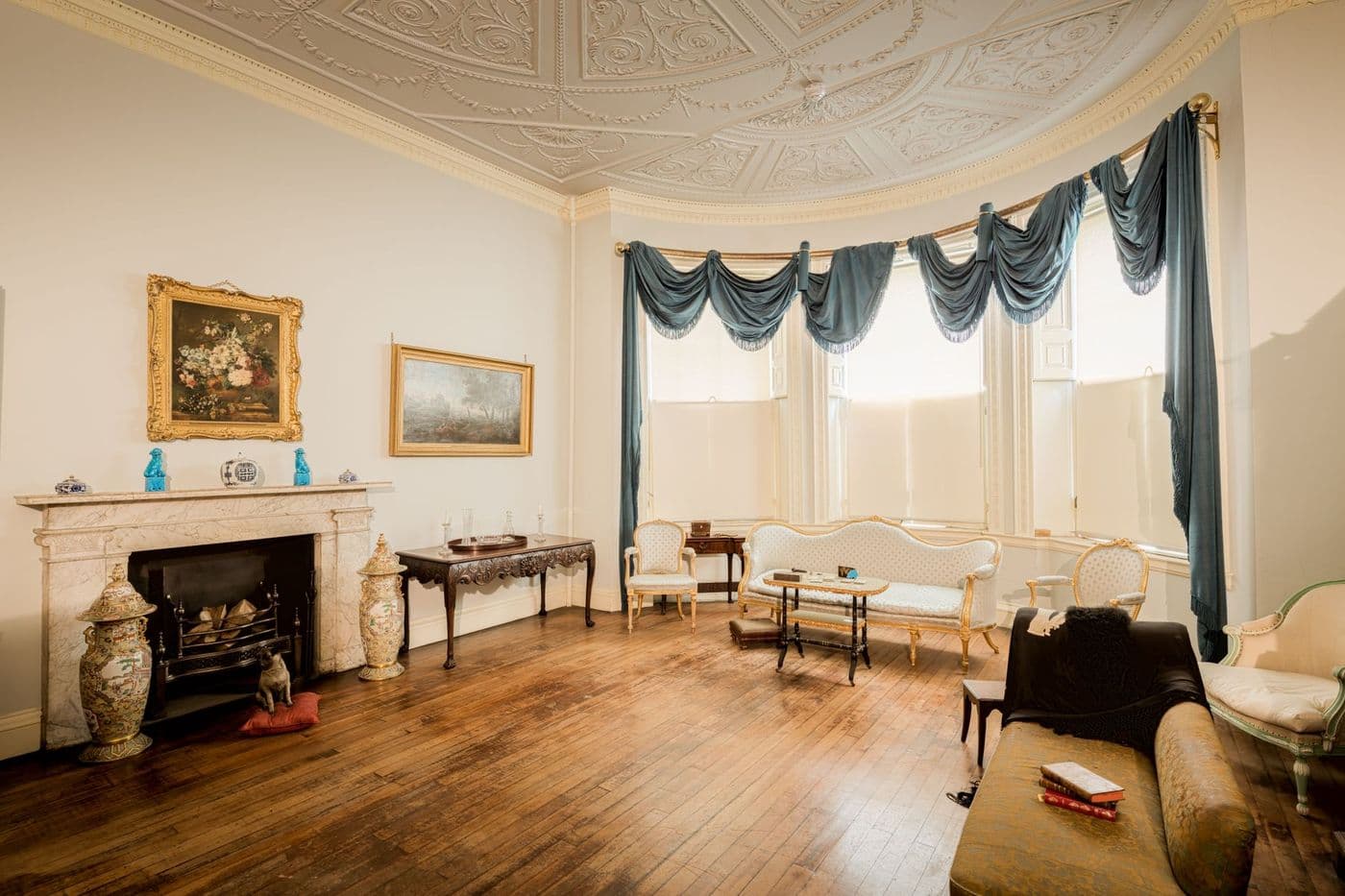
Victorian interiors (1837–1901) are darker and busier: rich colours, heavy fabrics, lots of pattern and ornament, and smaller, more divided rooms. Edwardian interiors (1901–1910, often extended to 1914) are lighter and airier: paler colours, simpler pattern, larger windows, Arts and Crafts and Art Nouveau influences, and a more relaxed, less cluttered feel.
Many British and American period homes are labelled 'Victorian' or 'Edwardian', and the two are often confused. They overlap, but the shift between them is clear once you know where to look: Edwardian taste was a reaction against Victorian heaviness.
Understanding which era your home (or your favourite look) comes from helps you restore original features sympathetically and choose decor that suits the architecture.
The dates and the mood
The Victorian era runs from 1837 to 1901, the reign of Queen Victoria; across those decades styles changed a great deal, from Gothic Revival to Aesthetic Movement. The Edwardian period covers Edward VII's reign, 1901–1910, and is often stretched to the start of the First World War in 1914.
Victorian interiors aimed to display prosperity and respectability. Edwardian interiors put more weight on light, fresh air and comfort.
Colour and pattern
Victorian rooms favoured deep, rich colours — burgundy, bottle green, ochre, dark blue — with patterned wallpaper, dados and borders, and dark-stained woodwork.
Edwardian schemes turned lighter: creams, pale greens, soft blues and lilacs, often with painted white or pale woodwork. Pattern was still used, but more sparingly, frequently with natural motifs from the Arts and Crafts and Art Nouveau movements.
Architecture and features
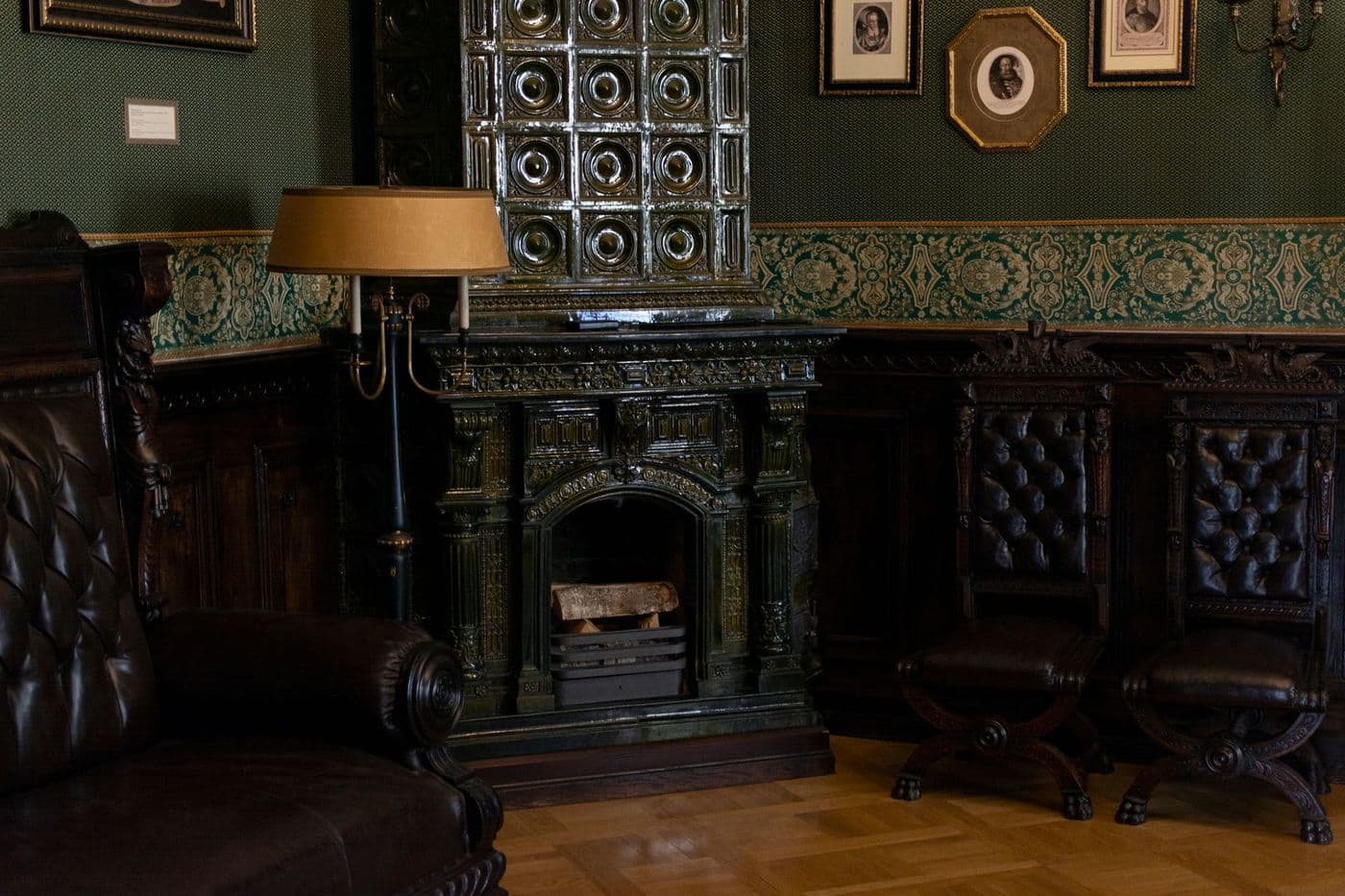
Original features are often the most reliable clue.
- Ceilings: Victorian homes often have elaborate plaster cornices and ceiling roses; Edwardian plasterwork tends to be simpler.
- Fireplaces: Victorian surrounds are often heavy marble or cast iron with decorative tiles; Edwardian fireplaces are lighter, frequently with Art Nouveau tiles and timber surrounds.
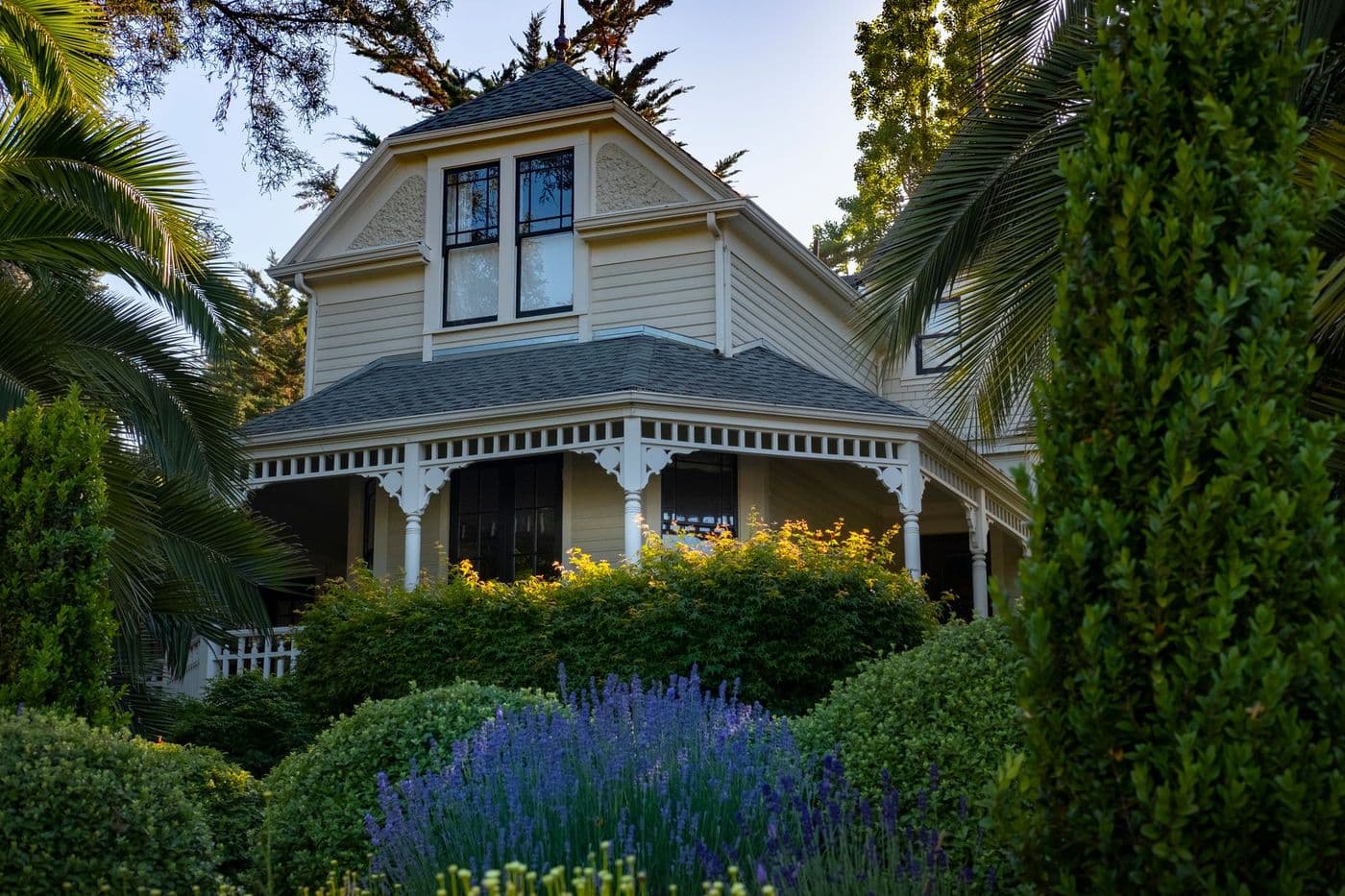
- Windows: Edwardian houses often have larger windows and more glazing, sometimes with stained glass in the upper panes.
- Layout: Edwardian homes typically have wider hallways and more generous, lighter rooms than many Victorian terraces.
Furniture
Victorian furniture is usually heavy and dark — mahogany and rosewood, deep buttoned upholstery, ornate carving and lots of it. Edwardian furniture is lighter in weight and appearance, with satinwood and painted finishes, inlay, slender legs and revived 18th-century styles.
Decorating a period home today
Keep and repair original features first: cornicing, fireplaces, tiled floors, panelled doors and sash windows add character that is hard to replace. Then decorate in the spirit of the era without making the house a museum.
For a Victorian home, a deep accent wall or richly coloured hallway works well with simpler furniture. For an Edwardian home, lean into light, pale colours and natural patterns.
Tip: Before stripping paint from original joinery or fireplaces in older homes, test for lead and use appropriate precautions.
Frequently asked questions
How can I tell if my house is Victorian or Edwardian?
Check the date of construction in property records first. Then look at features: heavier plasterwork and darker, more divided rooms suggest Victorian; larger windows, wider halls and lighter detailing suggest Edwardian.
Is Edwardian style the same as Art Nouveau?
No, but Art Nouveau was one of several influences on Edwardian interiors, along with Arts and Crafts and revived Georgian styles.
What colours suit a Victorian hallway?
Rich, deep colours such as dark green, oxblood or deep blue work well, especially with original encaustic tiles and a lighter colour above a dado rail.
Advertisement
General information only. Check product labels and manufacturer instructions before you start.
Keep reading
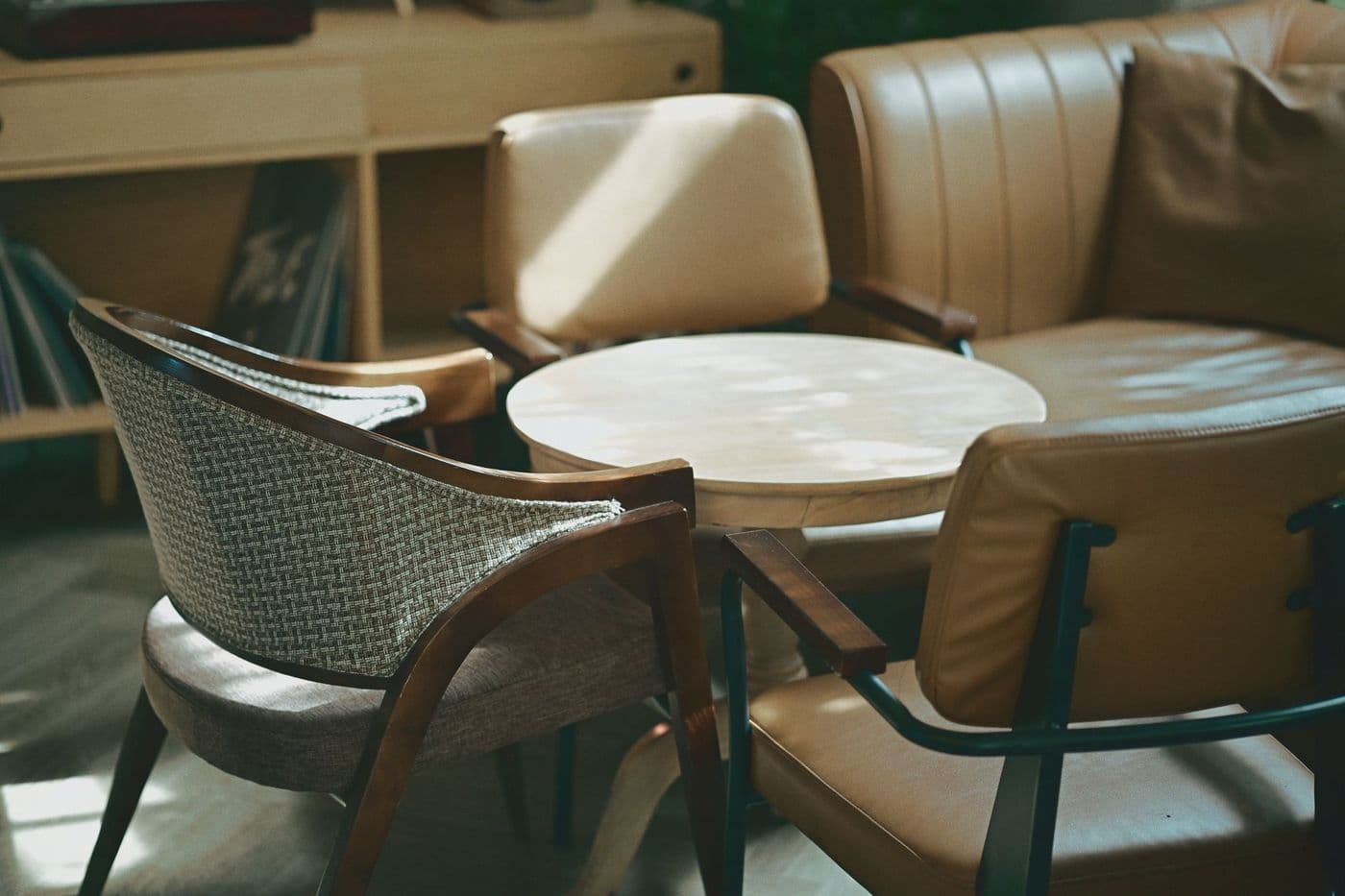
Mid-Century Modern Living Room Ideas That Feel Authentic
How to create a mid-century modern living room: key furniture shapes, warm woods, colour palettes, lighting and mixing vintage with modern pieces.
How to Restore Old Wood Furniture Without Stripping It
Revive dull, grimy wood furniture without stripping: clean safely, blend scratches, treat white rings, and choose wax or oil — while keeping the patina.
How to Identify Antique Furniture: 8 Clues to a Piece's Age
Learn to read the clues in old furniture — dovetails, saw marks, screws, wood, wear and hardware — to tell a genuine antique from a later piece.