How to Restore Old Wood Furniture Without Stripping It
Revive dull, grimy wood furniture without stripping: clean safely, blend scratches, treat white rings, and choose wax or oil — while keeping the patina.
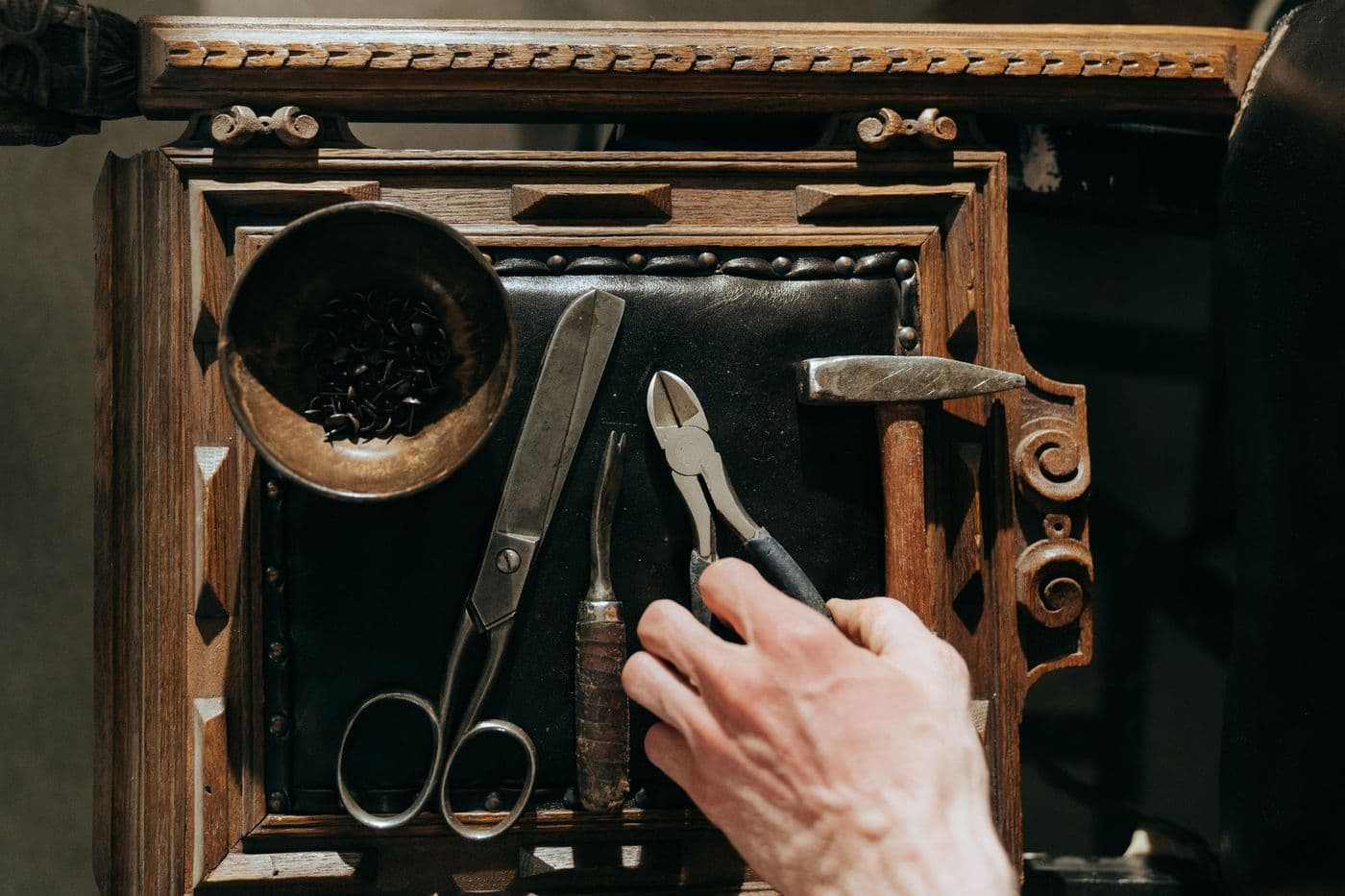
Start with the gentlest step and stop when it looks good: dust, then clean with a barely damp cloth and a drop of mild soap (or mineral spirits for grime and old wax), let it dry, blend scratches with a matching touch-up marker or wax stick, treat fresh white water rings with gentle warmth, and finish with a thin coat of paste wax buffed to a soft sheen. Stripping removes original finish and patina, which can lower the value of genuine antiques.
Most 'tired' furniture is not damaged, just dirty: decades of polish build-up, kitchen grease and dust dull the finish underneath. Cleaning alone often brings back more colour and depth than you expect.
Stripping and refinishing is a last resort. It is messy, it removes the original surface for good, and on antiques it can significantly reduce value.
First, identify the finish
On a hidden spot, dab a little denatured alcohol (methylated spirits). If the finish softens and gets sticky, it is likely shellac, common on older pieces. If it does not react, try lacquer thinner on a hidden spot: lacquer softens. If neither affects it, it is probably a modern varnish or polyurethane.
Knowing the finish tells you what to avoid. For example, alcohol-based cleaners will damage shellac.
Tip: Test everything — cleaners, waxes, markers — in an inconspicuous area such as the back of a leg or underside of a top, and wait for it to dry before judging.
Step 1: Clean gently
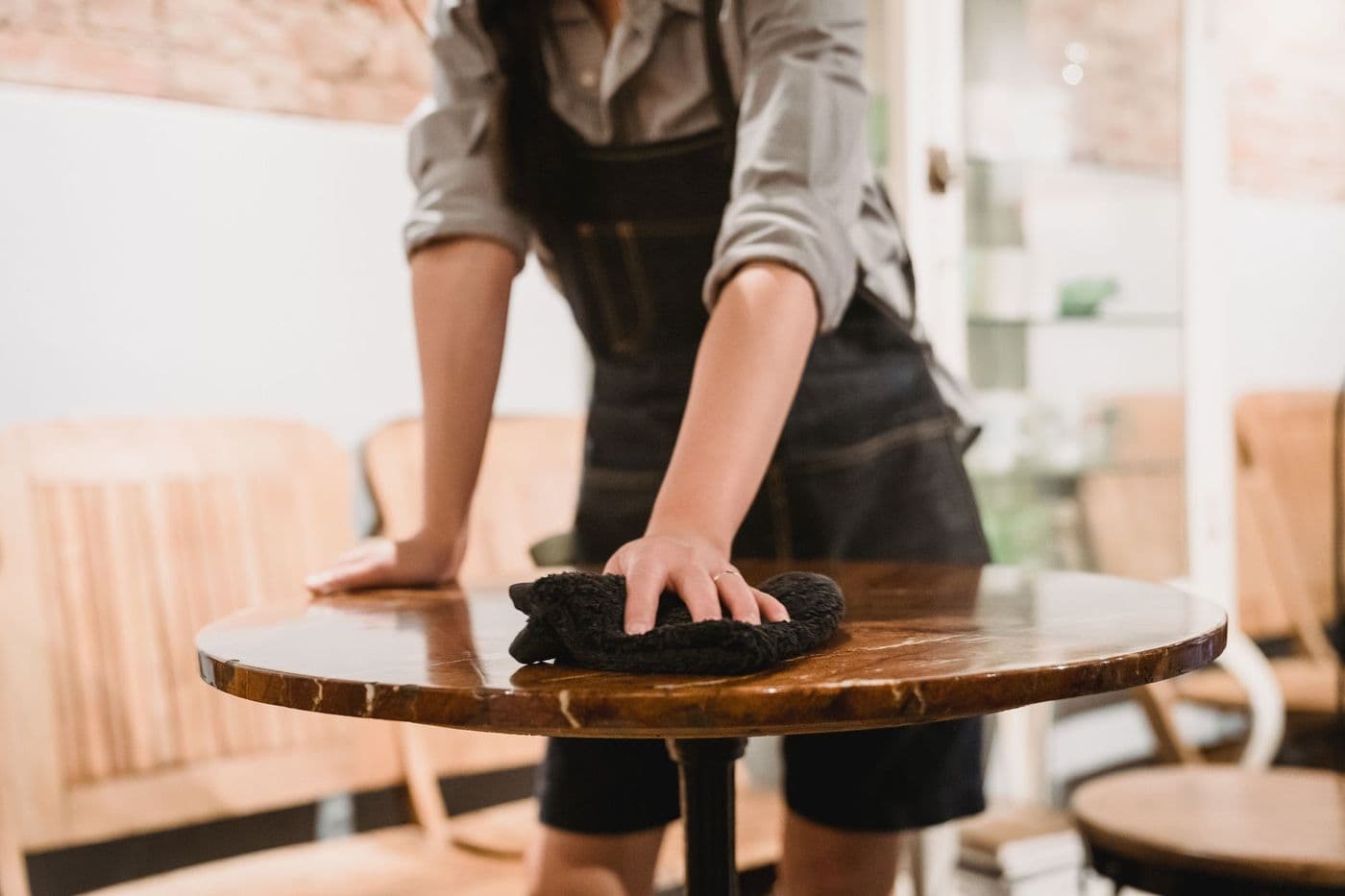
Work in small sections and never flood wood with water.
- Dust thoroughly with a soft brush and microfibre cloth, including carvings and corners.
- Wipe with a cloth barely dampened with water and a drop of mild washing-up liquid. Dry immediately.
- For greasy grime or old wax build-up, use odourless mineral spirits (white spirit) on a soft cloth, which does not dissolve most finishes. Work with ventilation and gloves.
- Let the piece dry fully before the next step.
Step 2: Disguise scratches and worn edges
Light surface scratches often disappear after cleaning and waxing. Deeper scratches can be blended with furniture touch-up markers or wax sticks in a matching tone; build colour gradually and wipe off the excess.
Worn edges and corners are part of an old piece's character. Toning them slightly so they do not catch the eye usually looks better than trying to make them new.
Step 3: White rings and water marks
White, cloudy rings are usually moisture trapped in the finish rather than in the wood. On many finishes they can fade with gentle, indirect warmth — for example a hairdryer on a low setting held at a distance, keeping it moving — or with time in a warm, dry room.
Dark rings mean water has reached the wood itself. These are much harder to remove and are a job for a professional on valuable pieces.
Step 4: Feed and protect the surface
A thin coat of good-quality paste wax, applied with a soft cloth and buffed after it hazes, gives a soft sheen and some protection. Apply sparingly; thick wax attracts dust.
Avoid silicone-based spray polishes on antiques. They can leave a film that makes future repairs and refinishing difficult.
When stripping is the right call
If the finish is flaking, badly crazed through to bare wood, or the piece has been painted in a way you want to reverse, refinishing may be justified — on everyday furniture. On anything that might be valuable, consult a conservator first.
Old paint can contain lead. Do not sand or dry-scrape painted surfaces without testing for lead and taking proper precautions.
Frequently asked questions
Does refinishing reduce the value of antiques?
Often, yes. Collectors usually value original finish and patina. Clean and conserve first; refinish only after getting professional advice for potentially valuable pieces.
What is the best polish for old wood furniture?
A thin coat of quality paste wax buffed to a sheen is a traditional, reversible choice. Avoid silicone sprays on antiques.
How do I remove sticky residue from old furniture?
Sticky surfaces are often degraded polish or wax build-up. Mineral spirits on a soft cloth usually lifts it; test first and work in a ventilated area.
Advertisement
General information only. Check product labels and manufacturer instructions before you start.
Keep reading
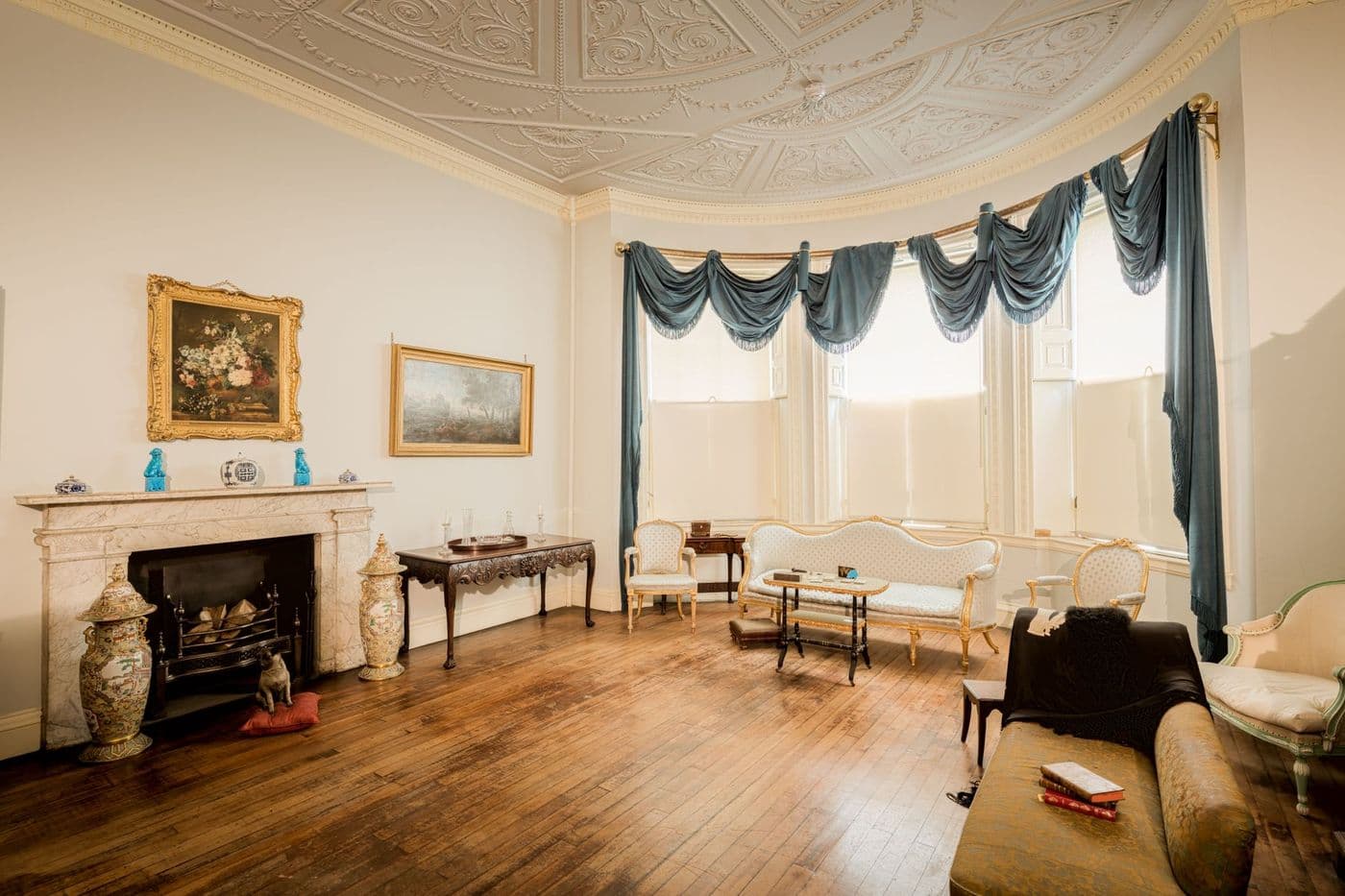
Victorian vs Edwardian Interiors: How to Tell Them Apart
The key differences between Victorian and Edwardian interiors — colours, ceilings, fireplaces, furniture and pattern — and how to decorate period homes today.
Mid-Century Modern Living Room Ideas That Feel Authentic
How to create a mid-century modern living room: key furniture shapes, warm woods, colour palettes, lighting and mixing vintage with modern pieces.
How to Identify Antique Furniture: 8 Clues to a Piece's Age
Learn to read the clues in old furniture — dovetails, saw marks, screws, wood, wear and hardware — to tell a genuine antique from a later piece.