How to Identify Antique Furniture: 8 Clues to a Piece's Age
Learn to read the clues in old furniture — dovetails, saw marks, screws, wood, wear and hardware — to tell a genuine antique from a later piece.
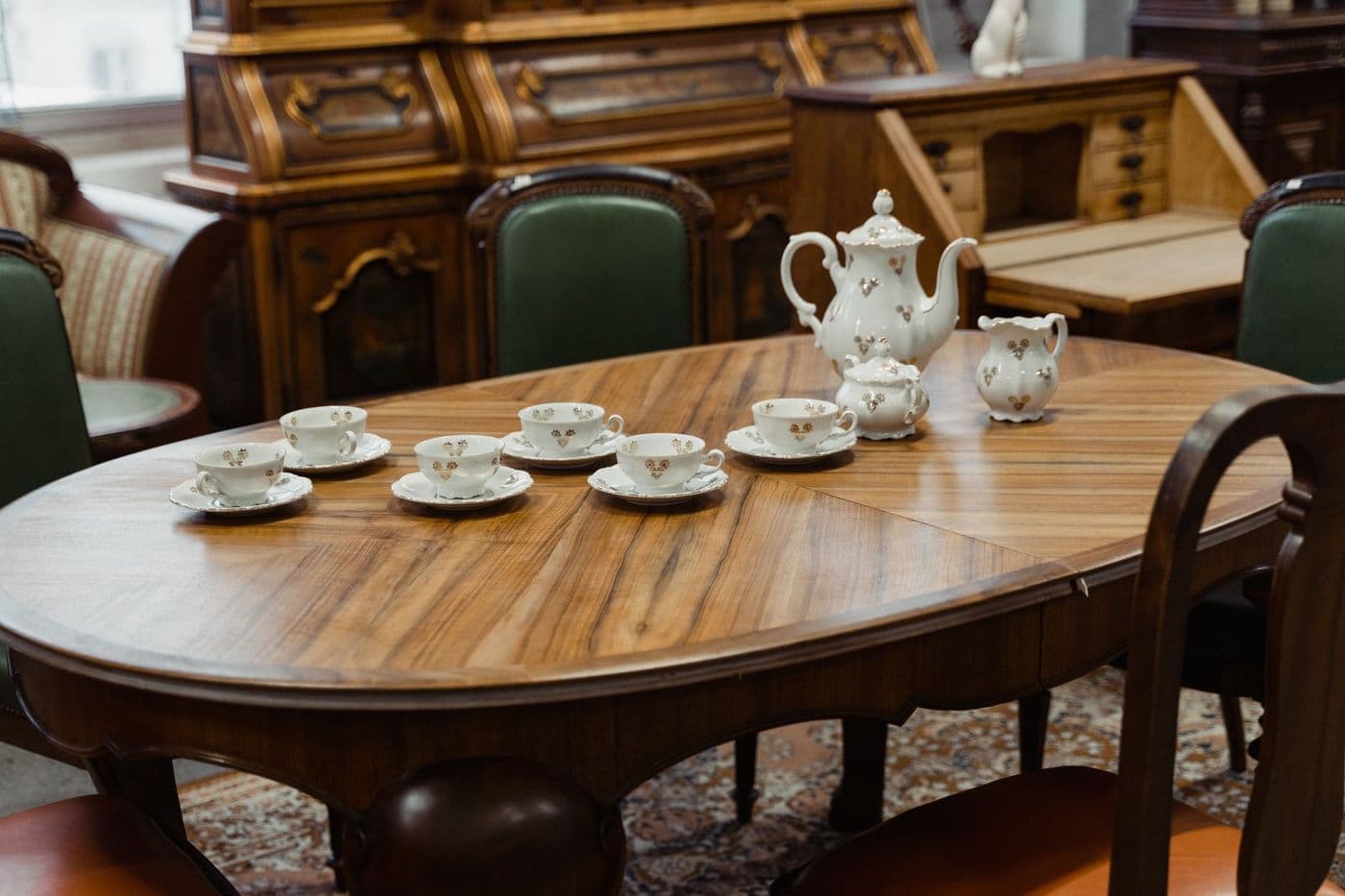
Look at how the piece was made, not just its style. Hand-cut dovetails that are uneven and few, irregular hand-plane or straight pit-saw marks, hand-made screws with off-centre slots, shrinkage across the grain, and wear in places hands and feet naturally touch all point to age. Perfectly uniform dovetails, circular saw marks, Phillips screws, plywood and staples point to later manufacture. No single clue proves age; look for several that agree.
In the trade, 'antique' usually means at least 100 years old; 'vintage' is used loosely for anything from roughly 20 to 100 years old. Style alone is a poor guide, because popular designs were reproduced for generations.
Construction is far harder to fake. Pull out a drawer, turn the piece over and look at the back: the hidden parts tell you how — and roughly when — it was made.
1. Dovetail joints
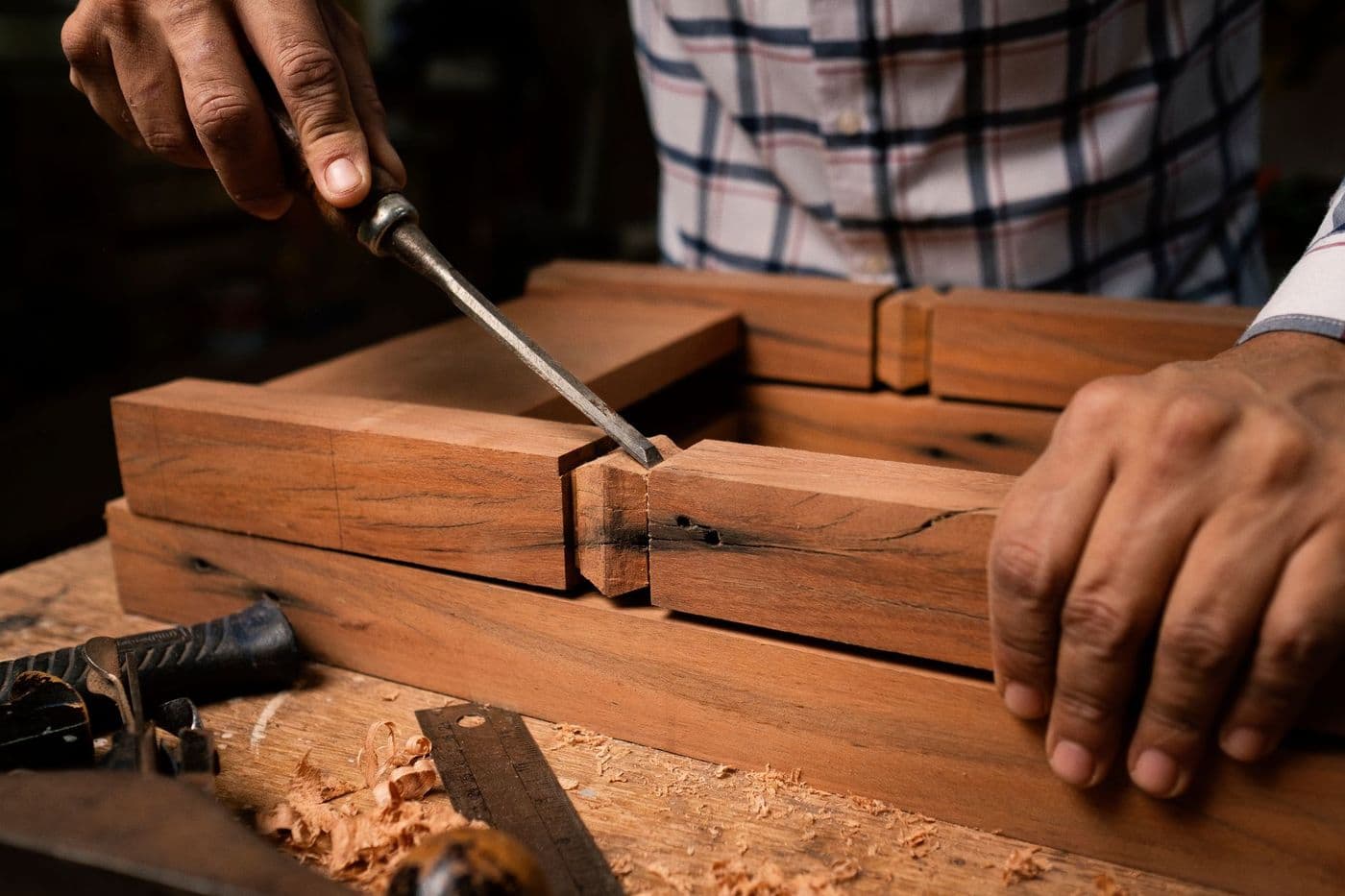
Pull out a drawer and look at where the front meets the sides. Hand-cut dovetails tend to be few, slightly uneven, with narrow pins and wide tails, and you may see the scribe line the maker marked out. Machine-cut dovetails, which became common in the later 19th century, are evenly spaced and identical.
Rounded 'pin and scallop' joints and very regular dovetails point to machine production. Staples, dowels alone, or glued butt joints usually indicate 20th-century or later work.
2. Saw and tool marks
Check the backs of panels and the undersides of drawers. Straight, slightly irregular marks suggest hand sawing; arcs of curved marks come from circular saws, which became widespread in the 19th century. Gently uneven, scalloped surfaces under a drawer can indicate hand planing.
3. Screws, nails and fixings
Fixings were rarely replaced all at once, so look at several.
- Hand-made screws: irregular threads, blunt tips and off-centre slots.
- Machine-made screws: even threads and pointed tips, common from the mid-19th century.
- Phillips (cross-head) screws: 20th century onwards — a sign of later manufacture or repair.
- Hand-forged nails have irregular, hand-hammered heads; cut nails are rectangular; round wire nails are later.
4. Wood, shrinkage and secondary timbers
Solid wood shrinks across the grain over time, so round tabletops become slightly oval and panels may show gaps. Old pieces typically use solid wood for hidden parts (often cheaper 'secondary' species like pine or poplar) rather than plywood, MDF or particleboard, which are 20th-century materials.
Inside surfaces that have never been finished should look dry and oxidised. Fresh, pale wood on the inside of an 'old' piece suggests replacement or reproduction.
5. Wear in the right places
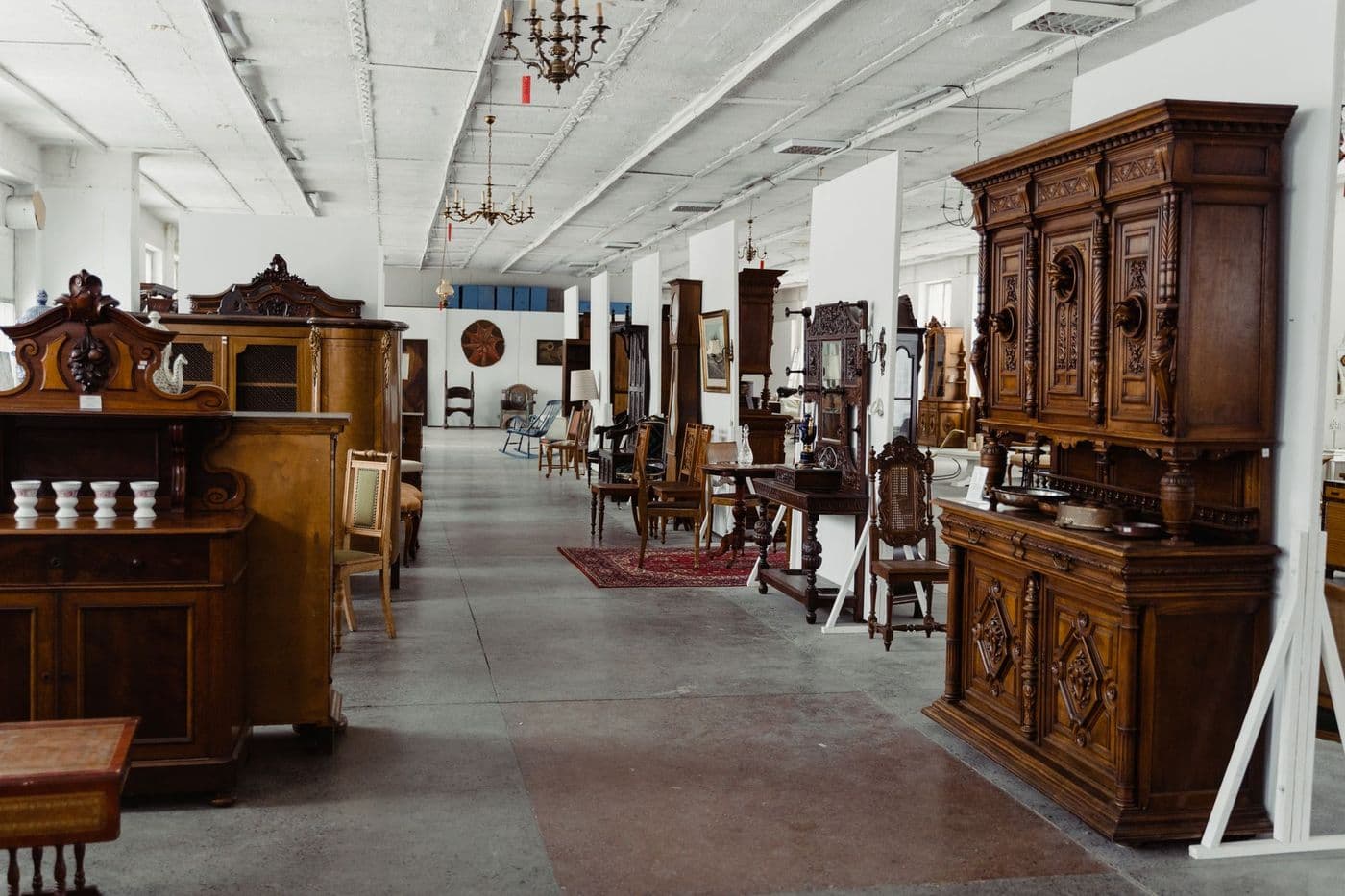
Genuine wear is gradual and logical: softened edges where hands grip, worn stretchers where feet rest, smoothed drawer runners and matching wear on the carcass. Uniform distressing all over, or 'wear' in places nothing would touch, is a common sign of a reproduction made to look old.
Tip: Run your hand under the edges of a tabletop or along drawer bottoms: hand-finished surfaces often feel subtly uneven compared with flat machine-sanded ones.
6. Hardware and finish
Handles, escutcheons and hinges are frequently replaced. Look for extra holes, outlines or 'ghosts' of earlier hardware on the inside of drawer fronts — they show the piece has been altered, which affects value but not age.
Old finishes such as shellac often show fine crazing and mellow colour. Very even, thick, plastic-looking finishes are typically modern.
When to call a professional
If several clues point to real age, avoid cleaning, stripping or repairing until you know more. An accredited appraiser or a reputable auction house can confirm age and value; original finish and patina are often worth more than a fresh restoration.
Frequently asked questions
How old does furniture have to be to count as antique?
A common definition is at least 100 years old. 'Vintage' is used more loosely, often for pieces roughly 20 to 100 years old.
Do dovetail joints mean furniture is antique?
Not on their own. Dovetails are still made today. Hand-cut, irregular dovetails are a good clue to age; perfectly uniform ones usually mean machine production.
Can I tell an antique's value myself?
You can gather clues to age and quality, but value depends on maker, condition, originality and the market. For anything potentially valuable, get a professional appraisal.
Advertisement
General information only. Check product labels and manufacturer instructions before you start.
Keep reading
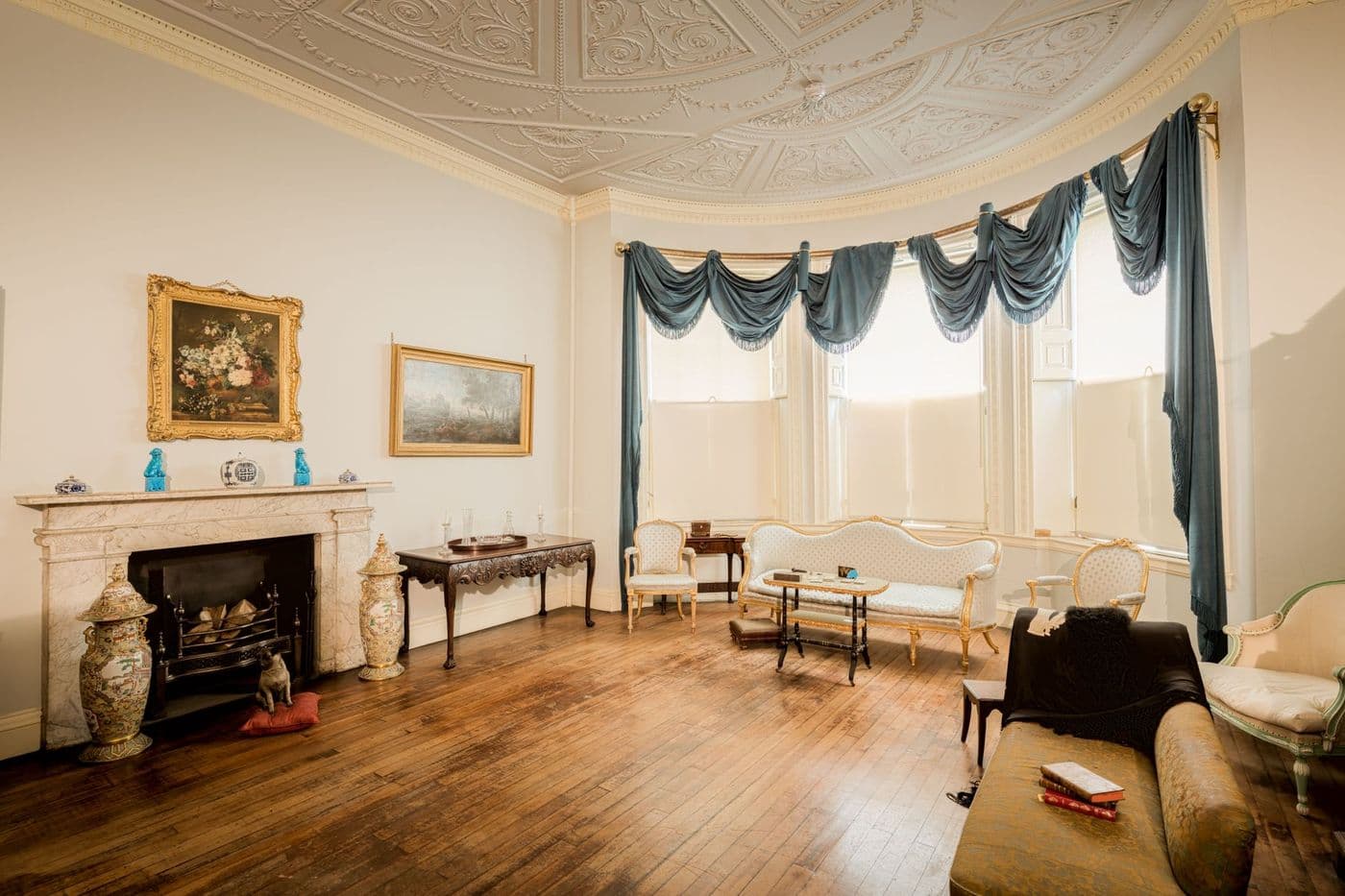
Victorian vs Edwardian Interiors: How to Tell Them Apart
The key differences between Victorian and Edwardian interiors — colours, ceilings, fireplaces, furniture and pattern — and how to decorate period homes today.
Mid-Century Modern Living Room Ideas That Feel Authentic
How to create a mid-century modern living room: key furniture shapes, warm woods, colour palettes, lighting and mixing vintage with modern pieces.
How to Restore Old Wood Furniture Without Stripping It
Revive dull, grimy wood furniture without stripping: clean safely, blend scratches, treat white rings, and choose wax or oil — while keeping the patina.