Mid-Century Modern Living Room Ideas That Feel Authentic
How to create a mid-century modern living room: key furniture shapes, warm woods, colour palettes, lighting and mixing vintage with modern pieces.
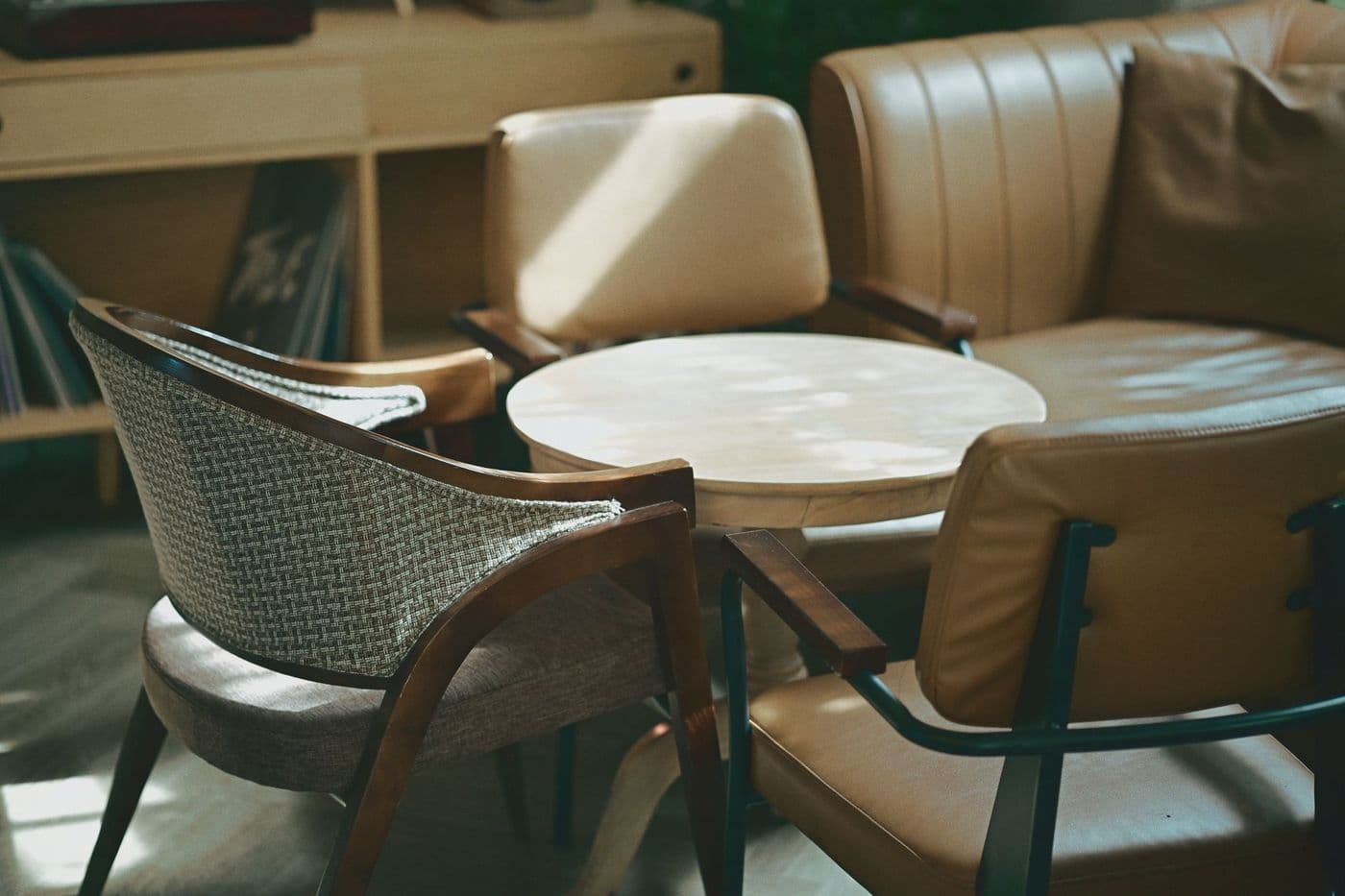
Mid-century modern (roughly mid-1940s to late 1960s) combines clean lines, tapered legs, warm woods like teak and walnut, organic curves and a few bold colour accents. Build the room around one low-slung sofa, a sideboard or credenza, a sculptural lounge chair and statement lighting, keep clutter low, and mix a few genuine vintage pieces with quality modern ones.
Mid-century modern design grew out of post-war optimism, new materials and a wish for homes that were lighter, simpler and more open than the heavy interiors before them. Its appeal has lasted because it is practical: low furniture, good storage and uncluttered rooms suit modern life.
The key to an authentic look is restraint. A room filled with every retro cliché feels like a theme park; a few well-chosen pieces feel timeless.
The defining features
Most mid-century pieces share a handful of traits.
- Clean, unfussy lines and little applied ornament
- Tapered, splayed or hairpin legs that lift furniture off the floor
- Warm woods such as teak, walnut and rosewood, often with a satin finish
- Organic, curved forms alongside geometric shapes
- New materials of the era: moulded plywood, fibreglass, tubular steel and plastic
Start with the big pieces
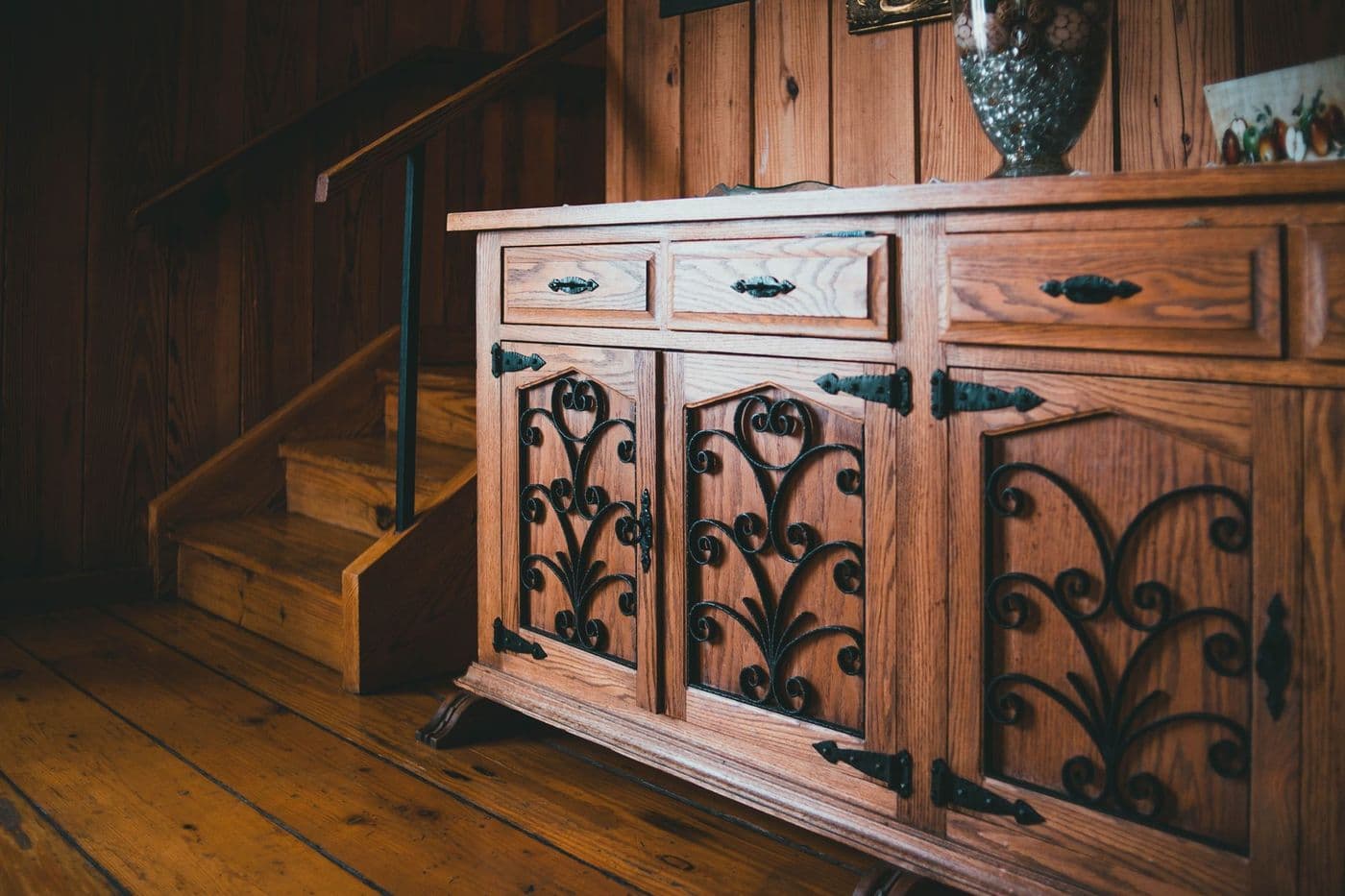
A low-backed sofa with slim arms and wooden legs sets the tone. Add a long, low sideboard or credenza — the most useful mid-century piece, perfect for storage and as a display surface for lamps, ceramics and records.
One sculptural lounge chair gives the room a focal point. Pair it with a simple coffee table in wood or with a tulip-style pedestal base.
Tip: Vintage Danish and British teak furniture is widely available second-hand. Check drawers run smoothly, veneers are not lifting and legs are firmly attached before buying.
Colour palette
Keep walls fairly neutral — warm white, soft grey or a muted earth tone — and let wood provide warmth. Then add period accent colours in cushions, a rug, ceramics or one painted wall: mustard, olive, burnt orange, teal and deep blue are classic.
Lighting
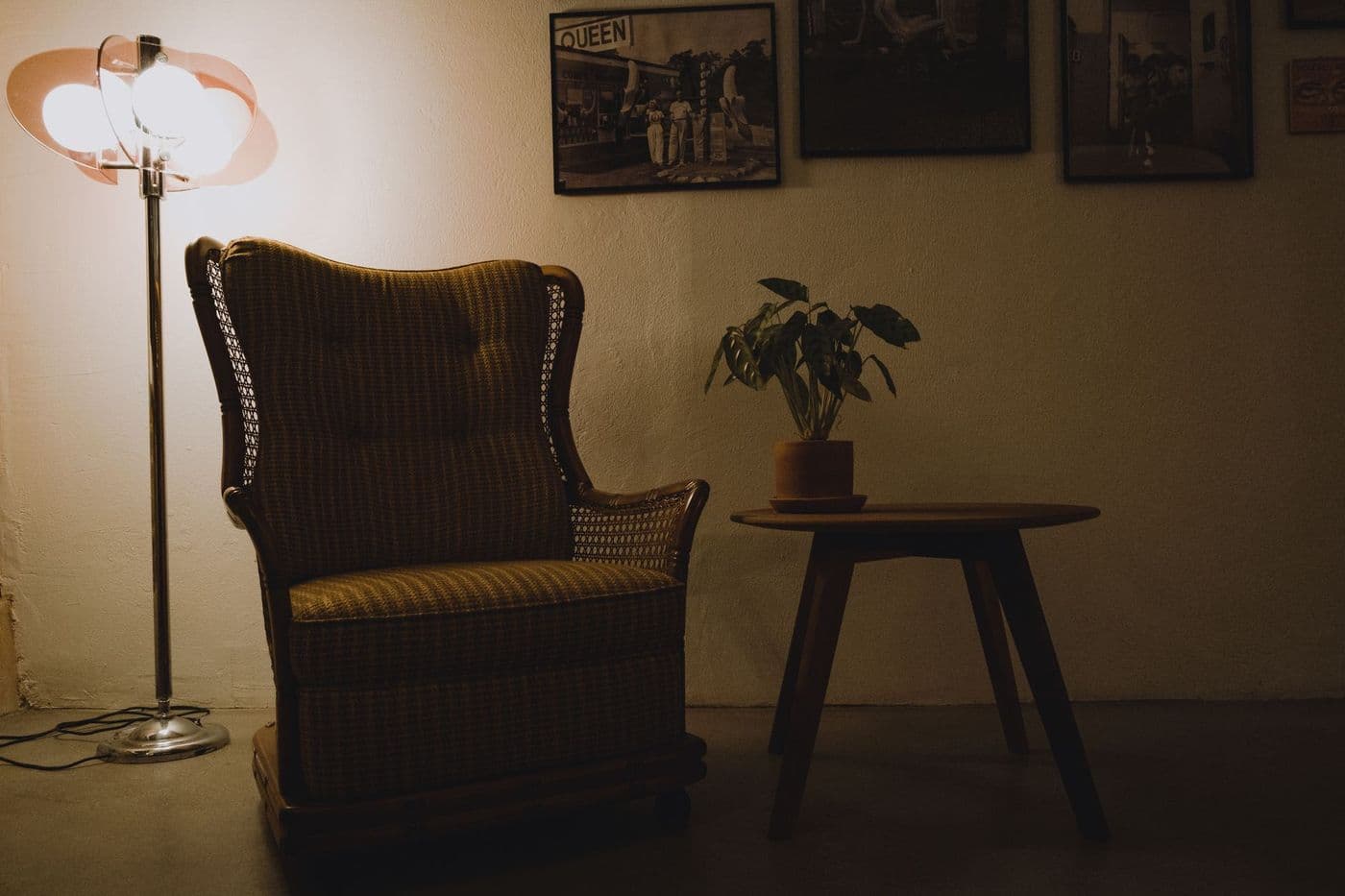
Lighting is where mid-century style shines. Arc floor lamps, globe pendants, mushroom table lamps and multi-armed 'Sputnik' ceiling lights all belong to the era. Use warm bulbs and layer two or three light sources rather than relying on one overhead fitting.
Mixing vintage and modern
You do not need an all-original room. Combine one or two genuine vintage pieces with well-made modern furniture in a similar spirit, and add contemporary comfort where it matters, such as a new sofa with period-style legs.
Finish with plants (rubber plants and fiddle-leaf figs suit the look), abstract art, a geometric or shag rug and a few ceramics in organic shapes.
Frequently asked questions
What years count as mid-century modern?
The term usually covers design from about the mid-1940s to the late 1960s, though the style was influenced by earlier modernism and continues to be reproduced today.
What wood is used in mid-century furniture?
Teak and walnut are the most typical, along with rosewood, oak and moulded plywood.
How do I keep a mid-century room from looking dated?
Use a restrained number of statement pieces, keep walls calm and clutter low, and mix vintage items with good modern basics.
Advertisement
General information only. Check product labels and manufacturer instructions before you start.
Keep reading
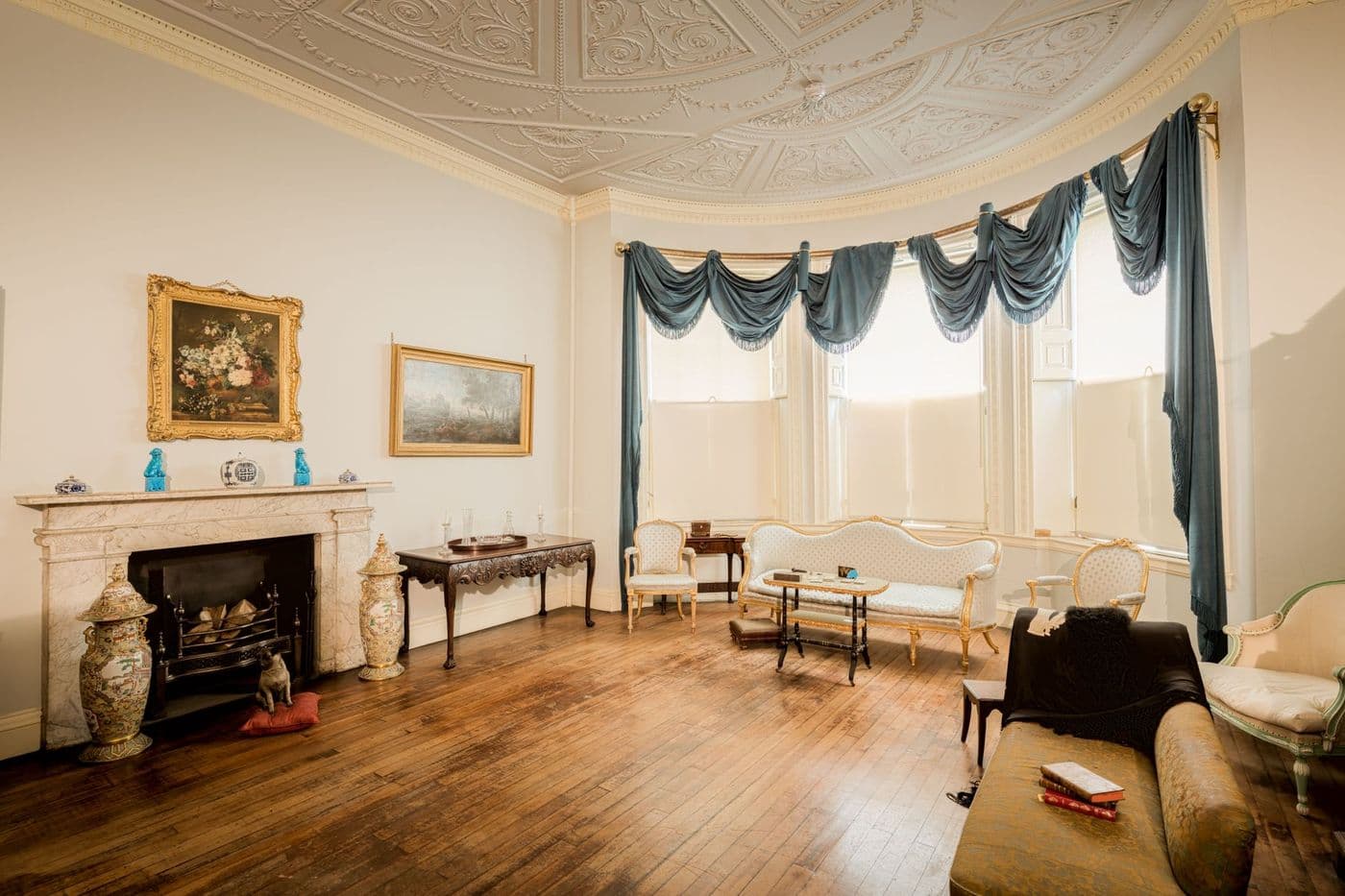
Victorian vs Edwardian Interiors: How to Tell Them Apart
The key differences between Victorian and Edwardian interiors — colours, ceilings, fireplaces, furniture and pattern — and how to decorate period homes today.
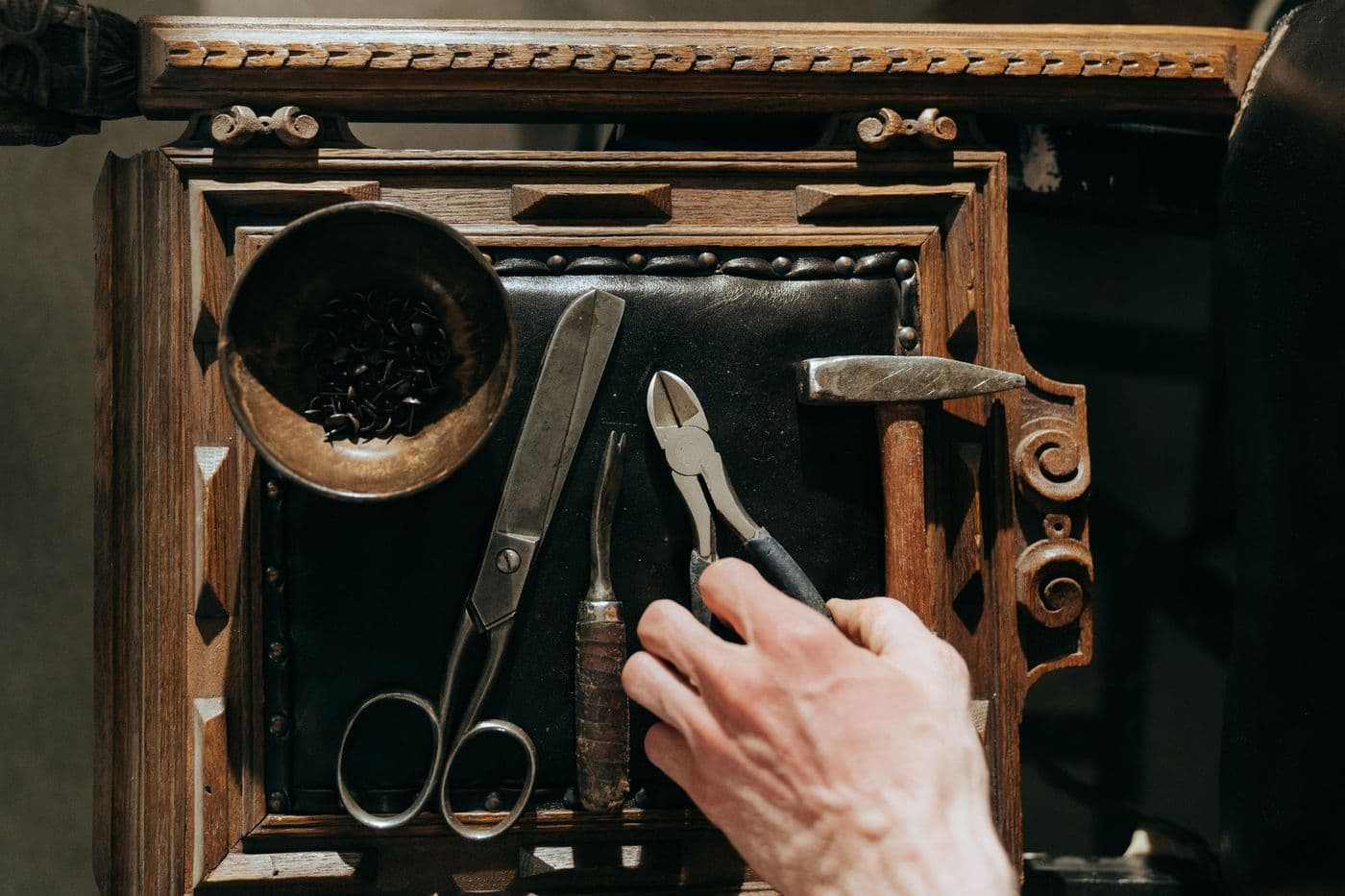
How to Restore Old Wood Furniture Without Stripping It
Revive dull, grimy wood furniture without stripping: clean safely, blend scratches, treat white rings, and choose wax or oil — while keeping the patina.
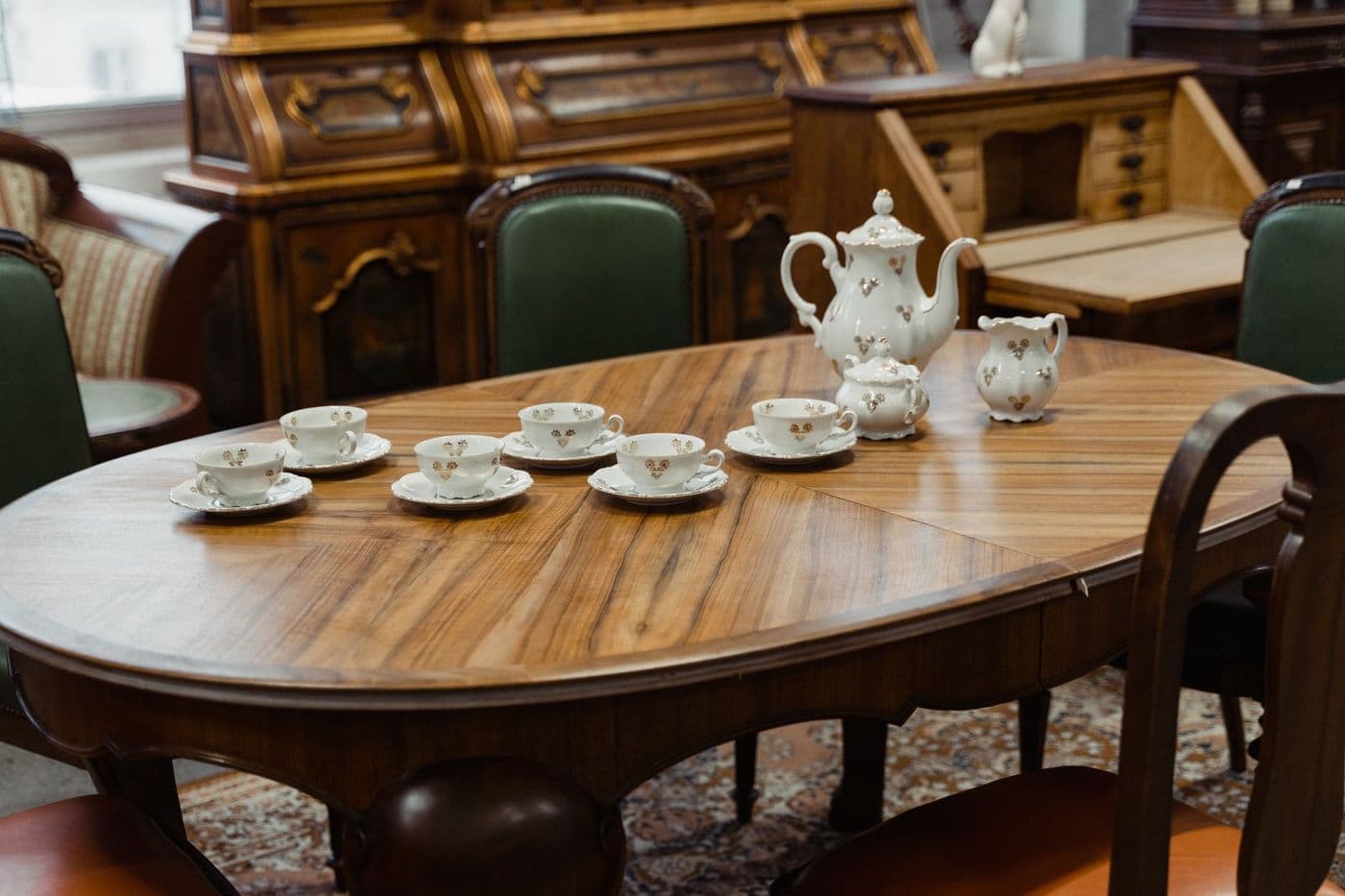
How to Identify Antique Furniture: 8 Clues to a Piece's Age
Learn to read the clues in old furniture — dovetails, saw marks, screws, wood, wear and hardware — to tell a genuine antique from a later piece.