How to Tell Solid Wood from Veneer on Furniture
Not sure whether a table or chest is solid wood or veneer? Check the edges, grain match, underside and weight to tell the two construction types apart.
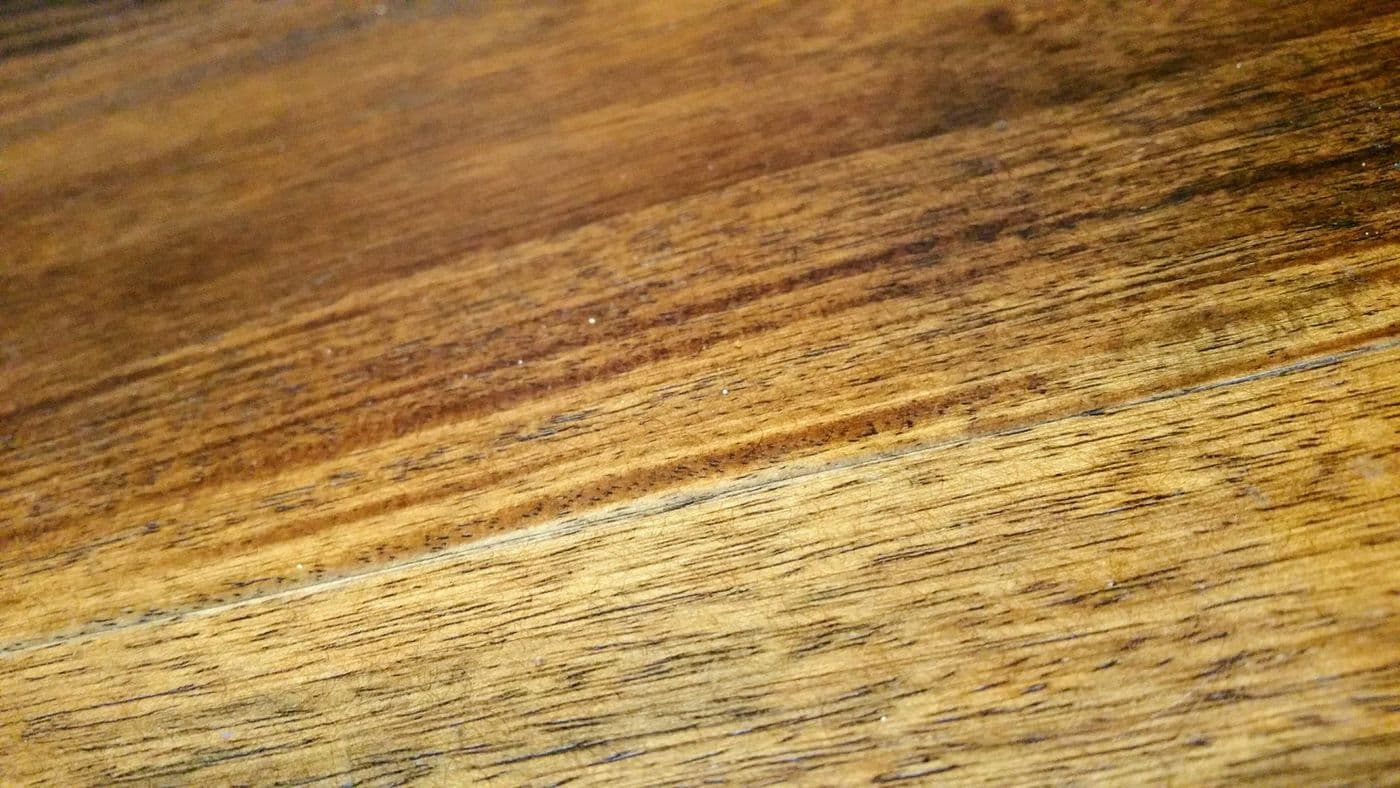
Check the edges and the underside. On veneer, the grain on the top face usually does not continue around the edge, and you may see a thin line where the surface layer meets a different wood beneath. On solid wood, the grain wraps around corners and looks consistent from top to edge. Veneer is not a sign of poor quality: fine antique furniture is often veneered on purpose.
People often assume 'veneer' means cheap and 'solid wood' means valuable. In antique furniture the truth is more nuanced. Cabinetmakers have glued thin slices of decorative wood to a sturdier base for centuries, and some of the most admired pieces from the 17th to 19th centuries are veneered.
What matters is knowing which one you are looking at, because it changes how you clean, repair and value a piece. These checks need no tools beyond good light and a little patience.
What veneer actually is
Veneer is a thin sheet of wood, glued to a base (called the carcass or groundwork) made from a more stable or economical timber. Early veneers were cut by hand saw and are noticeably thicker than the very thin knife-cut or rotary-cut sheets that industrial machinery made routine from the 19th century onward.
Veneering let makers use rare, figured woods such as walnut burr or mahogany crotch without building an entire piece from them, and it let them create patterns like book-matched panels and inlaid borders. Plywood and chipboard cores with a photographic or paper finish are a different, modern category and are not what is meant by traditional veneer.
Look at the edges first
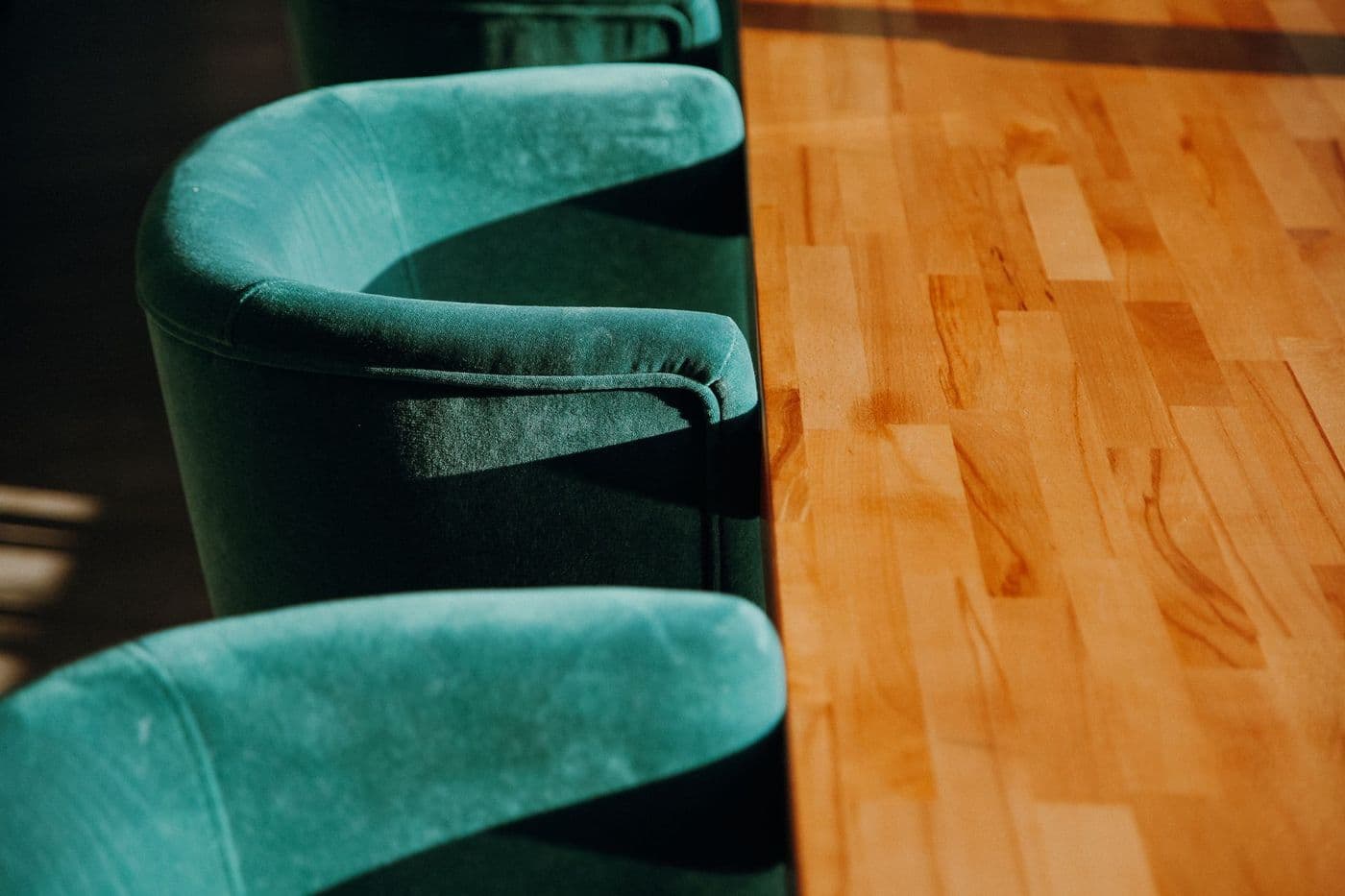
Edges are the quickest giveaway. On solid wood, the grain visible on the top surface continues over the edge and down the side, and the colour and figure look like one continuous piece. On veneer, the edge often shows a thin line, a change of colour or a different grain, or a narrow strip of the same veneer (an edge banding) glued on separately.
Drawer fronts and table tops are good places to check. If the grain pattern on the face suddenly stops at the edge and a different-looking timber appears, you are probably looking at veneer over a core.
Check the grain match
Real solid boards are rarely perfect mirrors of one another. Veneers, by contrast, are often cut from the same log in sequence and laid side by side, so you may see symmetrical, mirror-image figure across a door or table top. This 'book matching' is a deliberate decorative technique, not a flaw.
Very repetitive grain, the same knot or pattern appearing again and again, can instead point to a printed or photographic surface on a modern board. Run a fingernail over the surface; a printed pattern has no depth, while real wood has tiny pores and texture that follow the grain.
Turn it over and look underneath
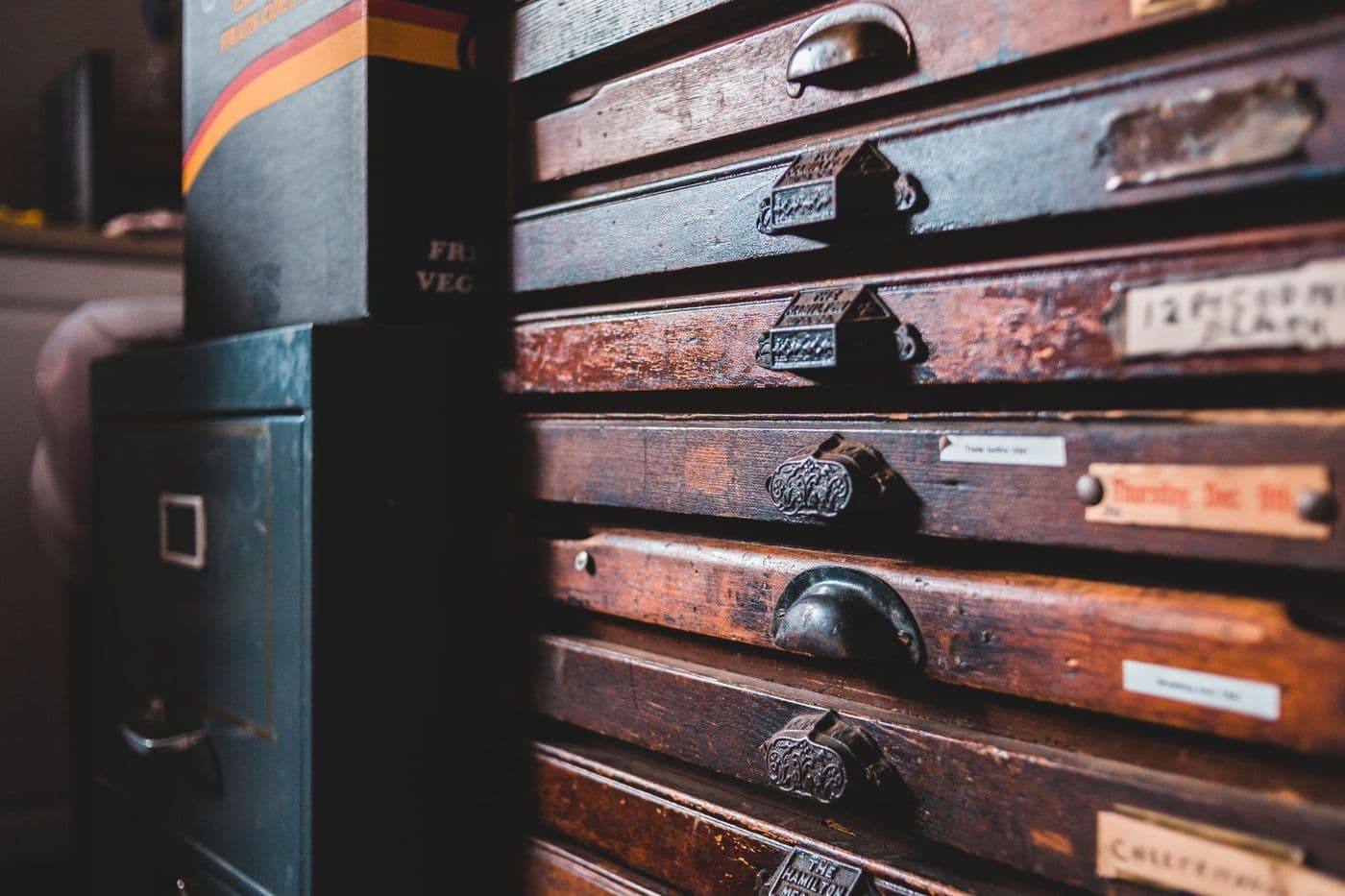
Undersides and backs are usually unfinished and reveal the core. Old veneered furniture commonly has a core of solid pine, oak or another secondary timber. Modern pieces may show plywood layers, particleboard with a speckled look or MDF, which is smooth, uniformly brown and dense.
Plywood shows alternating thin layers when you look at a cut edge. Particleboard looks like compressed chips. If you see either, the piece is later than the classic veneered furniture of earlier centuries.
Signs of damage that only happen to veneer
Veneer can lift, bubble or chip where it has been exposed to moisture, heat or knocks. A raised blister, a loose corner or a missing patch revealing a paler base wood is a clear sign. Solid wood can crack or warp but does not peel in layers.
Look also for fine cracks that run across the grain or along a joint line; changes in humidity can make the glue line fail. Inspect corners and the edges of drawer fronts, where veneer is most vulnerable.
Weight and feel
Weight is only a rough guide, but lifting a piece can help. Solid hardwood is heavy; a veneered carcass in softwood or plywood is often lighter than it looks. Tap the surface gently: a hollow sound can indicate a thin panel or a hollow core.
Keep in mind that old veneered pieces were built on solid timber cores and can be very heavy, so weight alone should never be the deciding factor.
Why it matters for care and value
Veneer should be cleaned gently, without soaking, and should not be sanded aggressively because the surface layer is thin and cannot be replaced by sanding more. Any lifting areas are best repaired early, before they catch and tear.
A veneered antique is not worth less simply because it is veneered. Quality of veneer, originality and condition matter far more. For anything you think might be valuable, ask a qualified furniture restorer or an appraiser to assess it before attempting repairs.
Tip: Shine a torch (flashlight) across the surface at a low angle. Raised areas, ripples and old repairs in veneer show up clearly in raking light.
Frequently asked questions
Is veneer furniture worth less than solid wood?
Not necessarily. Many valuable antiques are veneered. Value depends on maker, quality, condition and originality rather than on whether the surface is solid or veneered.
Can veneer be refinished or sanded?
Only with great care. Veneer is thin, so heavy sanding can go straight through to the base. Gentle cleaning and light re-polishing are safer, and an expert should handle significant refinishing.
How can I tell veneer from a photo-printed laminate?
Look closely at the surface and edges. Real veneer has natural pores and slightly varying grain, while printed laminate repeats patterns and feels smooth and uniform, often with a plastic-like edge.
Does water ruin veneer?
Moisture and heat can weaken the glue and cause lifting or bubbling, so wipe spills quickly and avoid wet cloths. Damaged veneer can often be reglued by a restorer.
Advertisement
General information only. Check product labels and manufacturer instructions before you start.
Keep reading

How to Tell if a Rug Is Hand-Knotted or Machine-Made
Check the back, fringe, pattern and knots to tell a hand-knotted rug from a machine-made one, and learn what age and wear clues really mean.

How to Tell Antique Glass from Modern Glass: Pontils, Seams and Clues
Use pontil marks, mould seams, wear and weight to tell antique glassware from modern copies, and learn why bubbles and a ring sound are unreliable.
How to Read Antique Silver Hallmarks: A Beginner's Guide
Learn what British silver hallmarks mean: standard mark, town mark, date letter and maker's mark, plus how to spot silver plate and when to ask an expert.