How to Tell Antique Glass from Modern Glass: Pontils, Seams and Clues
Use pontil marks, mould seams, wear and weight to tell antique glassware from modern copies, and learn why bubbles and a ring sound are unreliable.
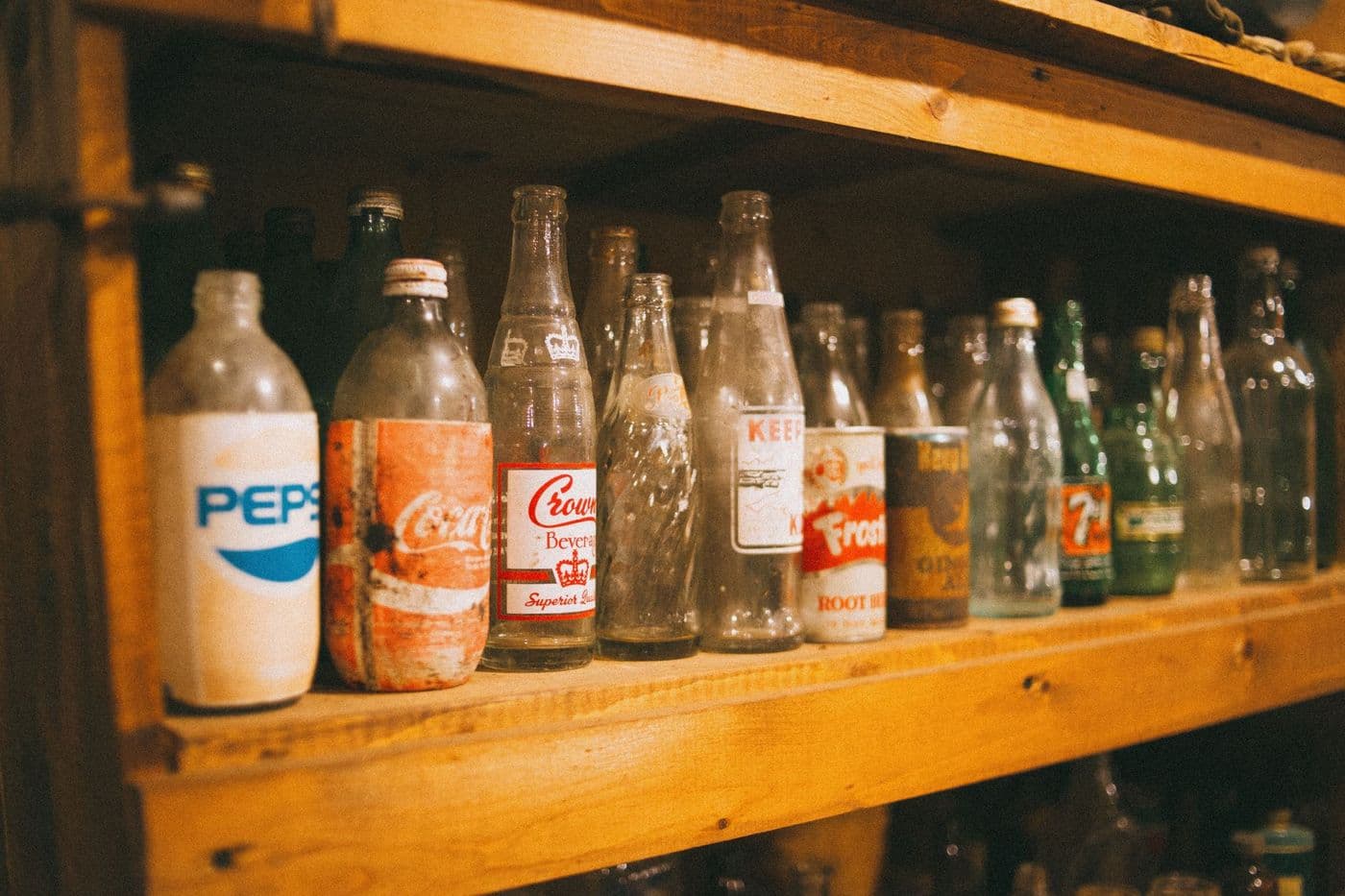
Turn the piece over. Hand-blown antique glass often has a rough pontil mark on the base, where it was snapped from the rod, while machine-made glass has smooth bases and visible mould seams. Genuine wear on the base and rim, irregular shape and period-appropriate form support age, but bubbles and a ringing sound alone prove nothing. Use several clues together.
Glass is easy to fake and easy to misjudge. Plenty of modern pieces are made to look old, and many perfectly genuine antiques have almost no markings at all.
Understanding how glass was made gives you the most reliable clues. These are the details collectors check first.
Start with the base
The underside of a glass often tells the story of how it was finished. Hand-blown pieces were held on an iron rod called a pontil while the maker finished the rim. When the rod was broken off, it left a scar, which was often ground and polished smooth on better pieces or left rough on simpler ones.
A rough, snapped or ground pontil mark can suggest hand finishing, but modern craft glass also has pontil marks, so this is one clue rather than proof.
Look for mould seams
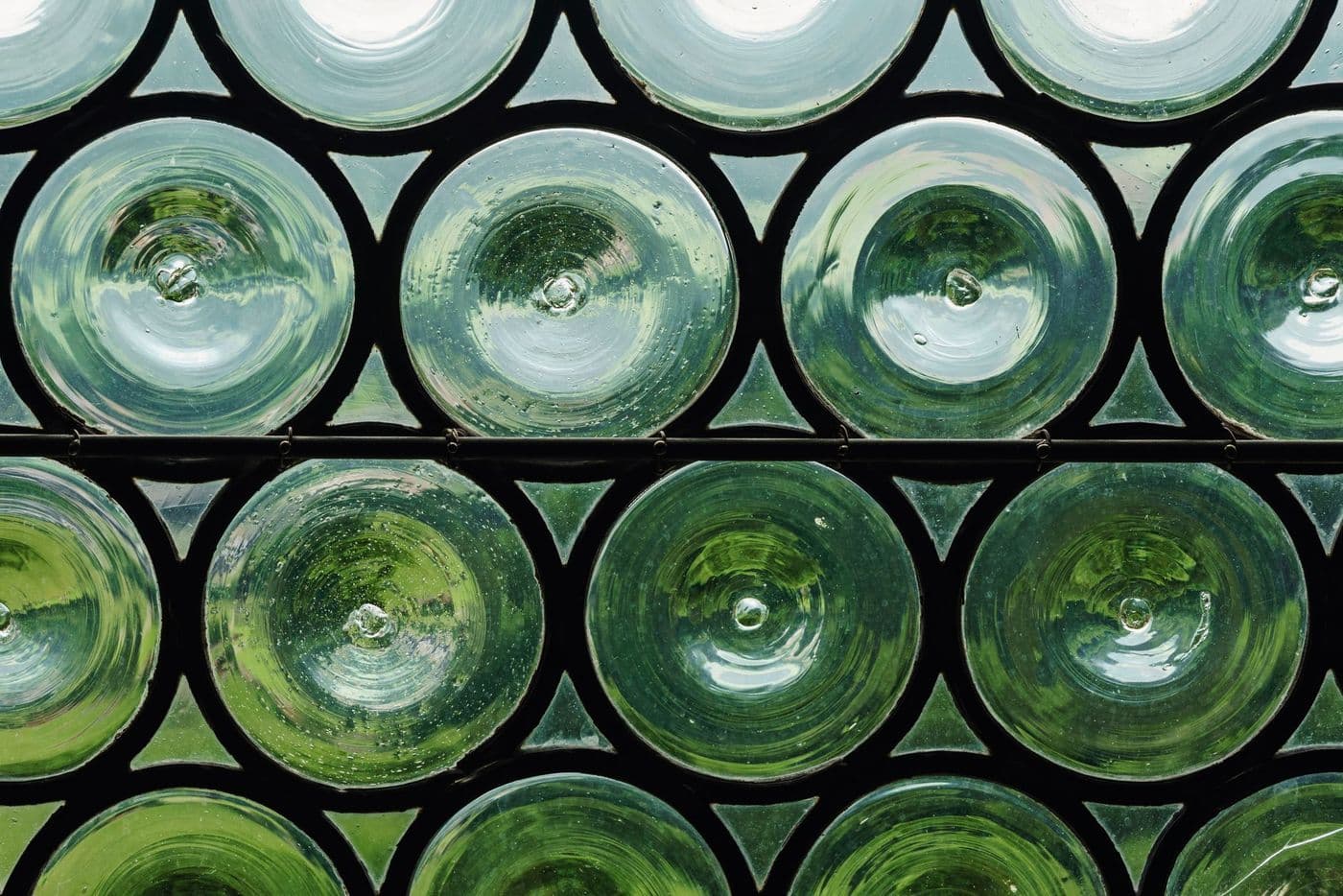
Glass pressed or blown into a mould carries seam lines where the mould sections meet. Machine-made and moulded items usually show clear vertical seams on the sides and sometimes across the base.
Fire polishing can soften seams on some old moulded pieces, so absence of a seam does not prove hand blowing. Compare multiple spots and use a magnifier.
Many antique pieces were made in several stages, for example a hand-blown bowl with a pressed or applied foot. A join where the foot meets the stem can show a faint ridge or a change in glass texture. Such details suggest hand assembly, but remember that skilled modern glassmakers use the same methods.
Shape, symmetry and thickness
Hand-blown glass is rarely perfectly symmetrical. Slight variations in thickness, a gently uneven rim and subtle waves in the surface are common. Very regular, thin and machine-precise shapes point to later production.
Weight and thickness vary by type, so learn what is typical for the style you are examining. Heavy lead crystal feels dense, while soda-lime glass is lighter.
Look at the rim and the way the glass catches light. Old glass often has slight surface waves, called draw marks, and may look a little greyish or greenish because of impurities in the raw materials. Colourless, brilliant glass of great clarity is more typical of later production, though high-quality lead crystal from the 18th century can also be exceptionally clear.
Wear tells a story
Genuine age produces fine scratches on the base from sliding across surfaces, minor chips on the rim and general light scuffing. This wear should be concentrated where use would cause it. Uniform scratches over the entire piece, especially in lines, can point to artificial ageing.
Examine the foot rim of a stemmed glass, which is often worn from years of contact with tables and trays.
Compare the wear on the base of one glass with the others in a set. A matching set from the same period should show similar patterns of use, whereas one piece that looks much newer than the rest may be a replacement. Listings that describe a set as 'matching' should be checked this way.
Unreliable tests
Several popular tests mislead beginners.
- Bubbles: tiny bubbles occur in old and modern handmade glass alike.
- Ring tone: some lead glass rings when flicked, but many good pieces do not and chips affect the sound.
- Colour alone: modern glass can be made in historic colours.
- Price: a bargain can still be a reproduction.
Uranium and special glass
Some glass from the 19th and 20th centuries contains small amounts of uranium, which can make it glow green under ultraviolet light. This is a helpful clue for certain types of Vaseline or uranium glass, but not all old glass fluoresces, and the glow does not on its own confirm age.
If you collect such pieces, handle them sensibly and ask a specialist about safety. Do not use them for acidic food or drink.
When to get advice
Fine antique glass can be valuable, and good copies exist. If you are paying a premium for age or maker, ask a specialist dealer or auction house for an opinion. Collectors' societies often have knowledgeable members who can help identify unfamiliar pieces.
Tip: Clean glass gently in lukewarm water with a soft cloth. Avoid dishwashers and abrupt temperature changes, which can crack or cloud old glass.
Frequently asked questions
Do bubbles prove glass is old?
No. Bubbles can occur in both antique and modern hand-made glass, so they are not a reliable age test.
What is a pontil mark?
It is the scar left on the base of hand-blown glass when the piece is broken from the pontil rod. It may be rough or ground smooth.
Can I wash antique glass in the dishwasher?
It is best avoided. Heat, detergent and movement can cause clouding, etching and breakage.
How can I find out what my glass is worth?
Ask a specialist glass dealer or auction valuer. Condition, maker and rarity all affect value.
Advertisement
General information only. Check product labels and manufacturer instructions before you start.
Keep reading

How to Tell if a Rug Is Hand-Knotted or Machine-Made
Check the back, fringe, pattern and knots to tell a hand-knotted rug from a machine-made one, and learn what age and wear clues really mean.
How to Read Antique Silver Hallmarks: A Beginner's Guide
Learn what British silver hallmarks mean: standard mark, town mark, date letter and maker's mark, plus how to spot silver plate and when to ask an expert.
How to Check Antique Furniture Before You Buy: A Buyer's Checklist
A practical checklist for inspecting antique furniture at shops, markets and auctions: structure, drawers, finish, repairs, smells and questions to ask.