How to Read Antique Silver Hallmarks: A Beginner's Guide
Learn what British silver hallmarks mean: standard mark, town mark, date letter and maker's mark, plus how to spot silver plate and when to ask an expert.
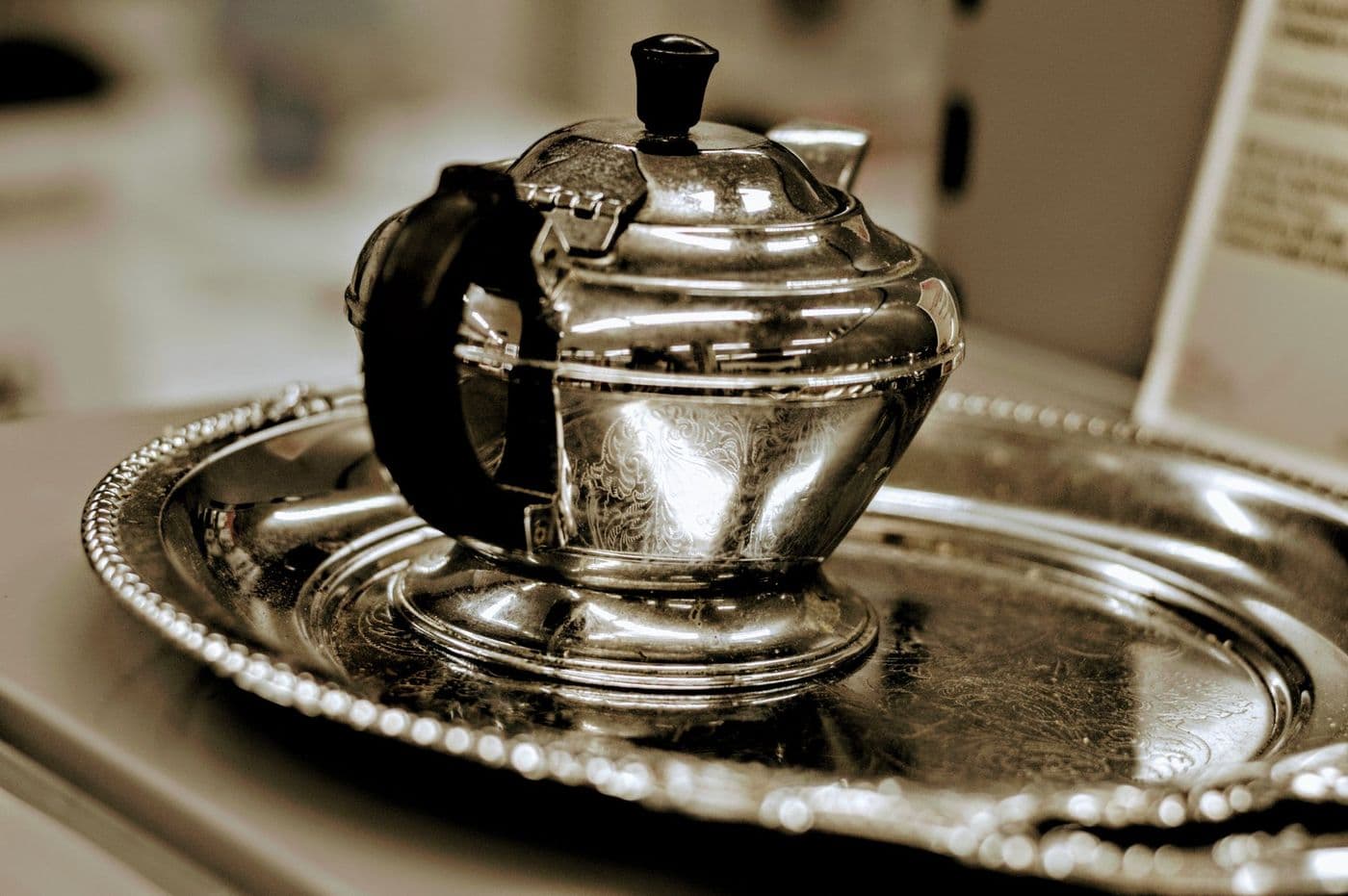
A British silver hallmark is a group of small stamps. Typically it includes a maker's mark, a standard mark (a lion passant for sterling in England), a town or assay office mark and a date letter. Together they show who made it, the silver purity, where it was assayed and roughly when. Marks on silver plate are different, so identify the type before assuming it is solid silver.
Turn over a teapot, spoon or candlestick and you will often find a row of tiny symbols. These hallmarks have been a legal guarantee of silver quality in Britain for centuries, and they make it unusually easy to identify and date silverware.
Reading them takes patience and a magnifying glass, but the basic system is simple. This guide covers the main parts of a British hallmark and some pointers for other countries.
What a hallmark is for
Hallmarking is a form of consumer protection. Items made of precious metal were sent to an assay office, tested for purity and stamped if they passed. The marks therefore tell you the metal, the standard and the office that checked it, not just the maker's claim.
Because the system has been fairly consistent for centuries, date letters and symbols can be looked up in reference books and online tables, making hallmarks a reliable starting point for dating silver.
The main parts of a British hallmark
A full set of marks usually includes several elements.
- Maker's mark: initials, sometimes in a shaped outline, identifying the maker or firm.
- Standard mark: shows the purity. A lion passant (a walking lion) indicates sterling silver in England. The number 925 also indicates sterling in modern marks.
- Town or assay office mark: for example a leopard's head for London, an anchor for Birmingham, or a castle for Edinburgh.
- Date letter: a letter in a particular style and shield shape that changes each year within a cycle.
- Duty mark: a monarch's head found on pieces between 1784 and 1890, showing tax was paid.
Sterling and other standards
Sterling silver in Britain contains 92.5 per cent silver. Britannia silver, a higher standard of 95.84 per cent, was compulsory for a period in the late 17th and early 18th centuries and is marked with a figure of Britannia and a lion's head erased. It remained available as an optional standard afterwards.
Some countries use numerals to show purity, such as 800, 900 or 925, indicating parts per thousand of pure silver. In the United States, 'sterling' or '925' usually signals the standard, while 'coin silver' marks are older and generally contain 90 per cent silver.
Reading the date letter
The date letter is the key to dating British silver. Each assay office used a repeating alphabet, with the letter style and shield shape changing between cycles. To identify a date, you need both the letter and the shape of its surround, plus the town mark, and then compare them with a reliable chart.
Misreading is common, because similar letters appear in different cycles. Photograph the marks and check more than one source, or ask a silver specialist.
Silver plate and imitations
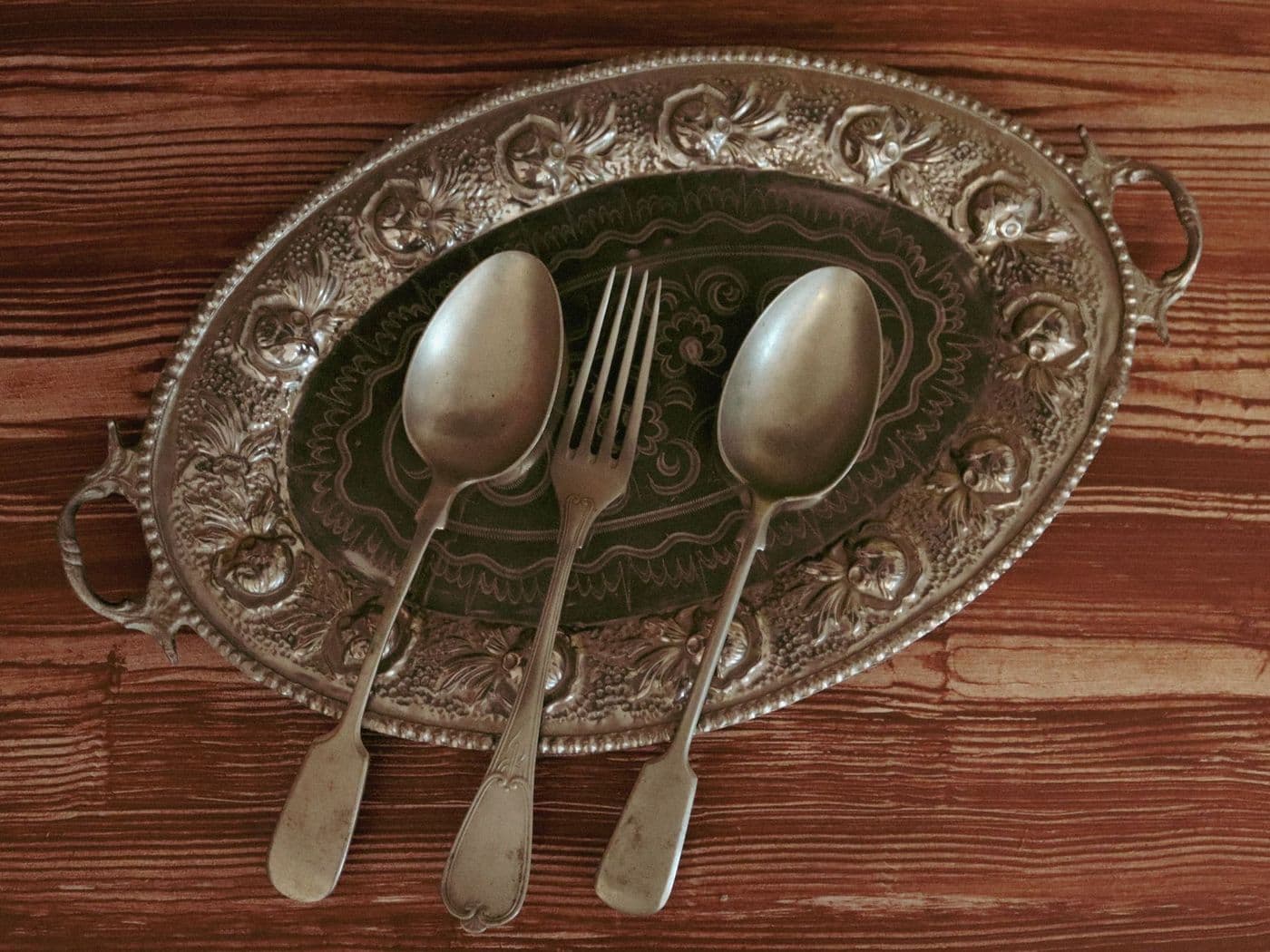
Not every shiny item is solid silver. Silver plate has a thin layer of silver over a base metal such as copper, nickel or brass. Typical plate marks include letters like EPNS (electroplated nickel silver), EPBM (electroplated Britannia metal) or maker names without any sterling symbols.
Look for the lion passant or 925 on sterling pieces. Wear on plate may reveal a yellowish or pink base metal on edges and high points, which does not occur on solid silver.
Worn, missing or doubtful marks
Over centuries, polishing can wear marks down until they are barely visible. Marks may also be hidden under a handle, rim or joint. Some pieces were made from imported or earlier items, and later additions such as a replaced spout or handle may not match the rest of the piece.
Be wary of marks that look crudely added, oddly placed or too large. In some cases, marks have been transferred from a smaller item to a larger one, which is illegal. A specialist can examine under magnification.
Cleaning and care
Silver tarnishes naturally. Wash with warm soapy water and a soft cloth, dry thoroughly and use a gentle silver polish when needed. Avoid over-polishing, which gradually wears away detail and marks.
For valuable or engraved items, consider leaving some soft patina in recesses, and ask a conservator about cleaning. Value depends on maker, age, weight and condition, so request a professional valuation rather than relying on weight or melt value alone.
Tip: Use a 10x magnifying loupe and a bright side light. Marks that look blank to the naked eye often appear clearly at an angle.
Frequently asked questions
Does a hallmark prove a piece is valuable?
No. A hallmark proves the metal and gives a date and place, but value also depends on maker, design, condition and demand.
Is 925 always sterling silver?
It indicates 92.5 per cent silver, which is the sterling standard, but you should still check the piece's overall quality and other marks.
What does EPNS mean?
It stands for electroplated nickel silver, meaning a base metal covered with a thin layer of silver. It is not solid silver.
Where can I get silver valued?
An auction house, a reputable dealer or an independent valuer can assess silver. Choose someone who specialises in silver.
Advertisement
General information only. Check product labels and manufacturer instructions before you start.
Keep reading
How to Tell if a Rug Is Hand-Knotted or Machine-Made
Check the back, fringe, pattern and knots to tell a hand-knotted rug from a machine-made one, and learn what age and wear clues really mean.
How to Tell Antique Glass from Modern Glass: Pontils, Seams and Clues
Use pontil marks, mould seams, wear and weight to tell antique glassware from modern copies, and learn why bubbles and a ring sound are unreliable.

How to Check Antique Furniture Before You Buy: A Buyer's Checklist
A practical checklist for inspecting antique furniture at shops, markets and auctions: structure, drawers, finish, repairs, smells and questions to ask.