How to Check Antique Furniture Before You Buy: A Buyer's Checklist
A practical checklist for inspecting antique furniture at shops, markets and auctions: structure, drawers, finish, repairs, smells and questions to ask.

Inspect the piece in good light and touch every part. Check structure and joints, open every drawer and door, look underneath and behind, sniff for mustiness, look for woodworm and repairs, and ask what is original. Take photos, measurements and a torch. Decide your maximum price before bidding or negotiating, and ask for a written description.
Buying antique furniture is exciting, and it is easy to get carried away by the look. A calm, methodical inspection protects you from expensive surprises and helps you spot genuine bargains.
This checklist works for shops, markets, house clearances and auction viewings. Take your time, and do not be shy about opening, turning over and measuring.
Bring the right kit
A few simple tools make a big difference to what you can learn.
- A torch for looking inside and underneath.
- A tape measure, so the piece actually fits your space and doorways.
- A small magnifying glass for tool marks and labels.
- A smartphone for photos of any marks, damage and repairs.
- A notebook for lot numbers, prices and questions.
Check the structure first
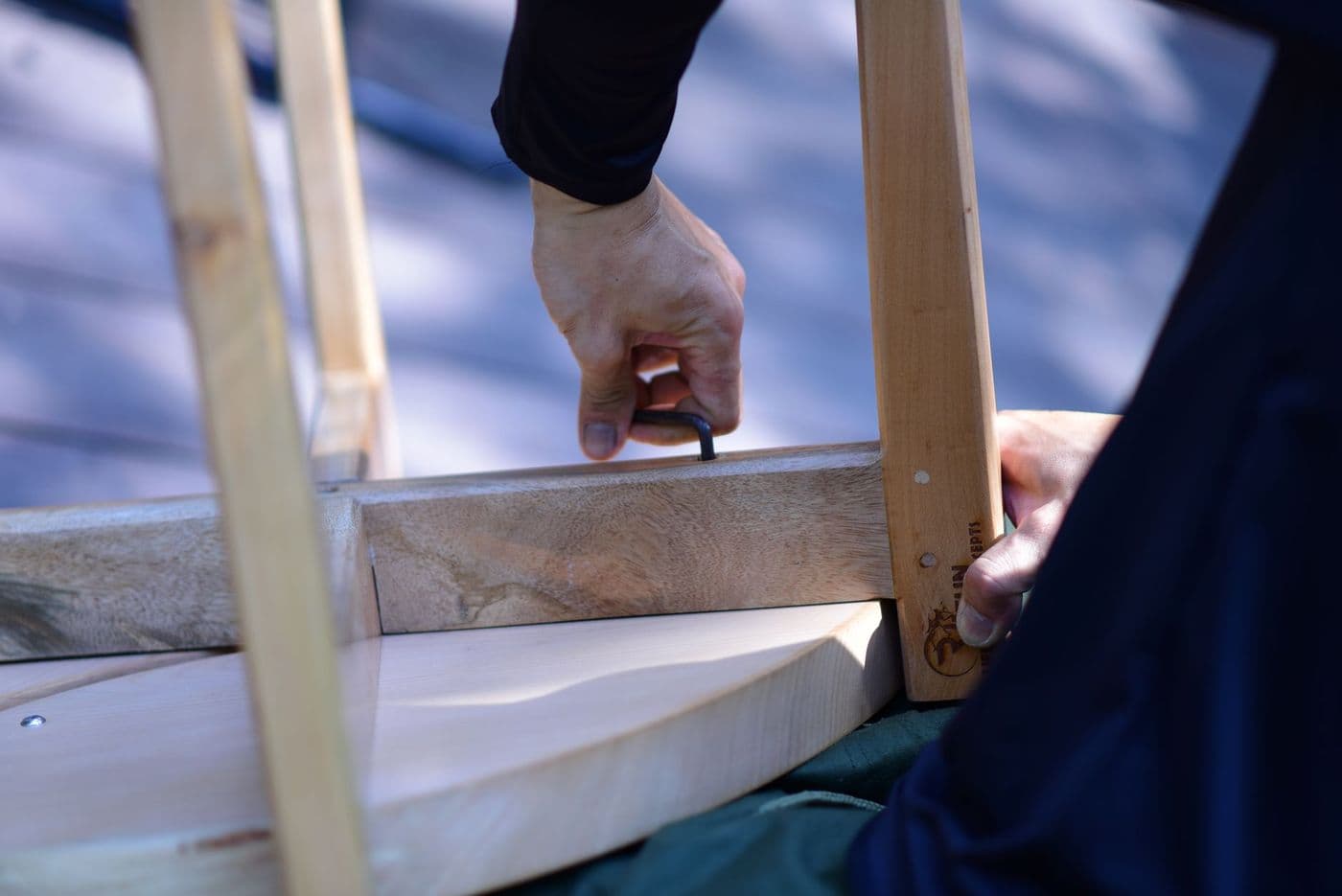
Press down gently on the corners of tables and chairs and look for wobble or racking. Gaps at the joints can mean dried glue or broken parts. Look for cracks in legs, rails and tops, and check that feet are level and present.
Examine the top for splits, warping or old repairs. Slight movement across the grain is natural in old wood, but large gaps and cupping call for closer inspection.
Sit on chairs and settees, and lean back gently to test the back rail. Lift small tables slightly to feel whether they twist. If you are allowed, try the piece in different positions so you notice movement that a static inspection would miss.
Take note of the smell and the temperature of the room where it is displayed. A piece kept in a damp shop corner may have hidden moisture problems that appear later at home.
Open every drawer and door
Drawers should slide reasonably smoothly. Look at the drawer sides and bottoms, the runners and the back. Wear on runners should be consistent, and drawers should fit their own openings.
Check hinges, locks and keys. Replacement hardware is very common and can be perfectly acceptable, but it should be disclosed and priced accordingly.
Look for signs of woodworm and damp
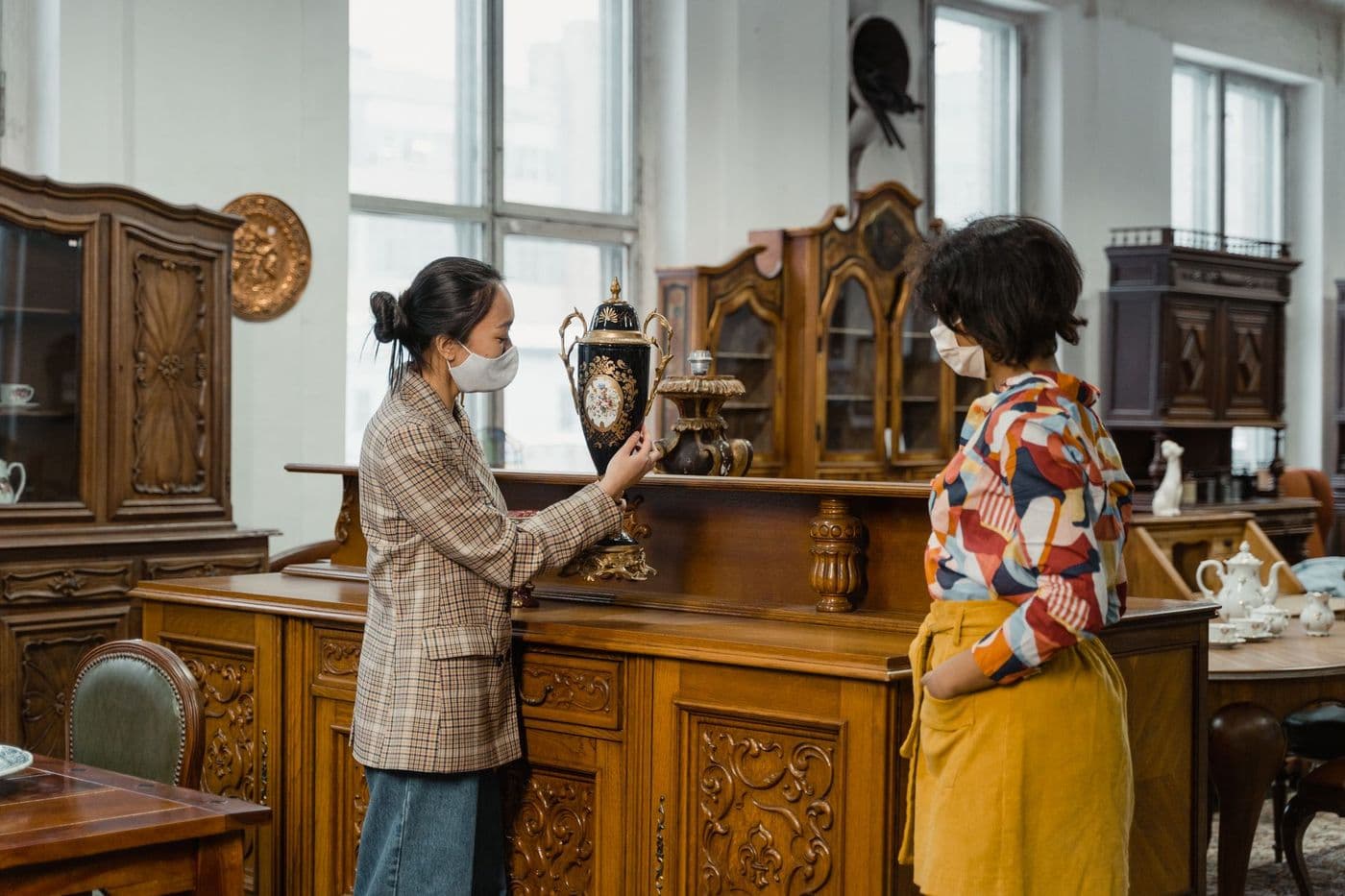
Small round holes with fresh pale dust underneath can indicate active woodworm; old holes that are dark and dirty may be historic. Check inside carcasses, on the backs and under seats, where infestation often hides.
Smell the piece, particularly the inside of cupboards and drawers. A strong musty smell can mean damp or mould, which is harder to treat. Avoid taking infested items home near other furniture.
Spot repairs and replaced parts
Repairs are normal on old furniture. What matters is how extensive and how well done they are. Look for differences in colour or grain between sections, new wood on legs, patches in veneer and added screws or glue blobs.
Ask the seller to explain restoration work. 'Fully restored' means different things to different people, so request specifics.
Judge the finish
Originality is prized, but a tired finish can also be freshened gently. Be cautious of surfaces that look too perfect or oddly glossy, which can hide damage or later treatment.
Check where a hand would naturally wear the finish: arms, edges and handles. Natural wear should feel logical and consistent.
Provenance, paperwork and returns
Provenance is the history of ownership, and any evidence of it adds to the story and often to the value. Old invoices, labels, photographs and family notes can all help, even if they are informal. Ask whether the seller has anything that supports their description of age and origin.
Check the return policy before paying. Dealers who belong to trade associations often follow codes of practice, while private sales and auction purchases are usually final. Keep your receipt and take clear photos of the piece as bought.
Ask the right questions and agree terms
Ask about provenance, previous owners, age, repairs and returns. A good dealer should put key points in writing. At auction, read condition reports and attend the viewing in person where possible, since photos hide a lot.
Set a limit before you bid, and remember to include buyer's premium, taxes and transport in your budget. For high-value pieces, a specialist's opinion is worth the fee.
Tip: Walk away if the seller will not let you turn the piece over or open drawers. Anything worth buying can withstand a proper inspection.
Frequently asked questions
Is it okay to buy antique furniture with woodworm?
Old, inactive woodworm holes are common and often harmless, but active infestation needs treatment and isolation. Ask a restorer or pest professional if unsure.
Should I buy a restored piece?
It depends on the quality and honesty of the restoration. Good, reversible work can be fine. Heavy refinishing or hidden repairs lower both value and trust.
How do I negotiate on antiques?
Be polite, point out genuine issues and ask whether the price can be reduced. Dealers often have some flexibility, particularly on pieces that need work.
Do I need a professional to inspect it?
For high-value or complicated pieces, yes. A specialist or independent appraiser can spot issues you may miss.
Advertisement
General information only. Check product labels and manufacturer instructions before you start.
Keep reading

How to Tell if a Rug Is Hand-Knotted or Machine-Made
Check the back, fringe, pattern and knots to tell a hand-knotted rug from a machine-made one, and learn what age and wear clues really mean.

How to Tell Antique Glass from Modern Glass: Pontils, Seams and Clues
Use pontil marks, mould seams, wear and weight to tell antique glassware from modern copies, and learn why bubbles and a ring sound are unreliable.
How to Read Antique Silver Hallmarks: A Beginner's Guide
Learn what British silver hallmarks mean: standard mark, town mark, date letter and maker's mark, plus how to spot silver plate and when to ask an expert.