How to Store Antique Furniture Safely: Wrapping, Space and Conditions
Store antique furniture without damage: choose a dry, stable space, wrap with breathable materials, keep it off the floor and check on it regularly.
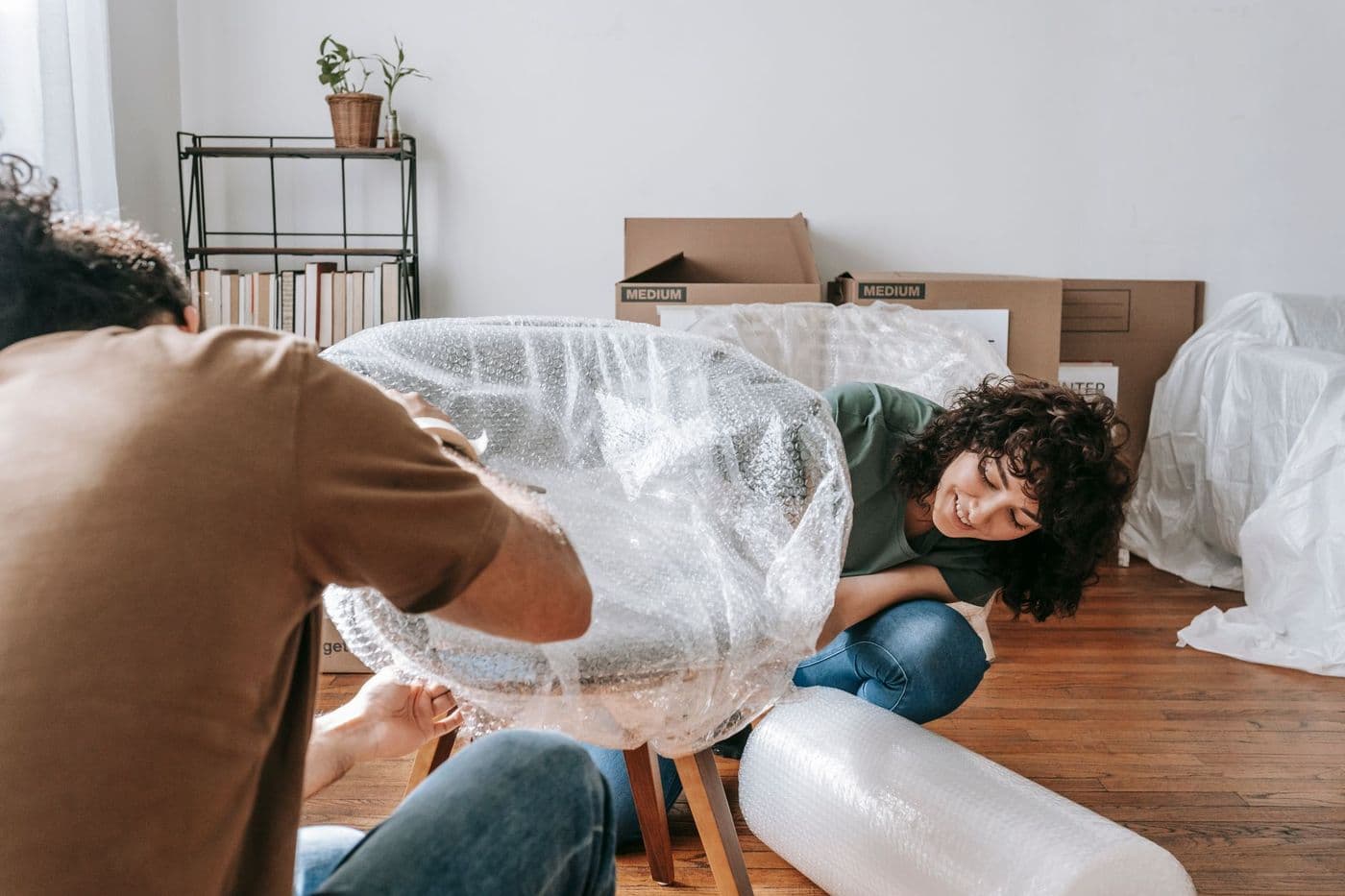
Choose a clean, dry, temperature-stable space away from damp, sunlight and pests. Clean and empty the furniture, wrap it in breathable cotton sheets or blankets (not plastic against the wood), raise it off the floor, leave air gaps, and check on it regularly. Avoid garages, attics and unheated sheds if possible.
Sometimes antique furniture has to be put away: a house move, a renovation or an inherited piece with no space yet. Storage is where a lot of avoidable damage happens, usually from damp, heat swings and tight wrapping.
A little planning protects the piece and the finish while it waits for a new home.
Pick the right environment
The best storage is indoors, dry, clean and reasonably steady in temperature. Attics get very hot, garages and sheds tend to be damp and cold, and basements can flood. These swings stress joints and finishes.
If you use a commercial storage unit, ask whether it is climate-controlled and how it deals with damp and pests. Visit the space and look for signs of moisture or leaks.
Security matters as well. Choose a space with decent access control, and avoid storing furniture where water pipes run overhead. Ask about fire protection and check the lease terms about liability for damage.
Prepare the piece
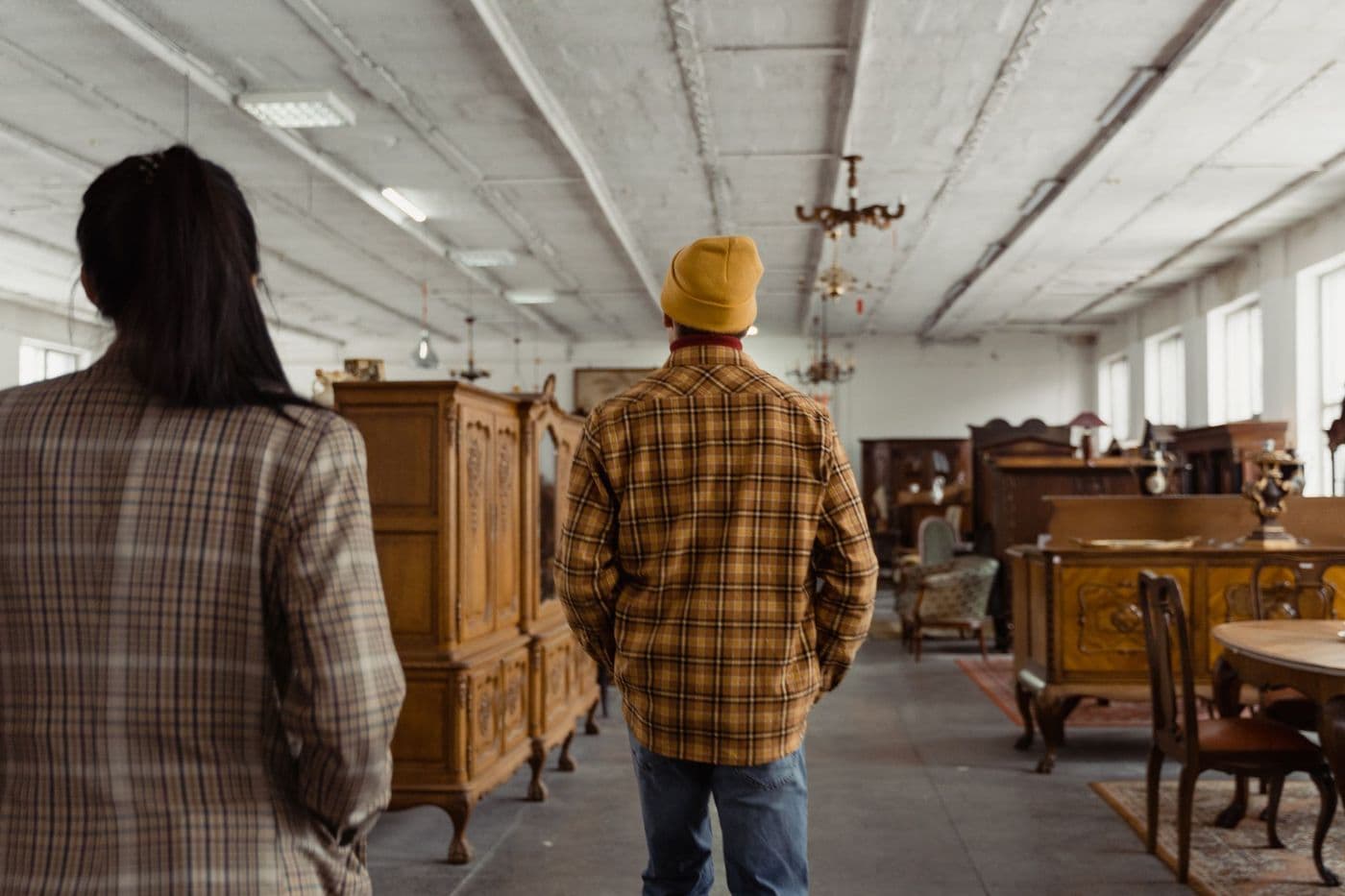
Clean the furniture lightly and dry it fully before storing. Remove contents, since drawers full of items add weight and may harbour moisture or insects. Take out loose shelves, and secure or remove glass panels and mirrors with care.
Photograph the piece from every angle, noting existing damage. Pack loose hardware in labelled bags and tape them to the back or keep them somewhere safe.
Wrap with breathable materials
Wood needs to breathe. Wrapping in plastic film or bubble wrap directly against the surface traps moisture and can damage finishes or encourage mould. Use clean cotton sheets, moving blankets or acid-free paper as the first layer.
If you need an outer waterproof layer for transport, remove it once the furniture is in storage or use it only loosely, leaving ventilation.
Tape and ties should never touch the finish. Over time, adhesive can pull off polish or leave stains that are difficult to remove, and tight straps can leave pressure marks on soft finishes and carved details. If you need to secure wrapping, tie it loosely around the outside of the padding.
- Wrap delicate edges and corners with extra padding.
- Tie wrapping loosely with soft tape or cotton ties.
- Avoid sticky tape directly on the wood or finish.
- Use corner protectors for tables and cabinets.
Lift it off the floor
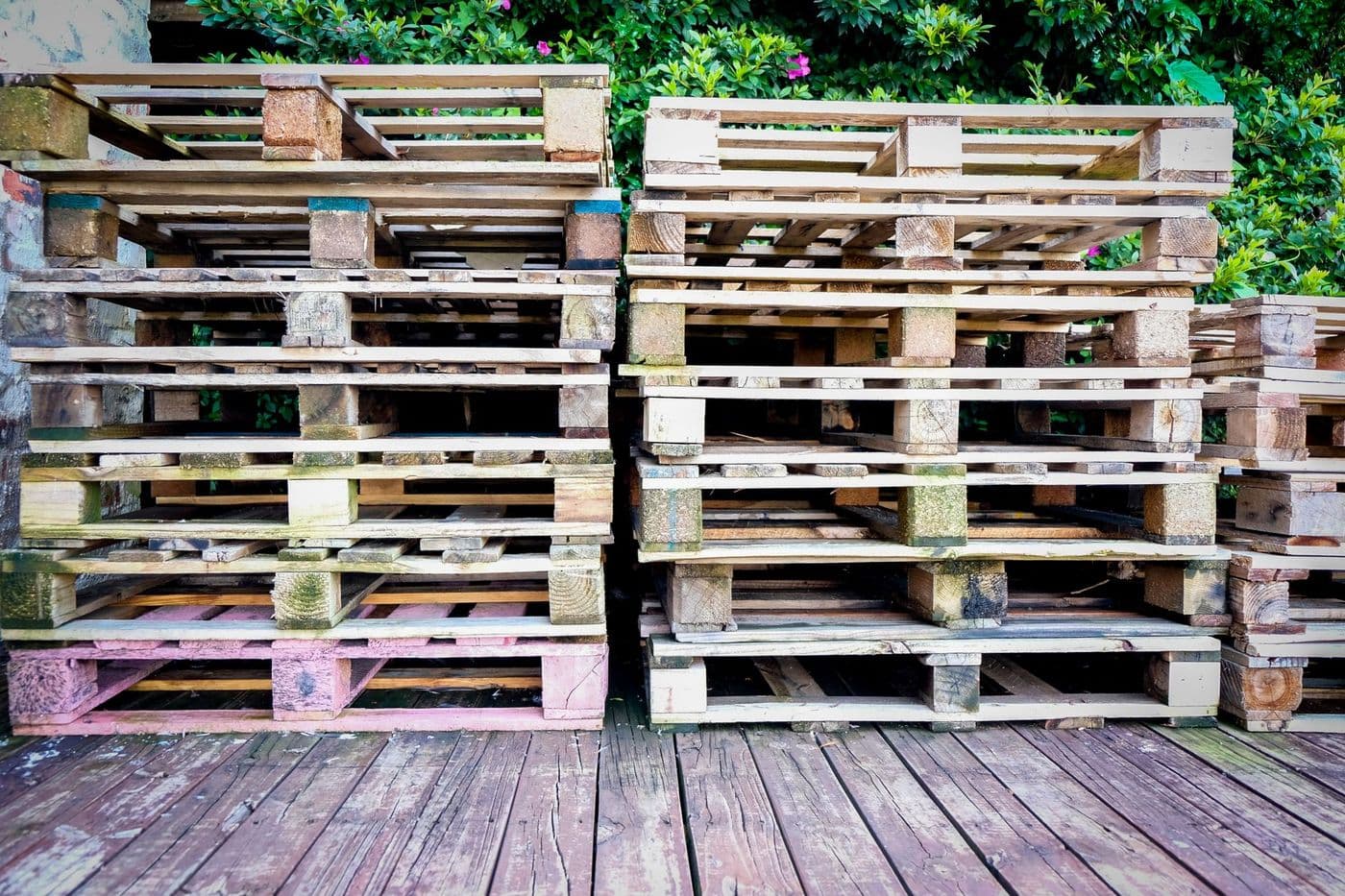
Place furniture on pallets, blocks or blankets so it does not sit directly on cold or damp concrete. Leave a small gap between pieces and walls for air circulation.
Do not stack heavy items on top of fragile pieces. Tables can be stored upright on their sides with padding, with legs protected, but avoid resting them on delicate veneer edges.
Think about pests and damp
Check that the storage area has no signs of rodents, moths or woodworm. Absorbent silica gel or a dehumidifier in the space can help keep humidity in check.
Avoid scented mothballs or sprays directly on furniture. A clean, dry environment is the best deterrent.
Check on it regularly
Visit the stored furniture every few months. Look for mildew, damp patches, insect activity and any changes in the wood or finish. Re-wrap if needed and adjust conditions.
If you notice a problem, deal with it early. It is easier to fix a damp spot than a spreading mould problem.
Special care for different types of furniture
Different pieces have different weak spots. Tables should be stored with legs protected, and large leaves laid flat and supported. Cabinets should have doors secured with soft ties so they cannot swing and break glass or hinges. Chairs can be gently protected by padding the arms and back, and placed carefully so stacking does not twist frames.
Upholstered pieces need extra protection from dust, pests and damp. Cover them with a breathable cotton sheet and check them regularly for moth activity, especially if the fabric is wool or silk.
Moving it in and out
Always lift furniture rather than dragging it, and use two or more people for large pieces. Remove drawers and doors and carry them separately. Do not lift by arms, handles or table leaves.
For valuable antiques, consider specialist movers who handle fine furniture and can advise on packing and insurance.
Tip: Check your insurance. Many standard policies exclude or limit cover for items in storage, so confirm what is covered before you move anything.
Frequently asked questions
Can I use plastic wrap to protect antique furniture?
Not directly on the wood. It traps moisture and can cause mould or finish damage. Use breathable fabrics first.
Is a garage okay for storing antiques?
It is best avoided because of damp and temperature swings. If it is your only option, raise the furniture and monitor it closely.
How often should I check stored furniture?
Every few months is a sensible routine, and more often after wet weather or a heating season.
Should I polish furniture before storing it?
A light clean is enough. A thin wax coat can protect the surface, but heavy polishing traps dust and residue.
Advertisement
General information only. Check product labels and manufacturer instructions before you start.
Keep reading
How to Identify an Old Wood Finish: Shellac, Lacquer, Varnish or Wax
Use simple spot tests to work out whether an old furniture finish is shellac, lacquer, varnish or wax, so you can clean and repair it the right way.

How to Repair Lifting or Bubbled Veneer on Old Furniture
Fix lifting corners and blisters in old veneer with careful cleaning, glue and clamping, and learn when veneer damage needs a restorer.
How to Fix Loose Chair Joints with Hide Glue
Repair a wobbly antique chair the traditional way: diagnose the loose joint, clean out old glue, use reversible hide glue and clamp it correctly.