How to Identify an Old Wood Finish: Shellac, Lacquer, Varnish or Wax
Use simple spot tests to work out whether an old furniture finish is shellac, lacquer, varnish or wax, so you can clean and repair it the right way.
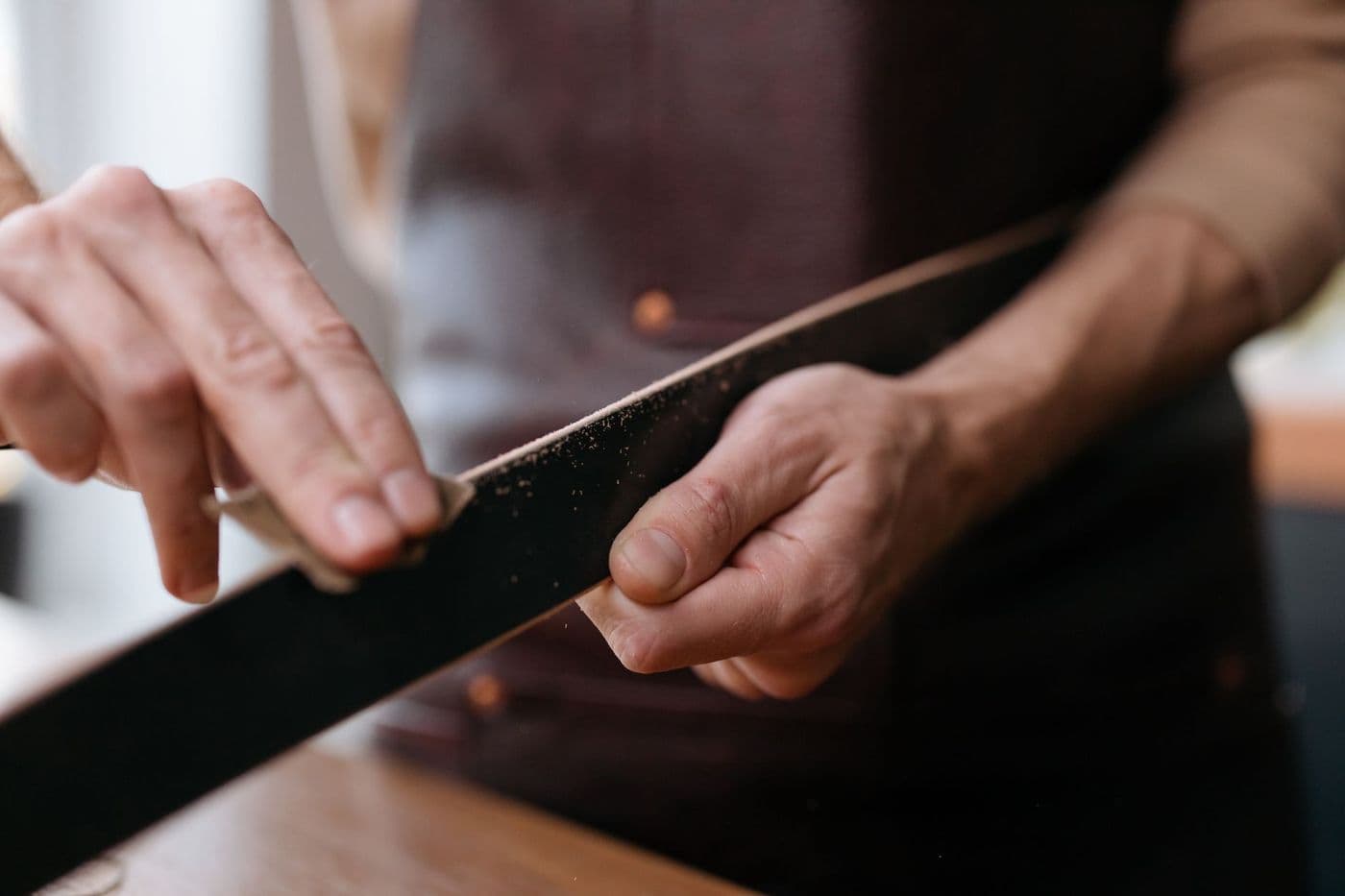
Test a hidden spot with a cotton swab. Denatured alcohol softens shellac, lacquer thinner softens lacquer, and varnish or polyurethane resists both. Wax can feel soft and greasy and may be removed with mineral spirits. Knowing the finish tells you what cleaning and repair methods are safe, and it should be done sparingly and only in an inconspicuous place.
Before you clean or touch up an old piece, it helps to know what is on the surface. A product that gently revives one finish can cloud or dissolve another.
A few simple tests in a hidden spot give you a good idea of what you are dealing with. They are not laboratory-exact, but they are safe starting points.
Why identify the finish?
Different finishes react differently to solvents, heat and water. Shellac, for example, is easily marked by alcohol and heat but is also easy to repair. Varnish and polyurethane are tougher but harder to blend. Applying the wrong cleaner can strip or smear a delicate surface.
Identification also helps you judge age. Shellac was widely used on furniture for centuries, nitrocellulose lacquer became common in the 20th century, and modern synthetic finishes are more recent.
Choose a hidden test spot
Pick an inconspicuous area, such as the underside of a table, the back of a leg or the inside of a drawer front. Make sure it is a finished surface, not bare wood, or the result will be misleading.
Use a cotton swab or a small corner of a clean cloth, apply a tiny amount of solvent, and watch for 10 to 30 seconds. Wear gloves, work in a ventilated room and keep solvents away from flames.
The alcohol test for shellac
Dab denatured alcohol (methylated spirits) on the swab and press it gently to the surface. If the finish softens, becomes tacky or dissolves quickly and the swab picks up colour, it is likely shellac.
Shellac is traditionally associated with older furniture and French polishing. Its sensitivity to alcohol is why spilled drinks sometimes leave white marks on old tables.
The lacquer test
If alcohol does little, try lacquer thinner on a fresh swab. Nitrocellulose lacquer typically softens or dissolves with lacquer thinner. Lacquer usually has a thin, hard, smooth feel and became widespread from the 1920s onward.
Use solvents in tiny amounts. Lacquer thinner is strong and can quickly damage finishes and plastics.
Varnish, polyurethane and oil
Finishes that resist both alcohol and lacquer thinner are probably varnish, polyurethane or a catalysed finish. These are tougher and form a thicker, more plastic-like film. Oil finishes soak into the wood and feel natural rather than glossy, and they often darken over time.
Polyurethane became common in the mid-20th century, though exact dates vary. If a finish looks very glossy and thick, it may also be a later refinish rather than the original surface.
Wax
Wax finishes feel soft, slightly greasy and warm under the thumb, and a rub with a soft cloth often brings up a gentle shine. A small amount of mineral spirits on a swab may lift wax and leave a dull patch behind.
Many antiques have a shellac or varnish base with wax on top, so you may see more than one reaction.
Remember that wax can hide the true finish below. If a swab turns waxy and cloudy but the surface underneath remains tacky, repeat the test after removing wax with a little mineral spirits on a fresh swab. Always allow a test spot to dry fully before judging.
Limits of simple tests
Spot tests are helpful but not infallible. Old furniture often has layers: a shellac finish may be coated with wax, varnish or modern polish, and earlier repairs may have used different products. Results can vary between areas of the same piece.
Aged finishes also react slowly, so wait a little before judging a result. If you see different reactions in different places, treat the piece as having mixed finishes and choose the gentlest cleaning method. For anything of value, a conservator can identify finishes with proper analysis rather than guesswork.
What to do with the result
Use the result to guide cleaning and repair: gentle damp cleaning for tough finishes, no alcohol-based cleaners on shellac, and professional help for delicate or valuable surfaces.
If the tests are unclear or the piece is valuable, ask a conservator or experienced restorer. They can analyse the finish and recommend appropriate treatment.
Tip: Stop a test immediately if the finish softens more than expected. Wipe with a dry cloth and let it recover before trying anything else.
Frequently asked questions
Can I mix different finishes on one piece?
It is best to avoid it. Layering a new finish over an unknown old one can lead to peeling, clouding or poor bonding.
How do I know if the finish is original?
Look for age-appropriate wear, fine crazing in shellac, and differences in finish colour in places like drawer interiors. A restorer can help confirm.
Is it safe to test solvents on an antique?
A tiny test in a hidden area is common practice, but valuable pieces should be assessed by a conservator first.
What do white rings on a table mean?
They are often moisture trapped in a finish such as shellac or lacquer. Treatment depends on the finish, so identify it first.
Advertisement
General information only. Check product labels and manufacturer instructions before you start.
Keep reading
How to Store Antique Furniture Safely: Wrapping, Space and Conditions
Store antique furniture without damage: choose a dry, stable space, wrap with breathable materials, keep it off the floor and check on it regularly.
How to Repair Lifting or Bubbled Veneer on Old Furniture
Fix lifting corners and blisters in old veneer with careful cleaning, glue and clamping, and learn when veneer damage needs a restorer.
How to Fix Loose Chair Joints with Hide Glue
Repair a wobbly antique chair the traditional way: diagnose the loose joint, clean out old glue, use reversible hide glue and clamp it correctly.