How to Read Furniture Makers' Marks, Labels and Stamps
Where to look for maker's marks on furniture, what stamps, labels and pencil marks usually mean, and why a label alone never proves a piece is genuine.
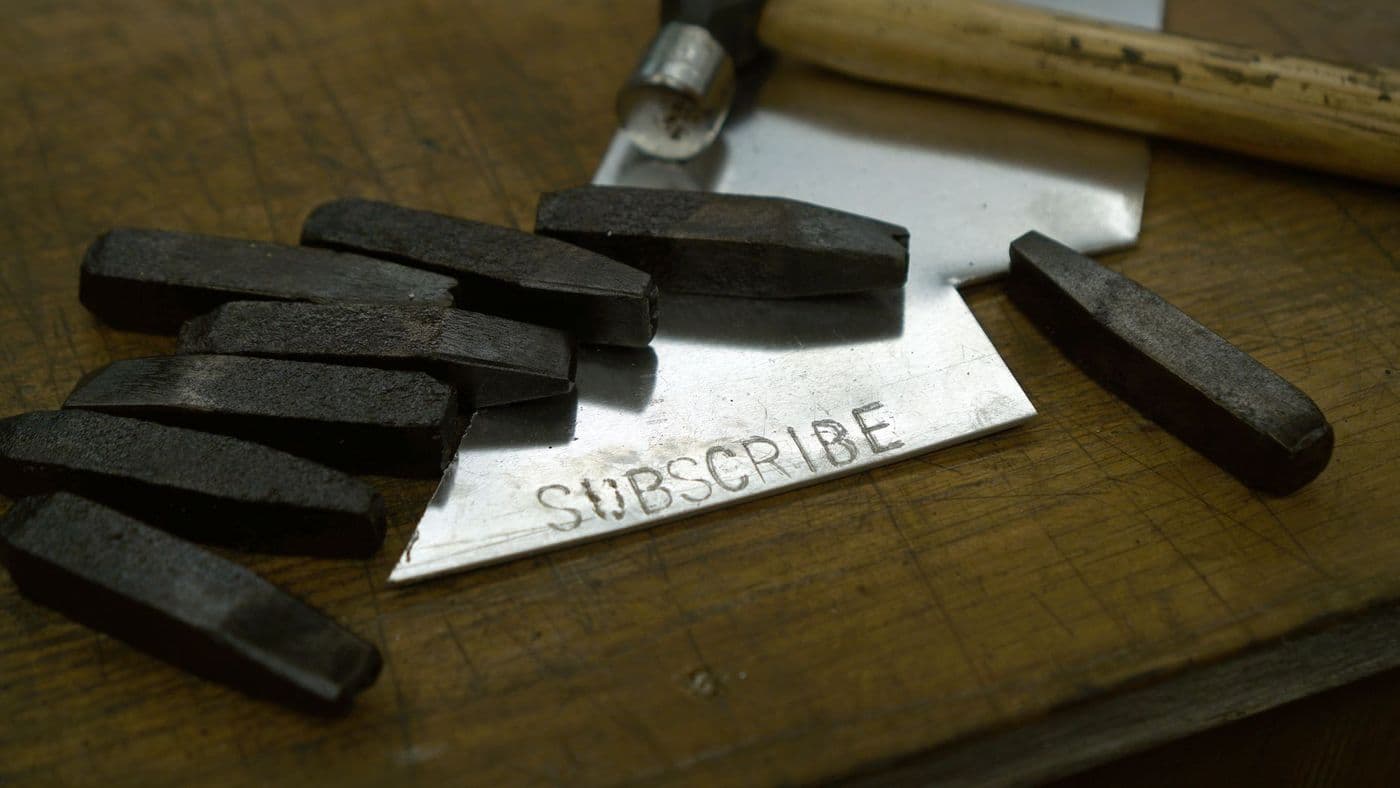
Check hidden surfaces: the back, the underside, drawer sides and bottoms, and the inside of cabinet doors. Look for branded or stamped names, paper labels, stencilled numbers and pencil or chalk notes. A mark helps narrow down who made or sold a piece, but labels can be added, moved or faked, so use them alongside construction and style clues rather than on their own.
Flip over a chair or pull out a drawer and you might find a stamp, a faded label or scribbled numbers. These small details can lead to a maker, a retailer or even the original owner, which is why collectors check for them before anything else.
Reading them correctly takes a little care, because not every mark names the person who built the piece. Some belong to the shop that sold it, the workshop foreman or a later restorer.
Where to look
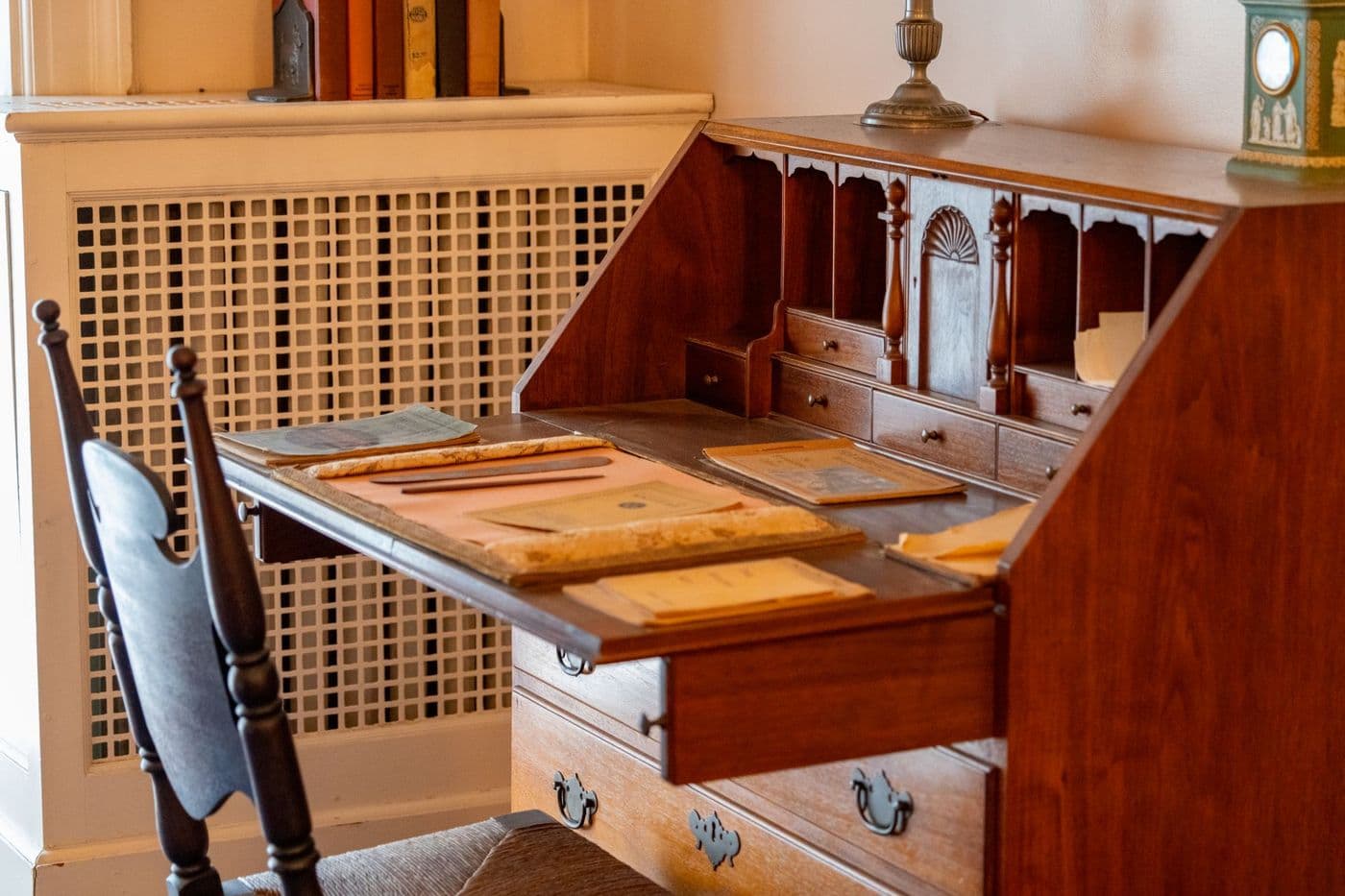
Makers rarely put marks where they would spoil the look of a piece. Check the back panel, the underside of the seat rails or table top, the top edge of a drawer side, the underside of a drawer bottom and the inside of a door or carcass.
On case furniture, look carefully along the back edges of drawer sides, where small stamps and incised letters were often placed. Use a torch and a magnifying glass, because old marks may be faint, dirty or covered in later finish.
The main kinds of mark
Marks fall into a few broad types, and knowing the difference prevents wrong conclusions.
- Stamped or branded names: pressed or burnt into the wood, often on a back leg or drawer edge.
- Paper or fabric labels: glued to the back or inside a drawer, often showing a business name and address.
- Stencilled or painted numbers: used in workshops and shops to track pieces and stock.
- Pencil, chalk or ink notes: assembly numbers, customer names or repair details.
- Metal plates: found on later furniture and on pieces with mechanical or patented features.
Maker versus retailer versus owner

A name on a piece is not always the maker. Large firms often sold furniture built by outside workshops, and department stores and retailers added their own labels. A stamp might show who sold the item, a repairer who worked on it or an owner who wanted to keep track of their belongings.
Numbers can be assembly marks, so that drawers and parts go back together correctly, rather than anything to do with value. Roman numerals cut with a chisel on joints are usually exactly that.
Registration and patent marks
Some British furniture and fittings carry a diamond-shaped design registration mark, used between 1842 and 1883, which codes the date the design was registered. Later pieces may show a registered design number or a patent number. These can help date a piece, but you need a reliable reference for decoding them, as the format changed over time.
Patent marks also appear on mechanisms such as extending table screws, castors and folding systems. They tell you when that mechanism was protected, which may be earlier than the piece itself.
Well-known names and how to treat them
Many well-known makers and retailers, from historic cabinetmaking firms to 20th-century manufacturers, marked their work with stamps or labels. Research the exact style of mark, because firms changed their labels over time and the design of a label can help narrow the date.
Because famous names add appeal, labels are sometimes forged, transferred from another piece or added to improve a sale. Be sceptical of a pristine label on a heavily worn piece, or a stamp that looks fresh and sits oddly on the wood.
Why a mark is not proof
A mark is one piece of evidence. Check that the construction, timber, hardware and style are consistent with the maker and date it claims. Does the joinery match the period? Is the wear natural? Are there signs the piece has been altered or married together from several parts?
Genuine pieces can also be unmarked. Many skilled makers never signed their work, and marks are easily lost during polishing or repair.
Marks added later by restorers and dealers
Not every mark dates from the piece's original life. Restorers sometimes pencil dates or initials on repaired areas, and dealers add stock numbers or price codes in chalk or crayon. Auction houses attach lot stickers, and moving companies may add numbers. These are part of the piece's recent story and are generally harmless, but they should not be mistaken for the maker's identification.
How to record and research what you find
Photograph every mark in good light, with and without a ruler for scale, and note where on the piece it appeared. Rubbings and clear close-ups help when you ask for advice.
Local museums, specialist collectors' societies and auction house specialists can often help interpret unfamiliar marks. For valuation, rely on a qualified appraiser rather than internet matching alone.
Tip: Never scrub a label or stamp with cleaning products. Moisture and abrasion can remove paper labels and fade ink that may be the only evidence of origin.
Frequently asked questions
Does a label mean my furniture is valuable?
No. A label identifies a maker or seller, but value depends on quality, rarity, condition and demand. Labels can also be misleading, so confirm with a professional.
What if my furniture has no marks at all?
That is common, especially with older pieces. Rely on construction, wood, style and wear to estimate age and origin, and ask an appraiser if you think the piece is important.
Can I remove an old label to clean the piece?
It is better not to. Labels and stamps are historical evidence, and removing them can reduce interest and value. Clean carefully around them.
What do numbers cut into drawer sides mean?
They are often assembly marks that matched drawers to openings or parts to each other. They are usually workshop marks, not a serial number or date.
Advertisement
General information only. Check product labels and manufacturer instructions before you start.
Keep reading

How to Tell if a Rug Is Hand-Knotted or Machine-Made
Check the back, fringe, pattern and knots to tell a hand-knotted rug from a machine-made one, and learn what age and wear clues really mean.

How to Tell Antique Glass from Modern Glass: Pontils, Seams and Clues
Use pontil marks, mould seams, wear and weight to tell antique glassware from modern copies, and learn why bubbles and a ring sound are unreliable.
How to Read Antique Silver Hallmarks: A Beginner's Guide
Learn what British silver hallmarks mean: standard mark, town mark, date letter and maker's mark, plus how to spot silver plate and when to ask an expert.