How to Mix Vintage and Modern Furniture Without It Looking Messy
Practical rules for combining vintage and modern furniture: choose a link, balance scale and colour, vary eras and let one standout piece lead each room.
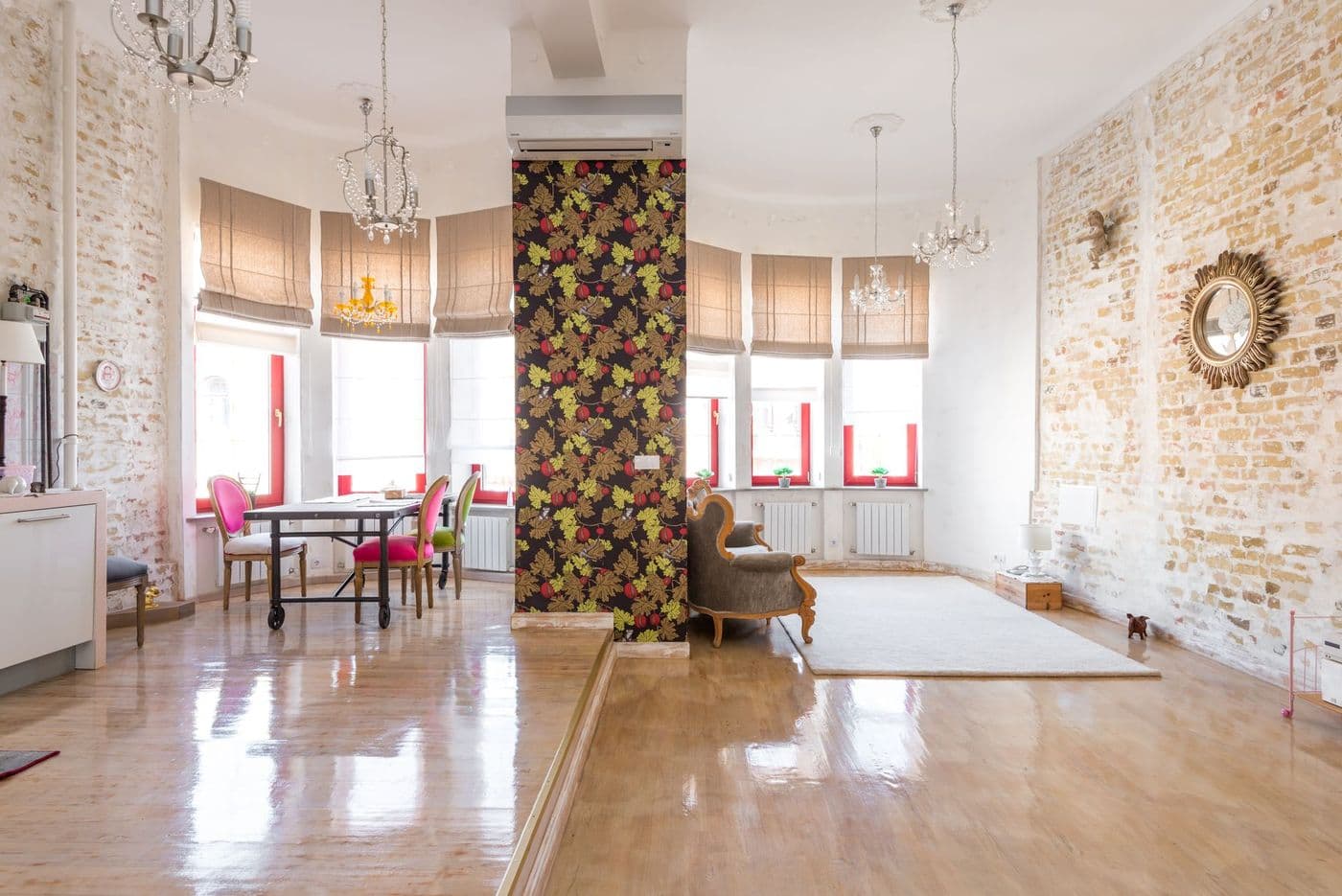
Choose a shared link such as colour, material or shape, let one statement vintage piece lead, keep proportions balanced, and anchor the room with simple modern basics. Limit competing statement pieces, repeat a few finishes and edit regularly. A blend works best when it looks collected over time rather than matched from a catalogue.
Rooms that mix old and new tend to feel personal and lived in. A dark antique sideboard looks fresher beside a clean-lined sofa, and a modern lamp can make a Victorian table feel current.
The challenge is avoiding a jumble. A few simple principles will help you build a look that feels deliberate.
Start with one anchor piece
Pick a single vintage or antique item to lead the room. It might be an old pine dresser, a carved mirror or a mid-century armchair. Build around it with calmer neighbours so it can be seen properly.
If you try to give several strong pieces equal prominence, they will compete. Think of one star and a supporting cast.
Find a common thread
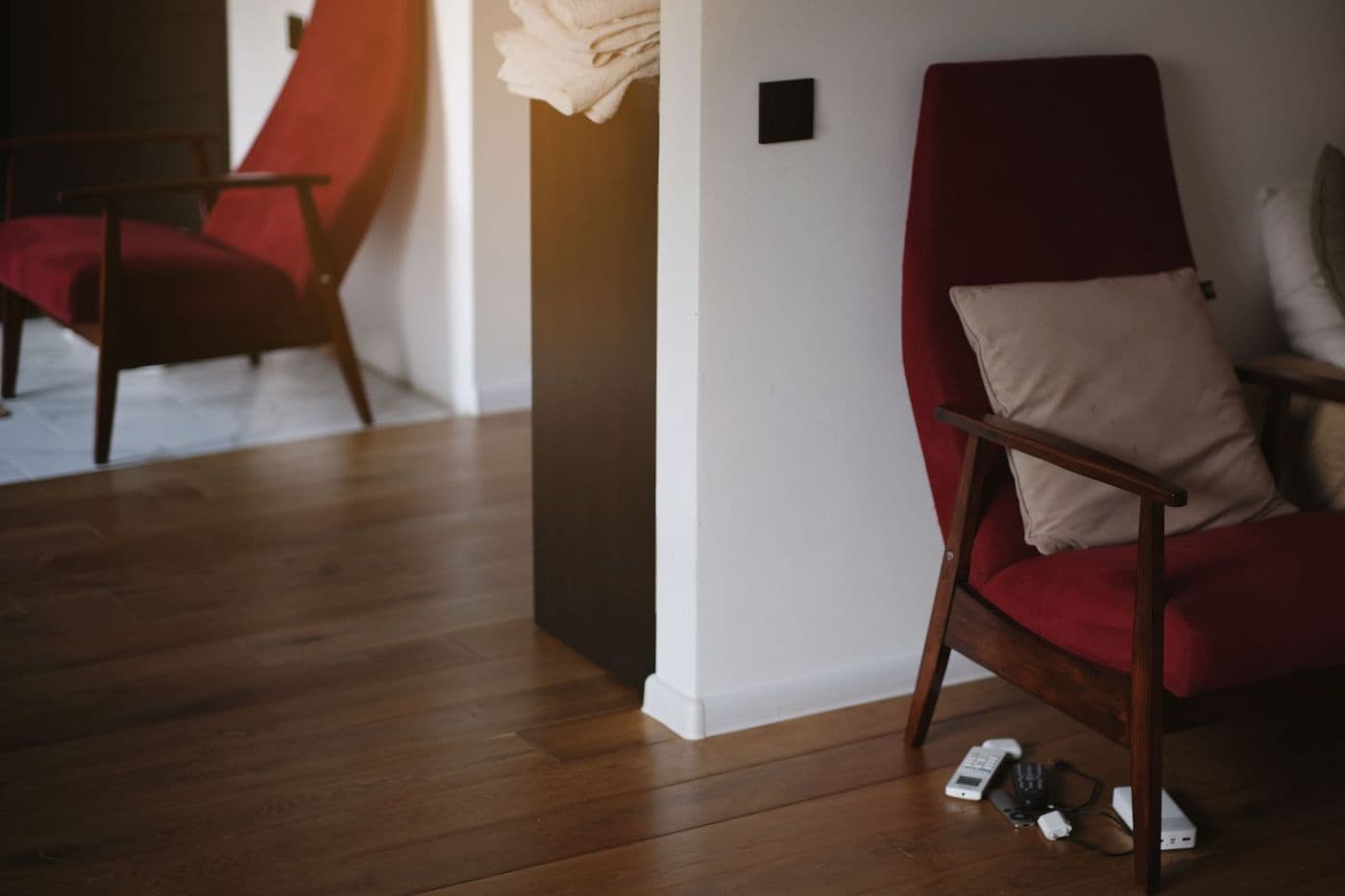
Mixed rooms need something that ties them together. This can be colour (repeat a tone from a rug in a cushion and a picture frame), material (wood tones or metal finishes), or shape (curves against straight lines).
Even two very different styles will sit comfortably together when they share a link. A limited palette is the simplest and most reliable method.
Think about period as a spectrum rather than a clash. A mid-century teak sideboard bridges antique and contemporary pieces naturally, because its simple lines suit both. Using such 'bridge' objects helps different styles feel like parts of one story.
Photograph each room and look for the single item that feels out of place. Often it is not the age of the piece but its colour or size that is wrong, and a small adjustment fixes it.
Balance scale and visual weight
Heavy, dark antiques can overwhelm a small modern room, while delicate vintage pieces can disappear in a large, open space. Check that furniture sizes feel balanced and leave breathing room around each piece.
Place a visually heavy item opposite something of similar weight, even if its style is different. A big antique wardrobe can be balanced by a large modern artwork or a long low sideboard.
Practical rules that help
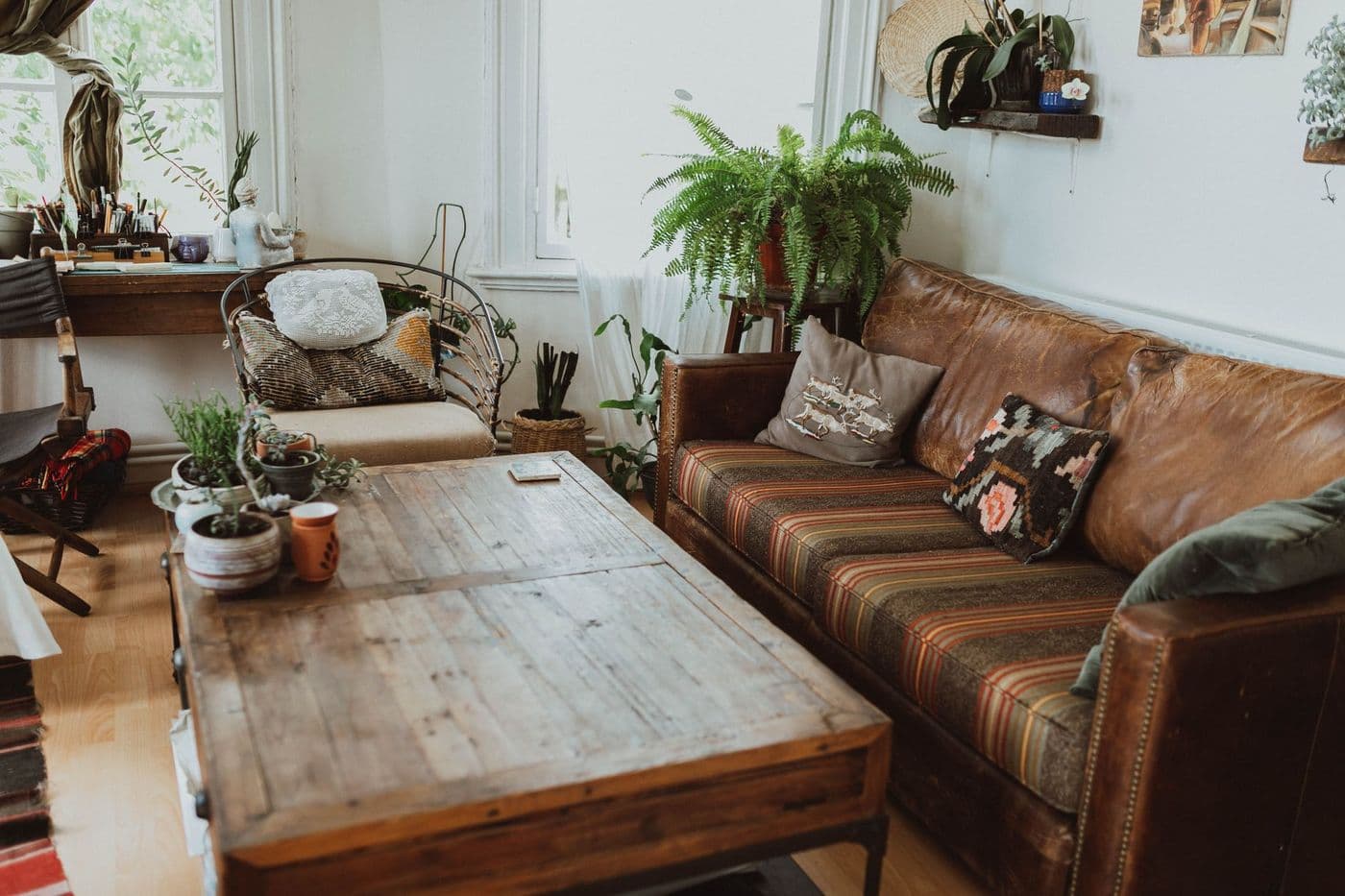
These guidelines keep eclectic rooms looking composed.
Work in odd numbers when grouping objects, vary heights and keep to a limited number of colours. A trio of different sized vases, one vintage and two modern, looks more relaxed than a perfectly matched pair. Always leave a clear route through the room so furniture does not block movement.
- Aim for a mix of eras, not just two.
- Use a plain, neutral backdrop on walls and floors.
- Repeat a finish, such as black metal or warm brass, in at least three places.
- Keep surfaces edited; leave some empty space.
- Contrast textures: smooth against rough, matte against glossy.
Updating old pieces respectfully
You can freshen vintage furniture with new cushions, new lamp shades or modern handles without harming its character. Be careful about painting or stripping valuable antiques, which can reduce value; consult a restorer first.
If a piece is worn but not valuable, painting or reupholstering it in a bold colour can bring it into a modern scheme.
Lighting, art and accessories
Lighting is a quick way to modernise. A contemporary pendant over an antique table, or a vintage lamp in a minimalist room, shows off both. Art works the same way: abstract prints suit traditional furniture, and traditional portraits can look striking on a plain wall.
Add plants and natural textiles to soften transitions between styles.
Frames and mirrors offer another bridge between periods. A plain modern frame around an old print, or an ornate gilt frame around a contemporary painting, creates contrast that feels deliberate. Choose frames that complement the artwork and the wall colour, and hang pieces at eye level so they are easy to enjoy.
Edit and live with it
Good mixed interiors evolve. Add pieces slowly, step back and remove anything that feels forced. A room that feels slightly empty is better than one overfilled to prove a point.
Sit in the room at different times of day. Notice what you reach for and what you ignore, and let that guide what stays.
Tip: Take a photo of the room and view it in black and white. If the shapes and weights look balanced without colour, the mix is working.
Frequently asked questions
Can I mix antique and modern in a small room?
Yes. Use fewer, smaller pieces, keep colours light and choose one antique with presence rather than many small ones.
Should wood tones match?
They do not have to, but look for a shared undertone, warm or cool, and vary shades deliberately rather than slightly mismatching them.
How many vintage pieces should I use?
There is no fixed number. A good start is one to three significant vintage pieces per room, balanced with simple modern items.
Is it okay to paint vintage furniture?
For inexpensive pieces, yes. For antiques that might be valuable, ask a restorer or appraiser first.
Advertisement
General information only. Check product labels and manufacturer instructions before you start.
Keep reading
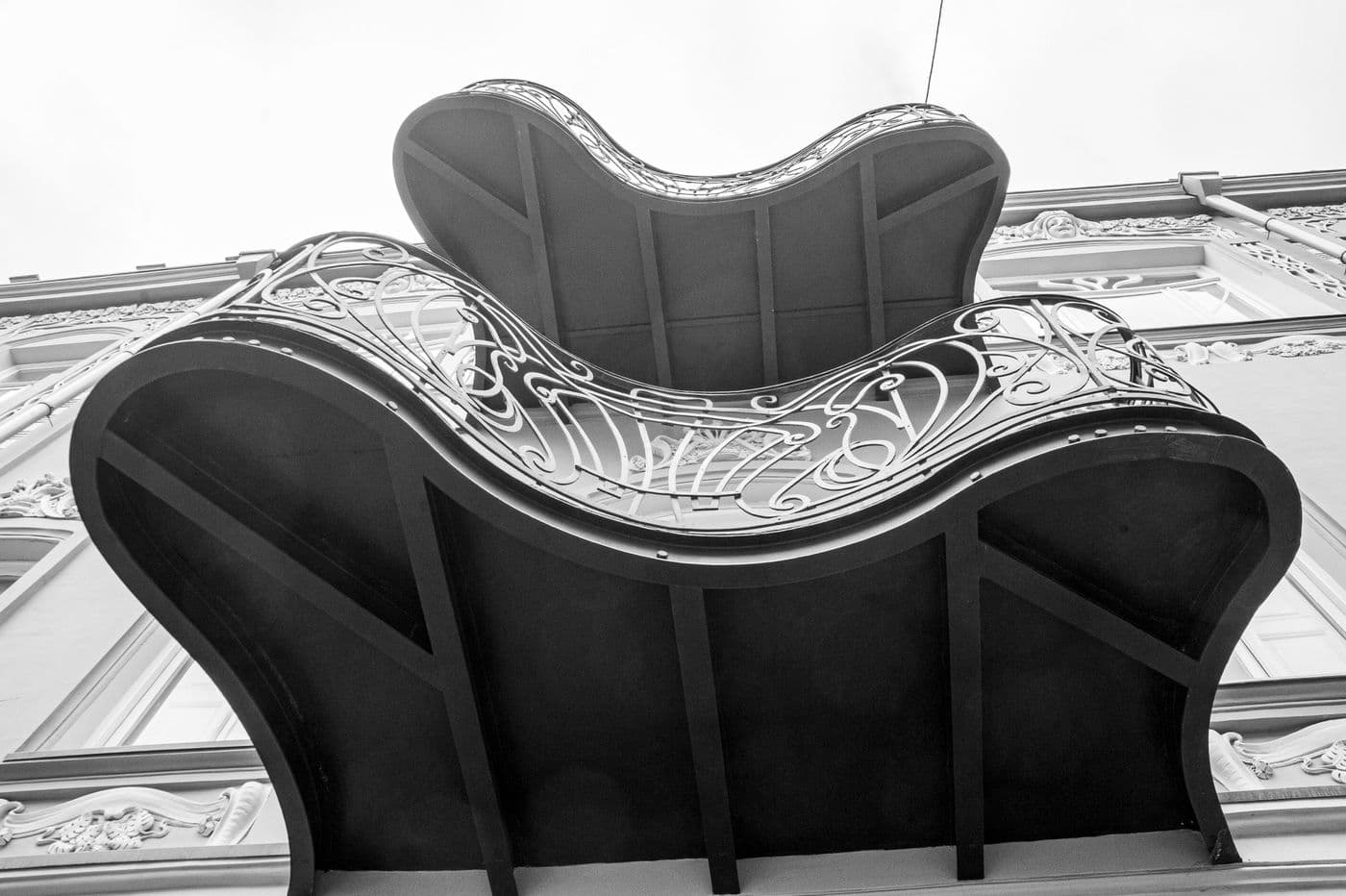
Art Nouveau vs Art Deco: How to Tell the Two Styles Apart
Art Nouveau and Art Deco are often confused. Compare their dates, curves versus geometry, materials and motifs to identify each style quickly.
Arts and Crafts Interiors Explained: Honest Materials and Handmade Detail
Discover Arts and Crafts interiors: their roots in the 1860s to 1920s, key ideas, typical oak furniture, tiles, textiles and how to bring them home today.
Georgian Interior Style Explained: Proportion, Colour and Furniture
What defines Georgian interiors? Learn the period dates, symmetrical rooms, sash windows, classic colours and typical furniture, and how to use them today.