Arts and Crafts Interiors Explained: Honest Materials and Handmade Detail
Discover Arts and Crafts interiors: their roots in the 1860s to 1920s, key ideas, typical oak furniture, tiles, textiles and how to bring them home today.
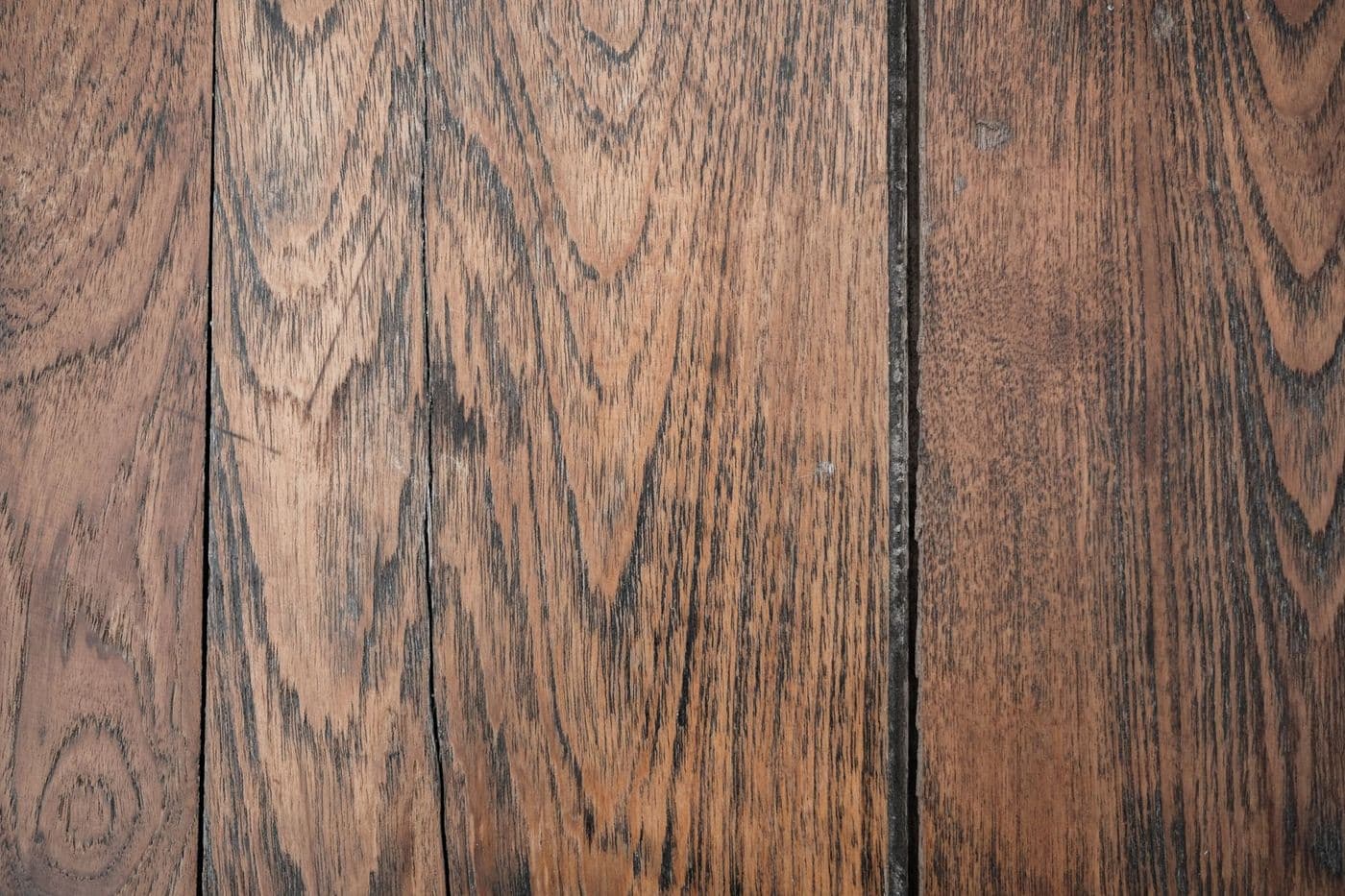
The Arts and Crafts movement (roughly 1860s to 1920) valued handcraft, honest materials and simple, well-made design as a reaction to industrial mass production. Interiors feature oak and other solid woods, visible joinery, hand-hammered metalwork, tiles, stained glass and nature-inspired textiles, with William Morris as the best-known figure.
Arts and Crafts design is about the dignity of making things by hand. It rejected over-ornamented, machine-made Victorian goods in favour of simplicity, utility and beauty drawn from nature and medieval craft.
Its influence spread from Britain across Europe and to North America, where related styles became known as Craftsman and Mission.
The big ideas
The movement grew from the writings of John Ruskin and the practical work of William Morris, whose firm, founded in 1861, produced furniture, wallpapers, textiles and stained glass. Followers believed that good design should serve everyday life, show how it was made and be created by skilled craftspeople.
Rather than hiding construction, makers celebrated it: exposed joints, visible pegs and tool marks were treated as virtues.
Furniture
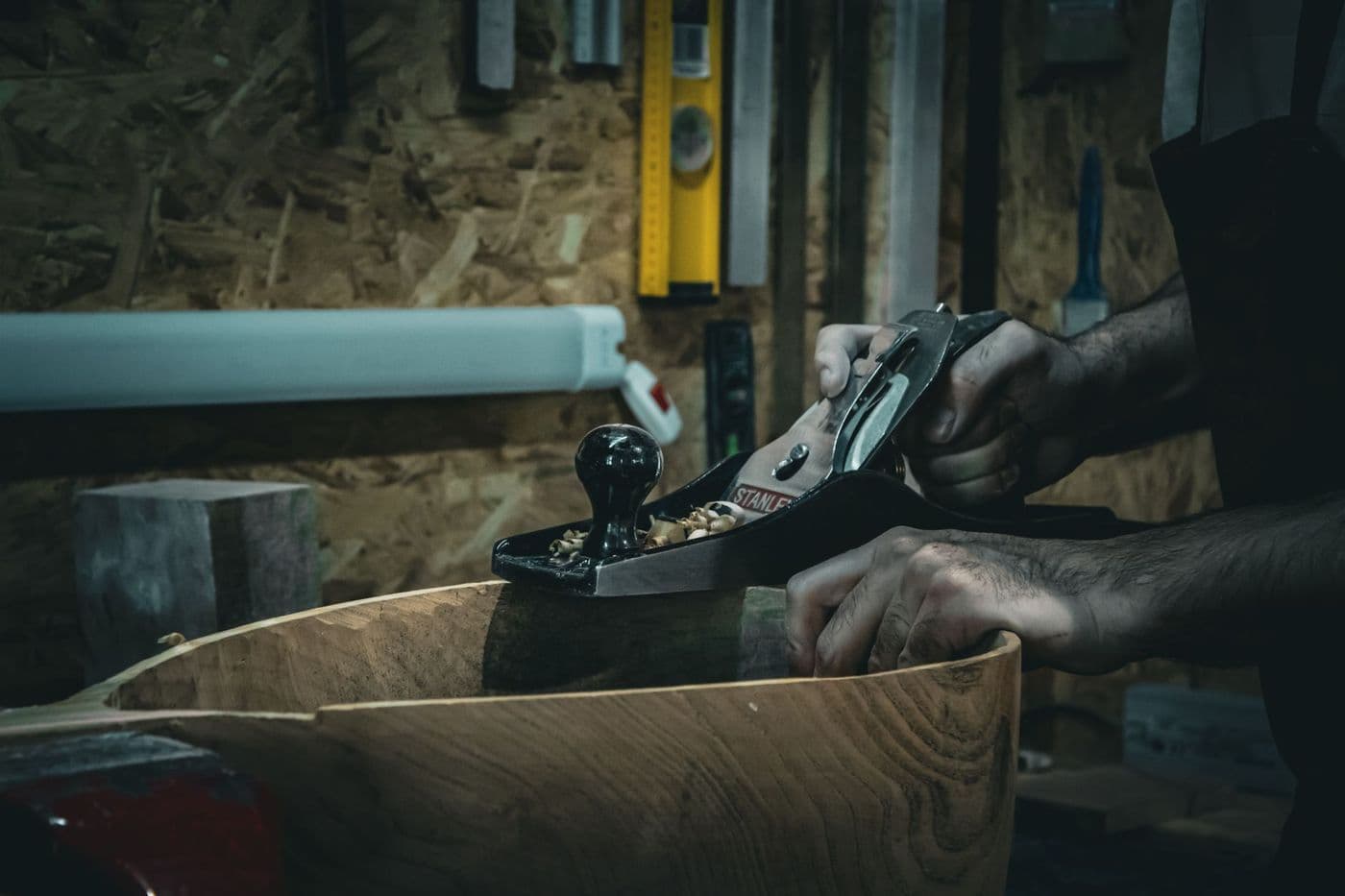
Arts and Crafts furniture is typically made from solid oak, ash, elm or walnut. Forms are simple and sturdy, often rectilinear with some gentle curves, sometimes with exposed mortise-and-tenon joints and decorative hardware in hammered copper or iron.
Look for slatted backs, rush or leather seats, straight legs and little applied ornament. In America, Gustav Stickley's Craftsman furniture from around 1900 is a well-known example of the style.
Makers such as Ernest Gimson and the Barnsley brothers in the Cotswolds, and firms like Heal's and Liberty, produced furniture and objects that carried the movement's ideas to a wider audience. Their work ranges from simple rural-style pieces to refined cabinets with inlay and carved detail.
Because the style was popular and is still widely imitated, look for evidence of hand finishing: slightly irregular surfaces, visible pegs and subtle tool marks that machines tend to remove.
Wallpapers and textiles
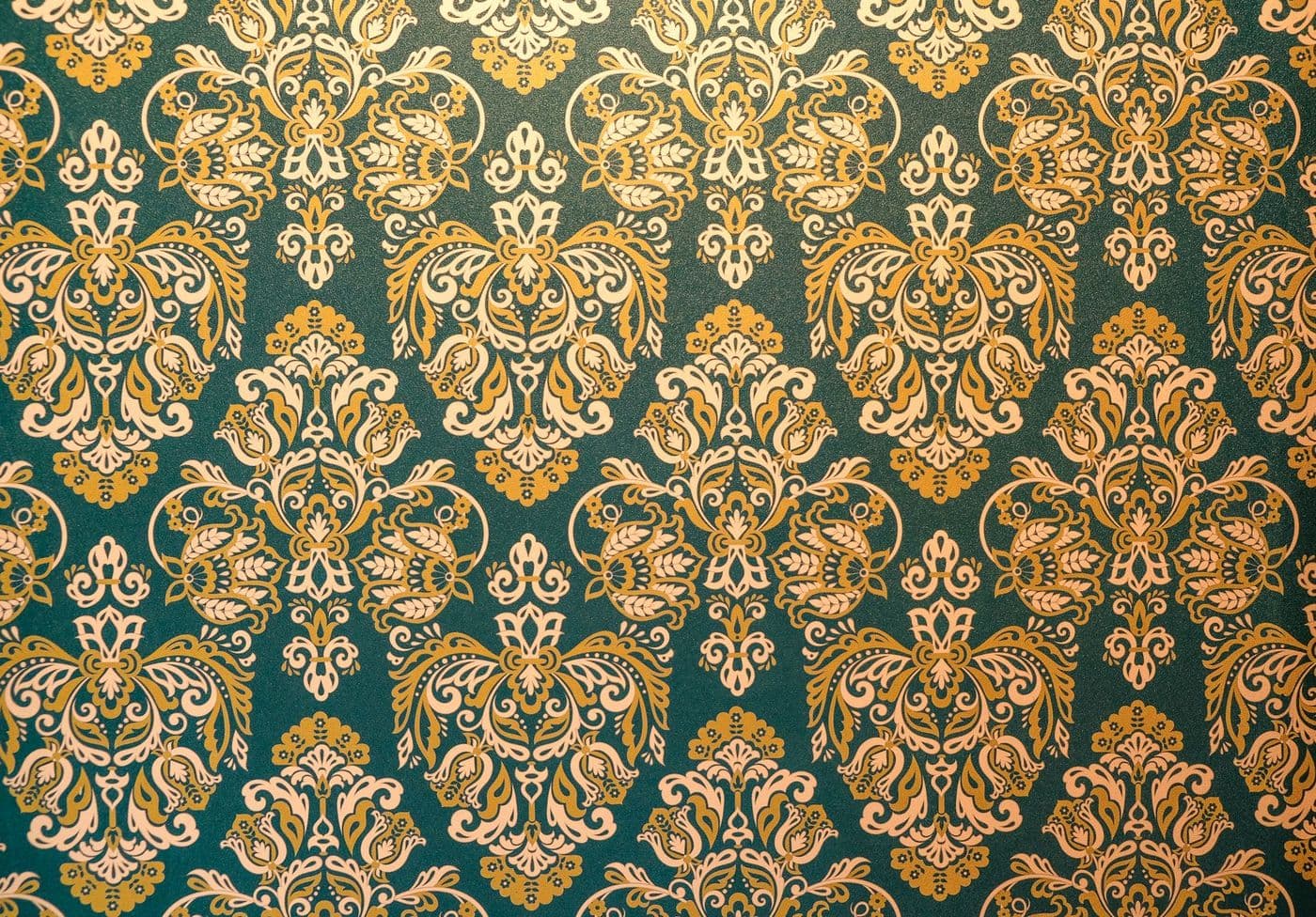
Nature is the main motif: flowers, birds, leaves and vines in flat, stylised, repeating patterns. Morris's designs used natural dyes and block printing in his firm's best work, and today's reproductions copy these patterns.
Fabrics tended to be woven wool, linen and embroidered textiles, often in earthy or deep jewel-like colours.
Tiles, metalwork and glass
Several details give the style its character.
Ceramic artists such as William De Morgan produced distinctive tiles with rich lustre glazes. Original tiles are collected, and reproductions are widely available. When restoring a fireplace or hall, retain original tiles where possible and replace missing ones with sympathetic matches.
- Hand-painted or glazed tiles, often with floral or heraldic patterns, used around fireplaces.
- Hammered copper, pewter and wrought iron in lamps, hinges and fire accessories.
- Stained and leaded glass in doors and windows.
- Inglenook fireplaces and built-in seating, which emphasise hearth and home.
Architecture and the home
Arts and Crafts houses often feature steep roofs, tall chimneys, casement windows, exposed timber and generous porches. Inside, panelling, built-in cupboards and window seats are common.
Many buildings from the period were designed as a whole, with furniture, fittings and decoration planned together.
Colour and mood
Typical colours are muted and earthy: sage green, ochre, russet, deep blue, warm brown and cream. The overall effect is warm and unpretentious, with texture and craftsmanship doing more of the work than bold colour.
Matte or low-sheen finishes suit the look better than very glossy surfaces.
Lighting in these interiors was often low and warm, from lamps with hand-made shades and metal bases. Natural daylight was valued, so windows were often generous and uncluttered. The aim was a comfortable, honest home, where each object had a clear purpose and a maker you could imagine.
Bringing the look into a modern home
Start with one or two well-made pieces, such as a solid oak table or a patterned textile, and keep the rest of the room calm. Choose natural materials, visible craftsmanship and good lighting with simple metal fittings.
Be aware that reproductions of famous designs are widely sold. If you are buying period pieces, check construction and ask about restoration, and consult an appraiser for significant examples.
Tip: Choose a single hand-made object, such as a pottery lamp base or a hammered bowl, and give it a prominent place. The style is about quality over quantity.
Frequently asked questions
Who started the Arts and Crafts movement?
It grew from the ideas of John Ruskin and was led in practice by William Morris and others in Britain in the second half of the 19th century.
Is Arts and Crafts the same as Mission or Craftsman?
They are related. Craftsman and Mission are American expressions of similar ideals, with their own typical forms.
What woods are typical?
Oak is the most common, along with ash, elm and walnut, usually in solid form with visible joinery.
Is Arts and Crafts furniture valuable?
Value varies widely by maker, quality and condition. Documented pieces from known workshops can be sought after, so ask a specialist.
Advertisement
General information only. Check product labels and manufacturer instructions before you start.
Keep reading
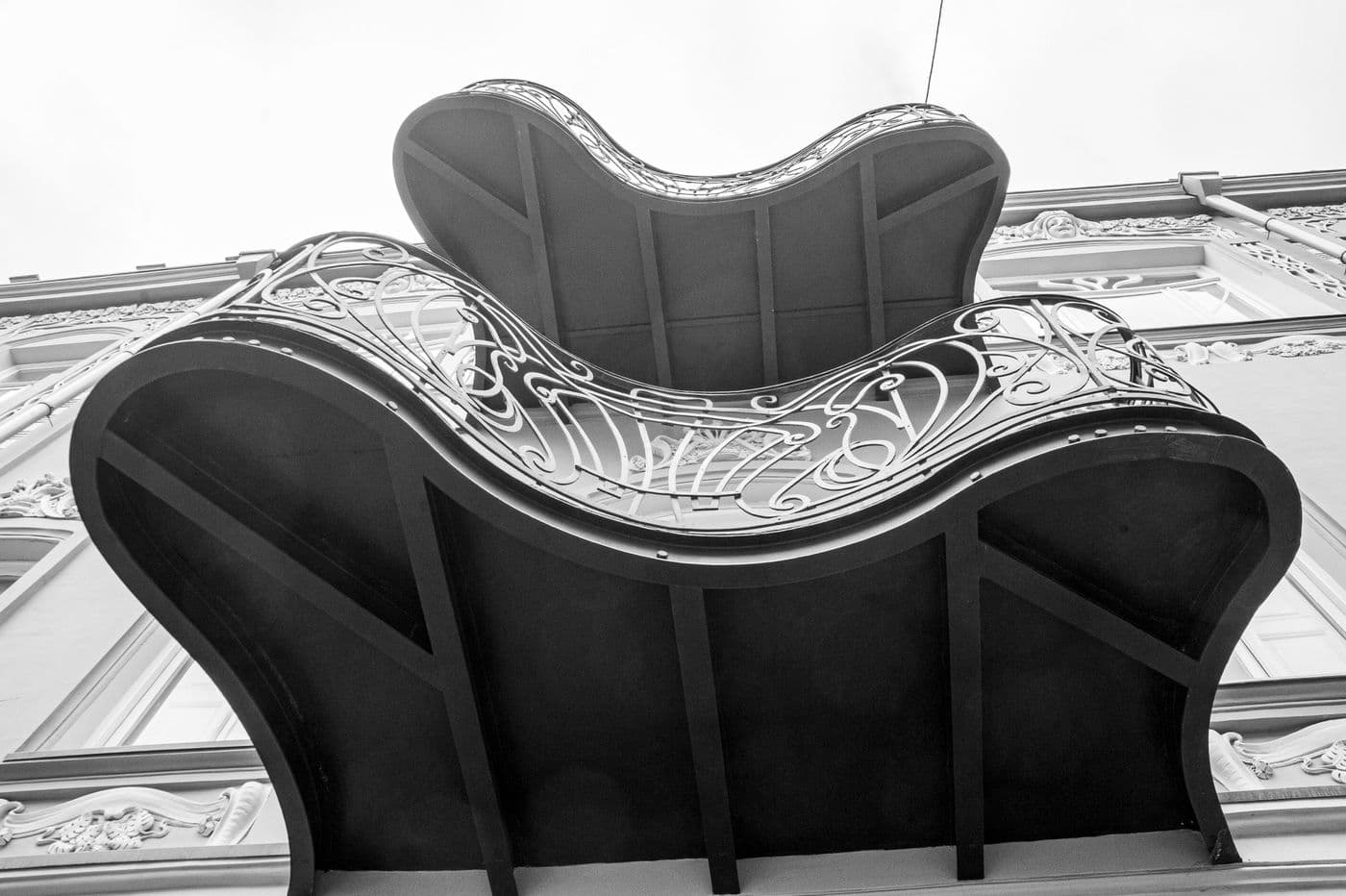
Art Nouveau vs Art Deco: How to Tell the Two Styles Apart
Art Nouveau and Art Deco are often confused. Compare their dates, curves versus geometry, materials and motifs to identify each style quickly.
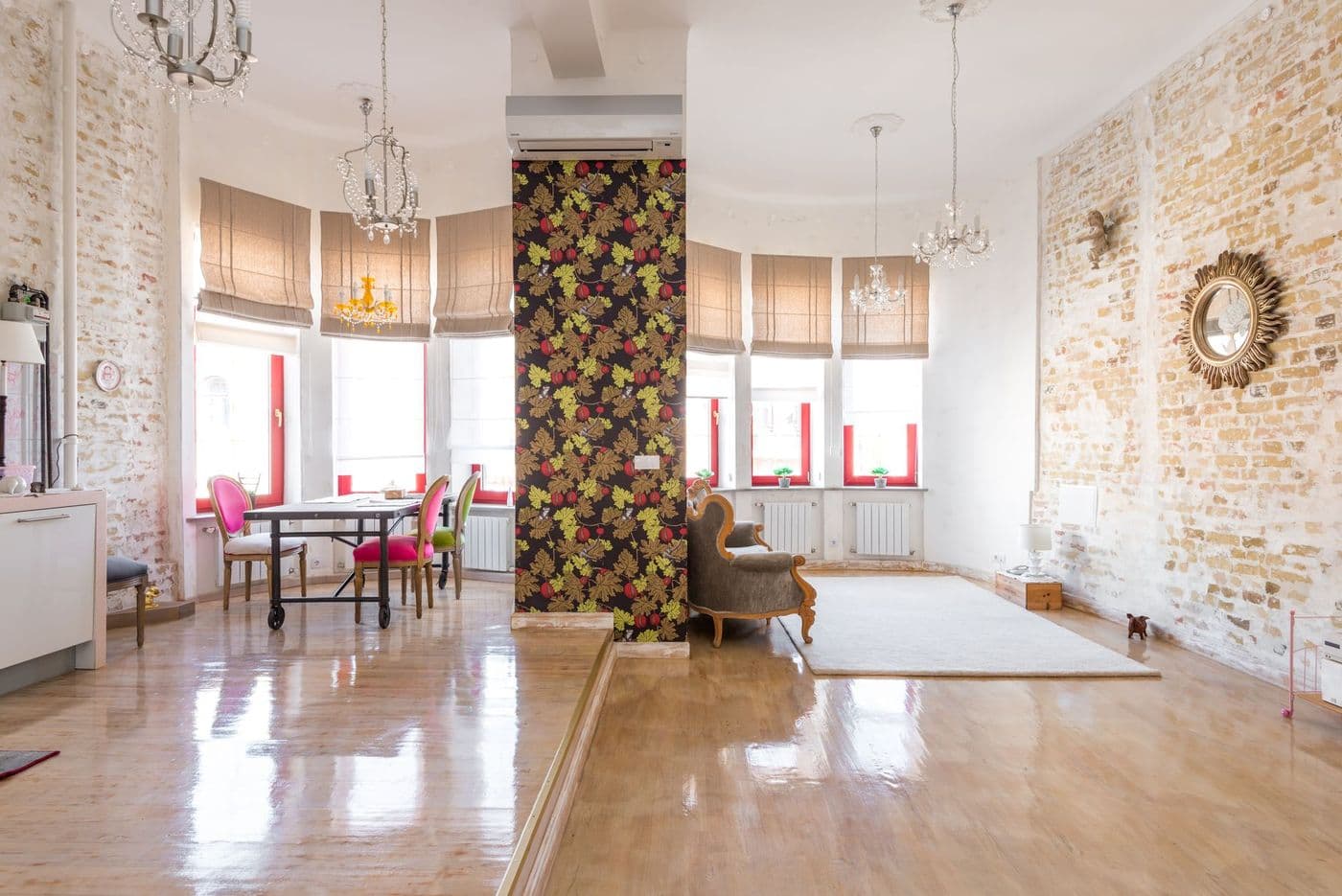
How to Mix Vintage and Modern Furniture Without It Looking Messy
Practical rules for combining vintage and modern furniture: choose a link, balance scale and colour, vary eras and let one standout piece lead each room.
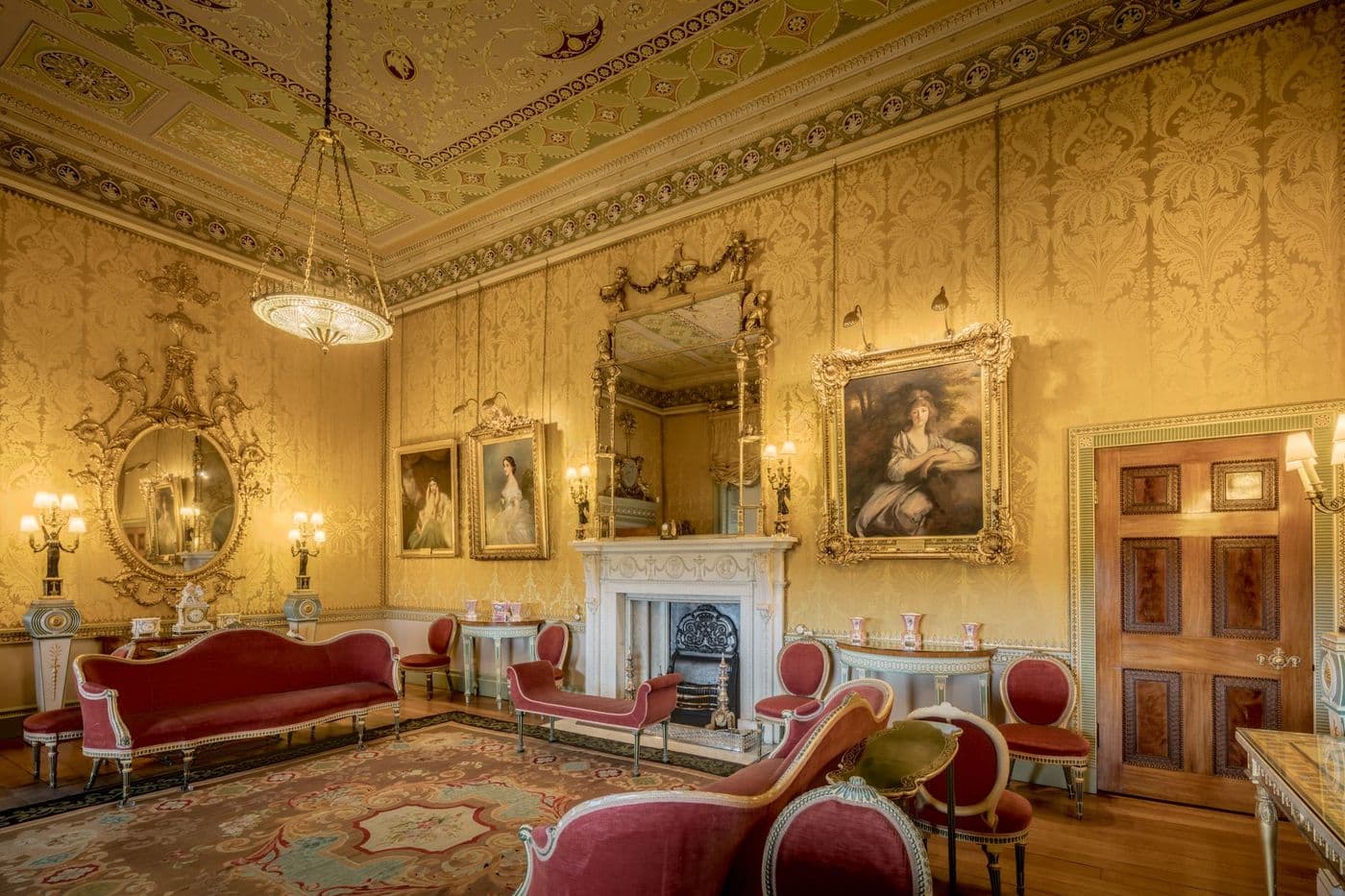
Georgian Interior Style Explained: Proportion, Colour and Furniture
What defines Georgian interiors? Learn the period dates, symmetrical rooms, sash windows, classic colours and typical furniture, and how to use them today.