Georgian Interior Style Explained: Proportion, Colour and Furniture
What defines Georgian interiors? Learn the period dates, symmetrical rooms, sash windows, classic colours and typical furniture, and how to use them today.
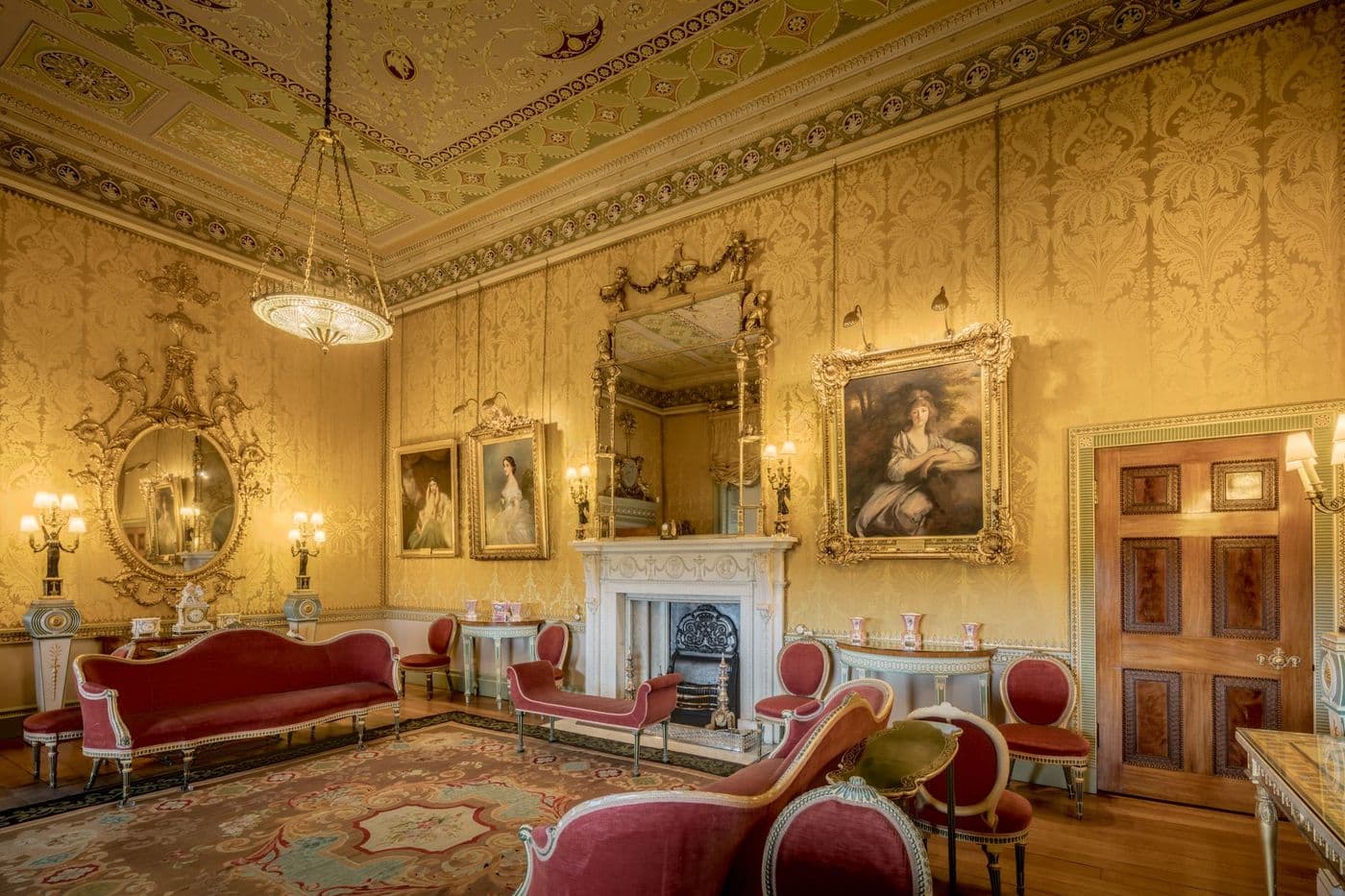
Georgian style covers British architecture and design from about 1714 to 1830, under four King Georges. It is defined by symmetry, balanced proportions, sash windows, panelled doors and classical details such as cornices and fireplaces. Rooms are typically elegant rather than ornate, and furniture uses fine timbers like walnut and mahogany.
Georgian rooms feel calm because they follow rules of proportion borrowed from classical architecture. Ceiling heights, window sizes and doorways relate to each other in a considered way.
The period covers a long stretch, so the look evolved from heavier Palladian forms to the lighter neoclassical designs of the late 18th century and the Regency.
The period in context
The 'Georgian' era is usually dated from 1714, when George I became king, to 1830, with the death of George IV. Some historians treat the Regency (about 1811 to 1820, or to 1837 in broader use) as a late stage. Designs changed gradually across these decades.
Early Georgian interiors often have heavy mouldings and dark panelling. Later ones are lighter and more delicate, influenced by designers such as the Adam brothers and by archaeological discoveries.
Symmetry and proportion
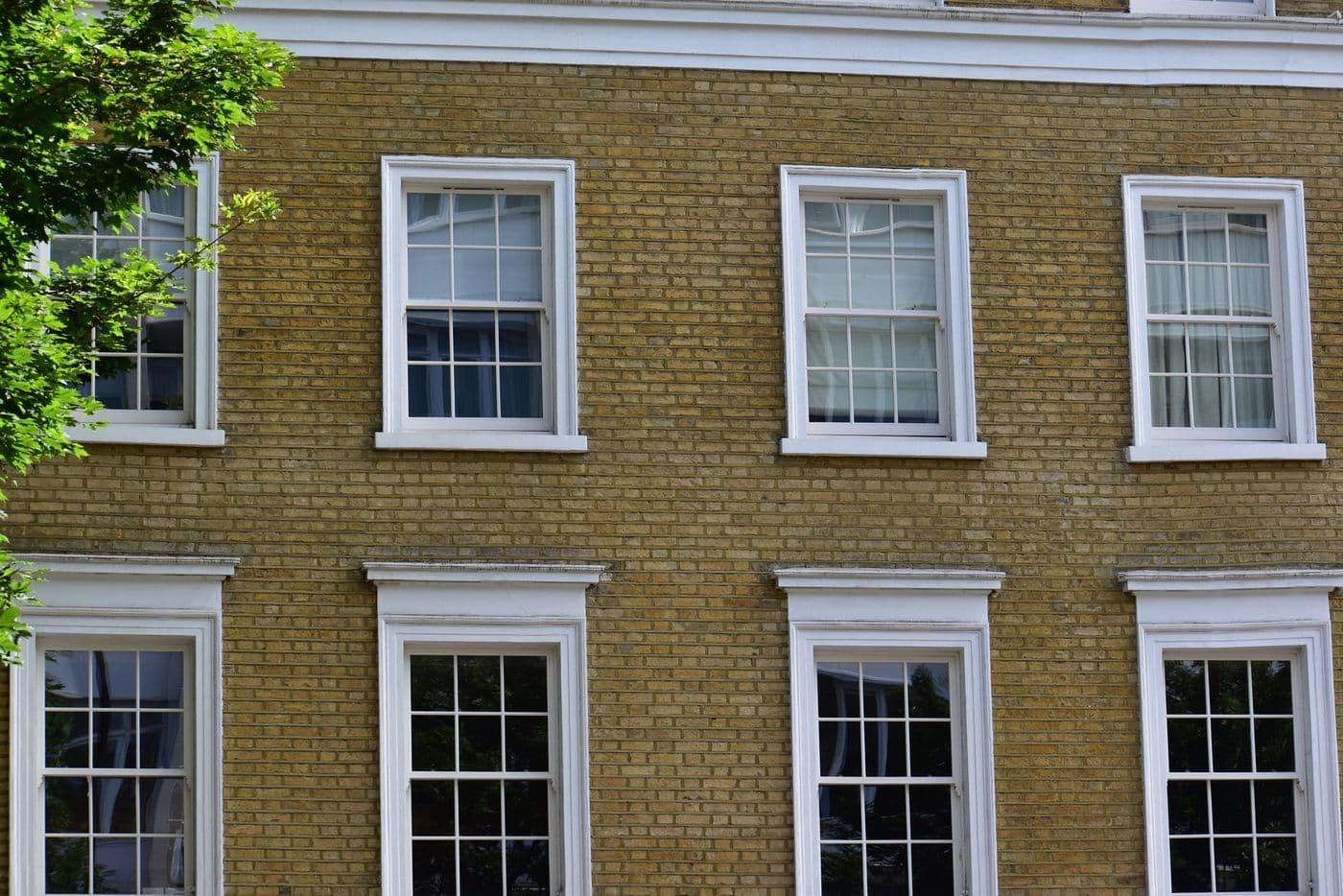
The defining trait of Georgian architecture is balance. Houses are often symmetrical, with a central door and evenly spaced windows. Inside, rooms are generally rectangular with the fireplace as a focal point, flanked by matching alcoves.
Windows are typically tall sash windows with small panes, with the tallest on the principal floor and shorter ones above. Doors are panelled, and ceilings are high enough to feel generous.
Architectural details
Look for features that give a Georgian room its character.
- Plaster cornices and ceiling roses, plain in early examples and more delicate later.
- Panelled walls, dado rails and wainscoting.
- Fireplaces with classical surrounds in marble or timber.
- Fanlights above doors and wide, shallow staircases with turned balusters.
Colours and wall finishes
Georgian palettes were often muted, earthy and chalky, such as stone, soft greens, greys, blues and ochre. Later in the period, brighter colours and wallpapers became fashionable. Modern 'heritage' paints reproduce these tones, but be aware of the difference between historically inspired colours and strict documented schemes.
Using matte or chalky finishes on walls and slightly glossier paint on woodwork helps recreate the layered look.
Historic paint was made with different binders and pigments from modern emulsions, so the look of true period paint is slightly flatter and more textured. Many paint companies offer ranges inspired by historic palettes, and some conservation bodies publish research on paint analysis. Use them as inspiration rather than an absolute rule.
Furniture and materials
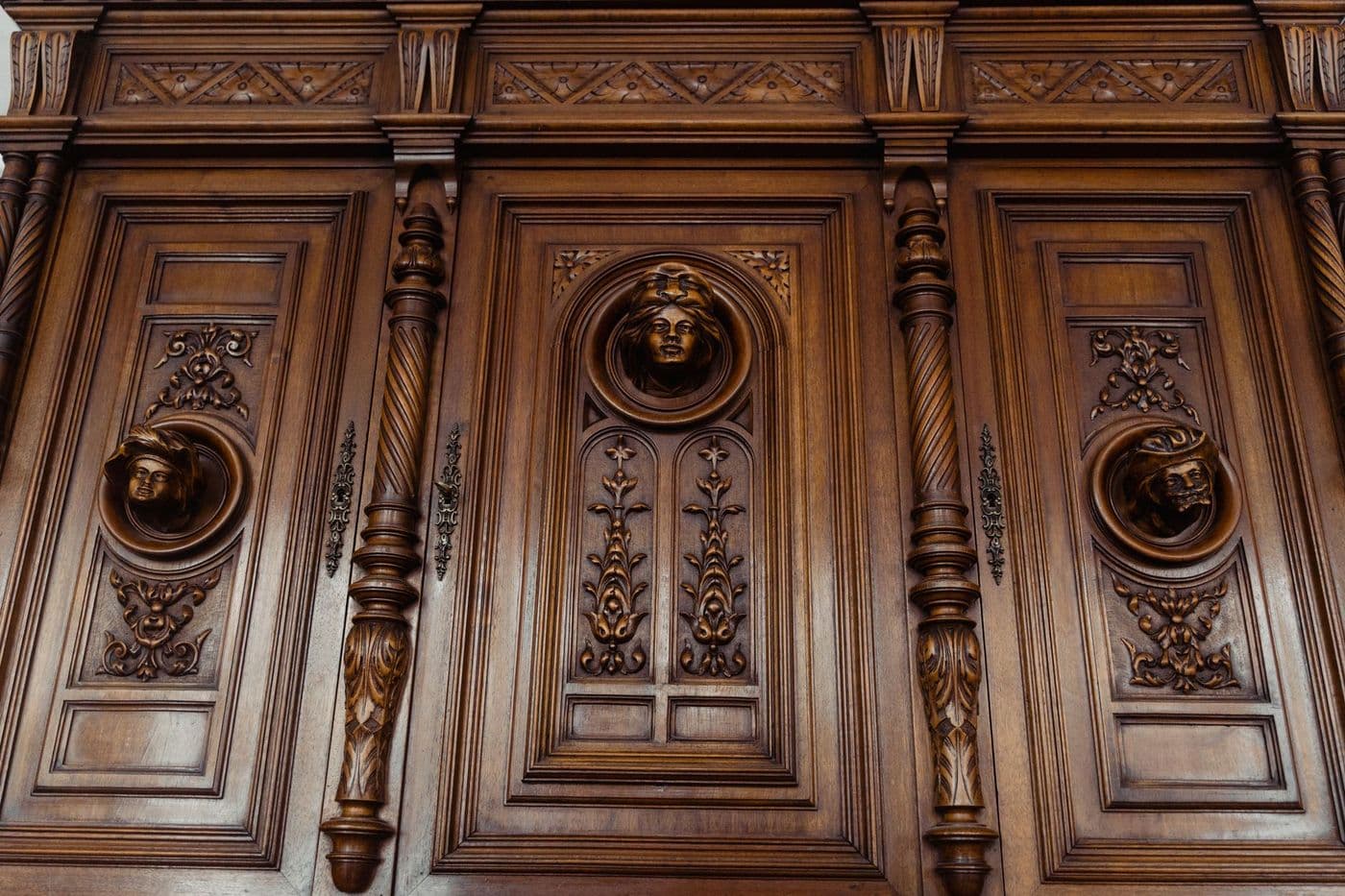
Walnut was popular early in the period, with mahogany becoming dominant as the century progressed. Satinwood and inlay became common in the late 18th century. Designs by makers and pattern-book authors such as Chippendale, Hepplewhite and Sheraton influenced style, though many pieces were produced by lesser-known cabinetmakers.
Typical items include sideboards, bookcases, bureaux, tripod tables, wing chairs and dining tables with elegant, slender legs.
Construction also changed. Early Georgian pieces often use solid timber with robust joinery, while later furniture makes more use of veneer, inlay and delicate turned or reeded legs. Gilded mirrors, console tables and torchères appear in grander rooms, and bookcases became common as reading grew fashionable.
Because Georgian designs have been reproduced for more than two centuries, check construction closely when buying. A convincing shape alone does not prove a piece dates from the 18th century.
Floors, textiles and lighting
Floors were often wide boards, stone flags or parquet in grander homes, with rugs added for warmth. Curtains were rich but not overly heavy, and sometimes plain, while patterned wallpapers and damasks appeared in formal rooms.
Candlelight shaped the look of rooms. Today, wall sconces, simple chandeliers and warm bulbs recreate the soft glow.
Window treatments in this era could be quite simple: wooden shutters folded into the window reveals, often paired with curtains for warmth. Restoring or retaining shutters is often better than replacing them, since they are a distinctive Georgian feature that also helps insulate a room.
Living with a Georgian look
Keep the architecture visible: avoid covering sash windows or panelling and fit furniture that respects the room's proportions. Mix antiques with simple modern pieces to avoid a museum feeling.
If you own a Georgian property, check regulations for listed buildings before altering windows, plaster or fireplaces. Lime-based plaster and breathable paints are often recommended for older walls, so ask a conservation professional.
Tip: Hang pictures in line with the proportions of the wall rather than scattering them. Georgian rooms reward order.
Frequently asked questions
What years count as Georgian?
Typically 1714 to 1830, though some definitions extend to 1837 to include the Regency and later William IV period.
What is the difference between Georgian and Regency style?
Regency is a late phase of Georgian design, with more classical Greek and Egyptian influences, bolder colours and slender, elegant furniture.
What colours suit a Georgian house?
Soft, chalky greens, greys, blues and stone tones suit the period, along with richer accent colours.
Can I use modern furniture in a Georgian room?
Yes, if it respects the proportions. Simple, uncluttered modern pieces mix well with period features.
Advertisement
General information only. Check product labels and manufacturer instructions before you start.
Keep reading
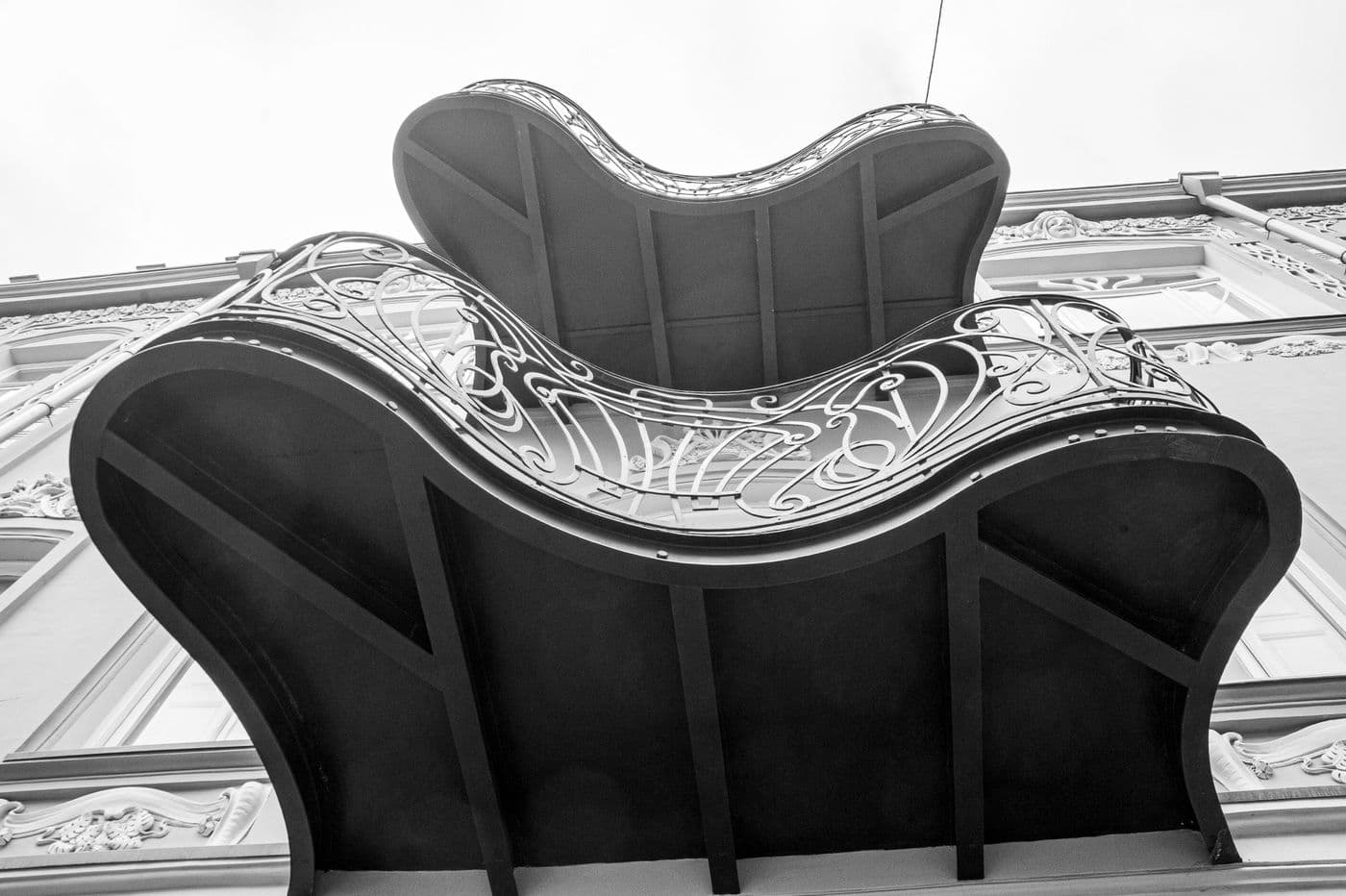
Art Nouveau vs Art Deco: How to Tell the Two Styles Apart
Art Nouveau and Art Deco are often confused. Compare their dates, curves versus geometry, materials and motifs to identify each style quickly.
How to Mix Vintage and Modern Furniture Without It Looking Messy
Practical rules for combining vintage and modern furniture: choose a link, balance scale and colour, vary eras and let one standout piece lead each room.
Arts and Crafts Interiors Explained: Honest Materials and Handmade Detail
Discover Arts and Crafts interiors: their roots in the 1860s to 1920s, key ideas, typical oak furniture, tiles, textiles and how to bring them home today.