How to Identify Antique Chairs by Period: Queen Anne to Victorian
Learn to recognise antique chair styles by their legs, backs and feet, from Queen Anne and Georgian designs to Regency and Victorian balloon backs.
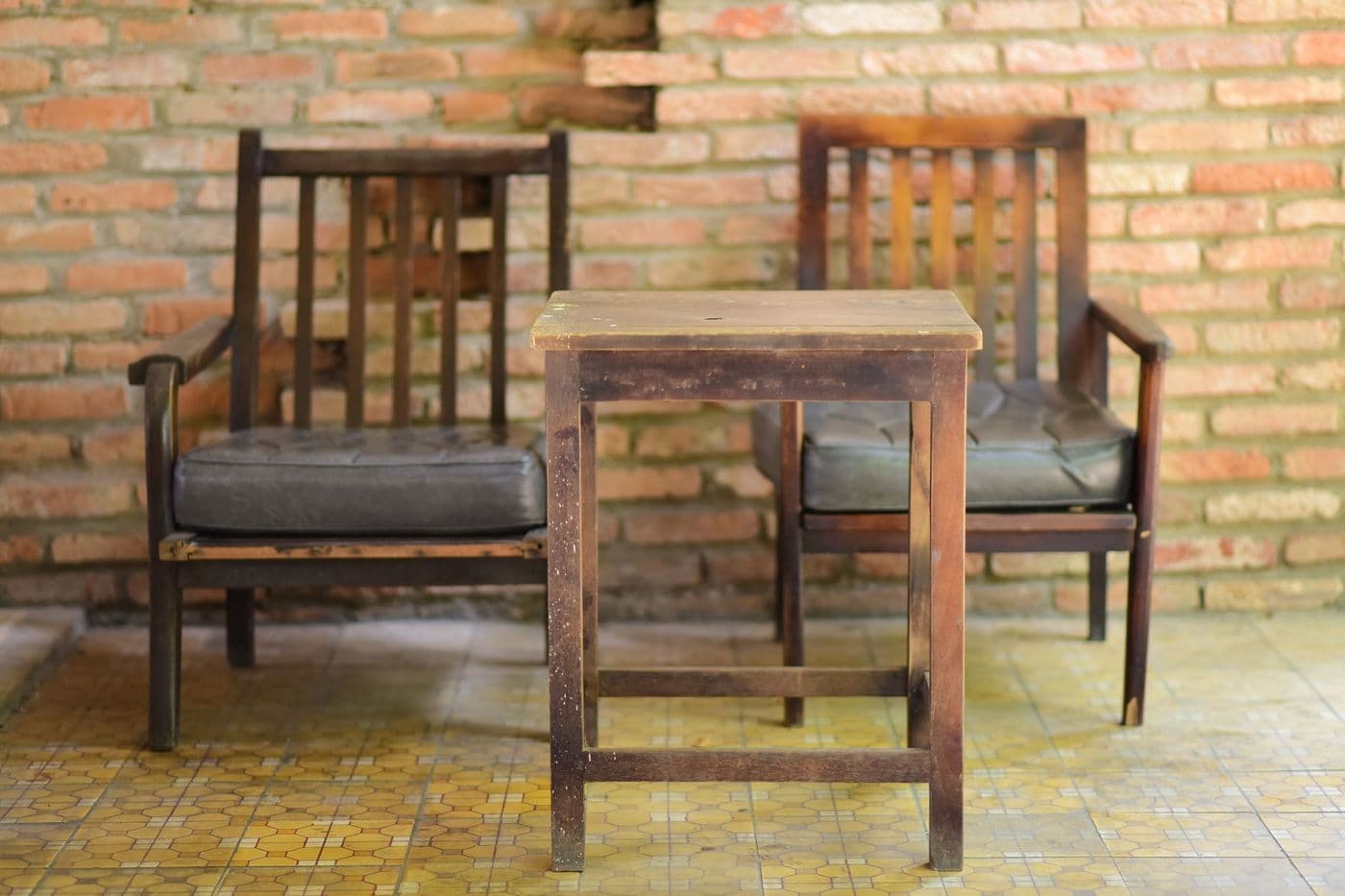
Look at the legs, back and feet. Queen Anne chairs (early 18th century) have curved cabriole legs and vase-shaped splats; later Georgian designs often have straight legs and shield or square backs; Regency chairs favour sabre legs; Victorian chairs include balloon backs and heavily upholstered forms. Style helps date a chair, but check construction too, as many designs were copied later.
Chairs are some of the most copied furniture in history, so a classic shape on its own proves little. Still, knowing the usual features of each period gives you a sensible starting point for dating a chair, and it helps you spot when parts do not match.
The dates below are approximate, since styles overlapped and country houses lagged behind the fashion of the capital.
Queen Anne style (c. 1700 to 1760)
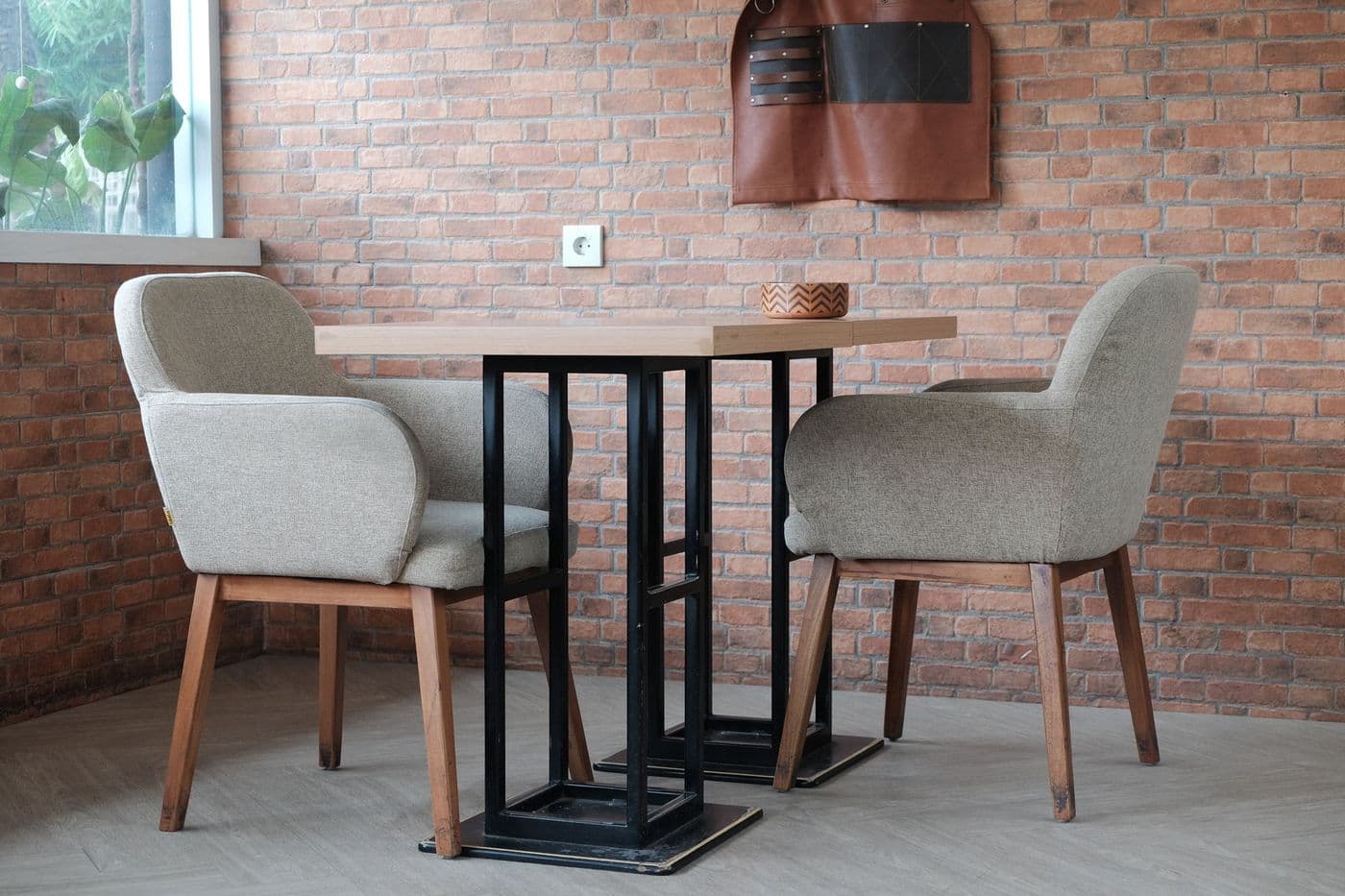
Queen Anne chairs are known for graceful curves. Look for cabriole legs that bow outwards at the knee and curve in toward the foot, often ending in a pad foot. The back usually has a solid vase- or fiddle-shaped splat and a curved top rail.
The style was popular well beyond the reign of Queen Anne herself (1702 to 1714), and was widely revived in the 19th and 20th centuries, so check how the chair is made.
Georgian chairs (c. 1714 to 1830)
'Georgian' covers several fashions, linked by neoclassical balance and refinement. Mid-century chairs often show pierced or carved splats, sometimes with Gothic or Chinese-inspired detail, and may have straight square legs or still-curved legs with claw-and-ball feet.
Late Georgian designs, including shield-back and square-back chairs, became lighter and more delicate, with slender tapered legs and neat, shaped rails.
Windsor and country chairs
Windsor chairs have solid wooden seats, usually shaped, with turned legs and spindle or stick backs set directly into the seat. They were made in many regions in elm, ash, beech and yew, and often combine several timbers in one chair.
Country makers followed fashion loosely, so a chair with a Georgian outline may have been made decades later. Judge age by joinery and wear, not just shape.
Regency chairs (c. 1811 to 1830)
Regency chairs often show strong classical influence, borrowed from ancient Greece and Egypt. Typical features include sabre legs that sweep outward, a curved or 'tablet' top rail, and reeded or rope-twist decoration. Brass inlay and painted or ebonised finishes were also popular.
Victorian chairs (1837 to 1901)

The Victorian era produced varied styles, from revived Rococo to Gothic and early Arts and Crafts. A very recognisable form is the balloon-back dining chair, with a rounded back and cabriole or turned front legs. Upholstered parlour chairs with deep buttoning, spring seats and heavily carved frames were also common.
Machine production made good-quality chairs widely affordable, so Victorian examples often survive in large numbers and sets.
Construction clues that matter
Beyond style, check how the chair is built. Look for mortise-and-tenon joints rather than screws and staples, signs of hand-shaping on inside surfaces, and consistent wear on the legs and arms.
Look for replaced legs, new corner blocks and added stretchers, which are common. Mismatched wood colour or sharp new edges around the joints can show recent work.
Common timbers to expect
Wood choice is another useful clue. Walnut was fashionable in the early 18th century, and mahogany became dominant in English furniture from around the middle of the century as imported timber grew more available. Oak, elm and beech were used for country and utility chairs, while birch and painted softwoods often feature on late Georgian and Regency pieces.
Check whether the wood type fits the supposed date. A chair with a Queen Anne outline made from a modern-looking plywood-backed board is clearly a later copy, however good the shape.
Pairs and sets
A matching set is worth more than single chairs, but sets are often 'made up' from near-identical chairs. Compare measurements, carving and construction carefully, as small differences reveal that chairs did not start life together.
For valuable examples, an auction specialist or furniture historian can examine the details in person.
Dining chairs often come with carvers (armchairs) at the ends of a set. These were sometimes made slightly larger or with extra details, so a mismatch between carvers and side chairs is not automatically a warning sign.
Tip: Sit on the chair gently and check for wobble before inspecting it. A loose frame is a clue to old, failing glue or damaged joints, which are repairable but affect price.
Frequently asked questions
How can I tell if a chair is Georgian or Victorian?
Georgian chairs tend to be lighter and more delicate, with refined proportions. Victorian chairs are often heavier, more ornate and sometimes machine-made, with features like balloon backs and deep upholstery.
Are Windsor chairs always old?
No. Windsor chairs have been made continuously for centuries and are still produced today. Check the joinery, wood and wear to judge age.
What is a cabriole leg?
A cabriole leg curves outward at the top (the knee) and sweeps inward toward the foot in an S-shaped line. It is a hallmark of Queen Anne and some Georgian designs.
Should I restore an old chair before selling?
Not without advice. Original finish and patina can matter to buyers, and poor repairs lower value. Ask a restorer or auction specialist first.
Advertisement
General information only. Check product labels and manufacturer instructions before you start.
Keep reading

How to Tell if a Rug Is Hand-Knotted or Machine-Made
Check the back, fringe, pattern and knots to tell a hand-knotted rug from a machine-made one, and learn what age and wear clues really mean.

How to Tell Antique Glass from Modern Glass: Pontils, Seams and Clues
Use pontil marks, mould seams, wear and weight to tell antique glassware from modern copies, and learn why bubbles and a ring sound are unreliable.
How to Read Antique Silver Hallmarks: A Beginner's Guide
Learn what British silver hallmarks mean: standard mark, town mark, date letter and maker's mark, plus how to spot silver plate and when to ask an expert.