How to Get a Musty Smell Out of Old Furniture
Find the cause of musty odours in old wood furniture, then freshen it using air, gentle cleaning and absorbers, and know when mould needs expert help.
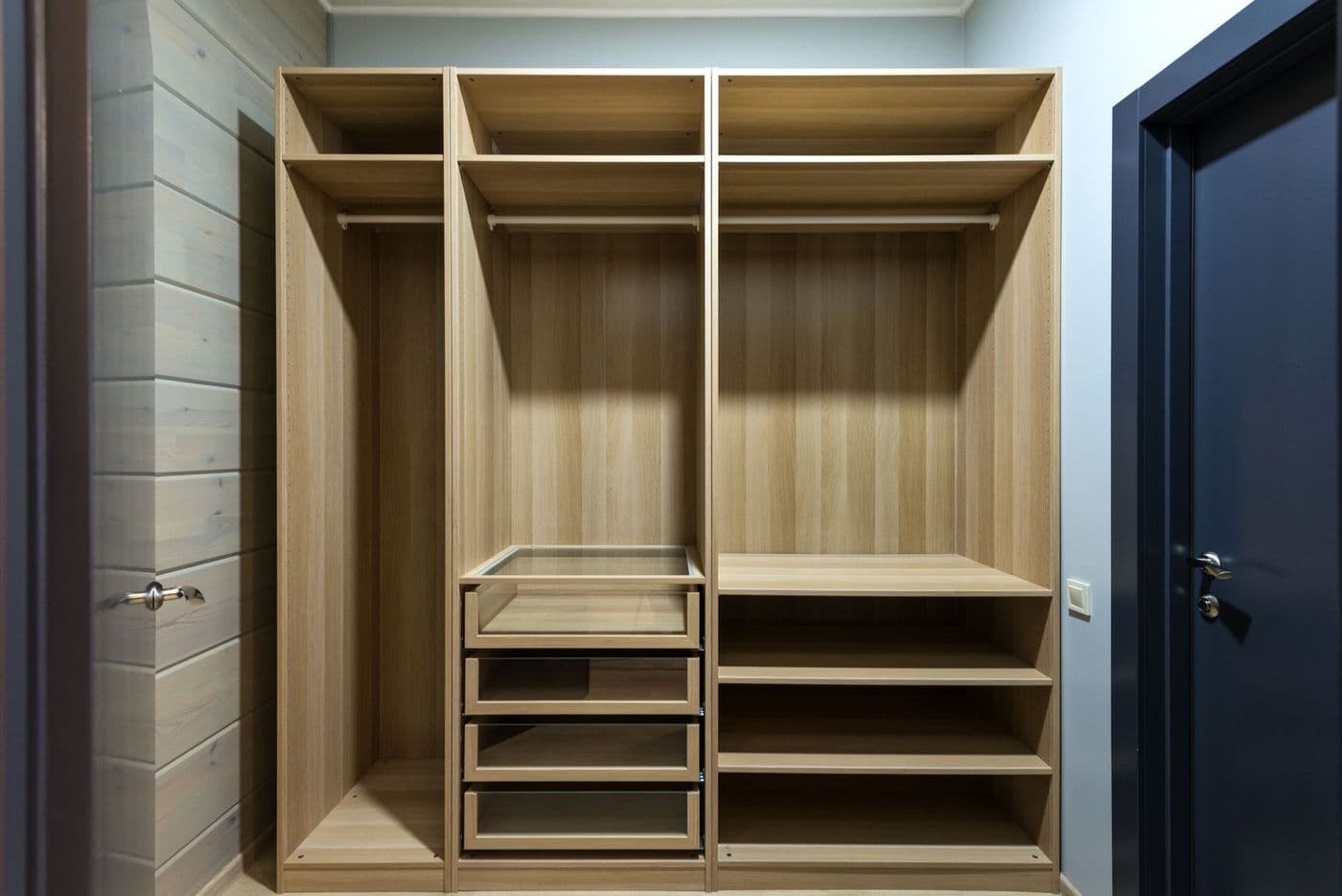
Find the source first: damp, mould, old lining paper or stored items cause most musty smells. Empty the piece, let it air in a dry, shaded, well-ventilated space, vacuum dust, wipe surfaces gently with a lightly damp cloth, and place absorbers like baking soda or activated charcoal inside. If you see mould or the smell persists, seek professional advice.
A beautiful old wardrobe or chest that smells of cellar is disappointing, but the problem is often fixable. The smell is a symptom, not the disease: something is holding moisture or trapping stale air.
Work from the gentlest remedies upward, and avoid anything that soaks the wood or strips its finish.
Find the cause
Common causes include a period in a damp room or garage, spills that were never fully dried, old paper and fabric linings, stored textiles and mould or mildew growth. A smell that is strong at the back or base may point to damp rising from the floor or wall.
Check the inside carefully with a torch. Look for white, grey, green or black patches, a powdery film, damp stains and discolouration. Note whether the odour is stronger in one drawer or area.
Empty it and let it breathe
Remove everything: contents, drawers, shelves and loose linings. Place the piece in a dry, airy room out of direct sunlight, with doors and drawers open. Fresh, moving air does more than any product, and it may take several days or weeks for a deep odour to fade.
Avoid leaving old furniture in strong sun to 'dry out', since fierce heat can cause cracking and veneer damage. Gentle, steady ventilation is best.
Clean the interior gently
Vacuum dust and debris from corners, using a soft brush attachment. Then wipe the inside surfaces with a lightly damp cloth wrung out well, and dry straight away. A weak solution of mild soap and water is usually enough.
Do not flood wood with water. Raw interior timber is porous and will absorb moisture quickly, and swollen wood or lifted veneer is a worse problem than the smell.
Use absorbers rather than perfume
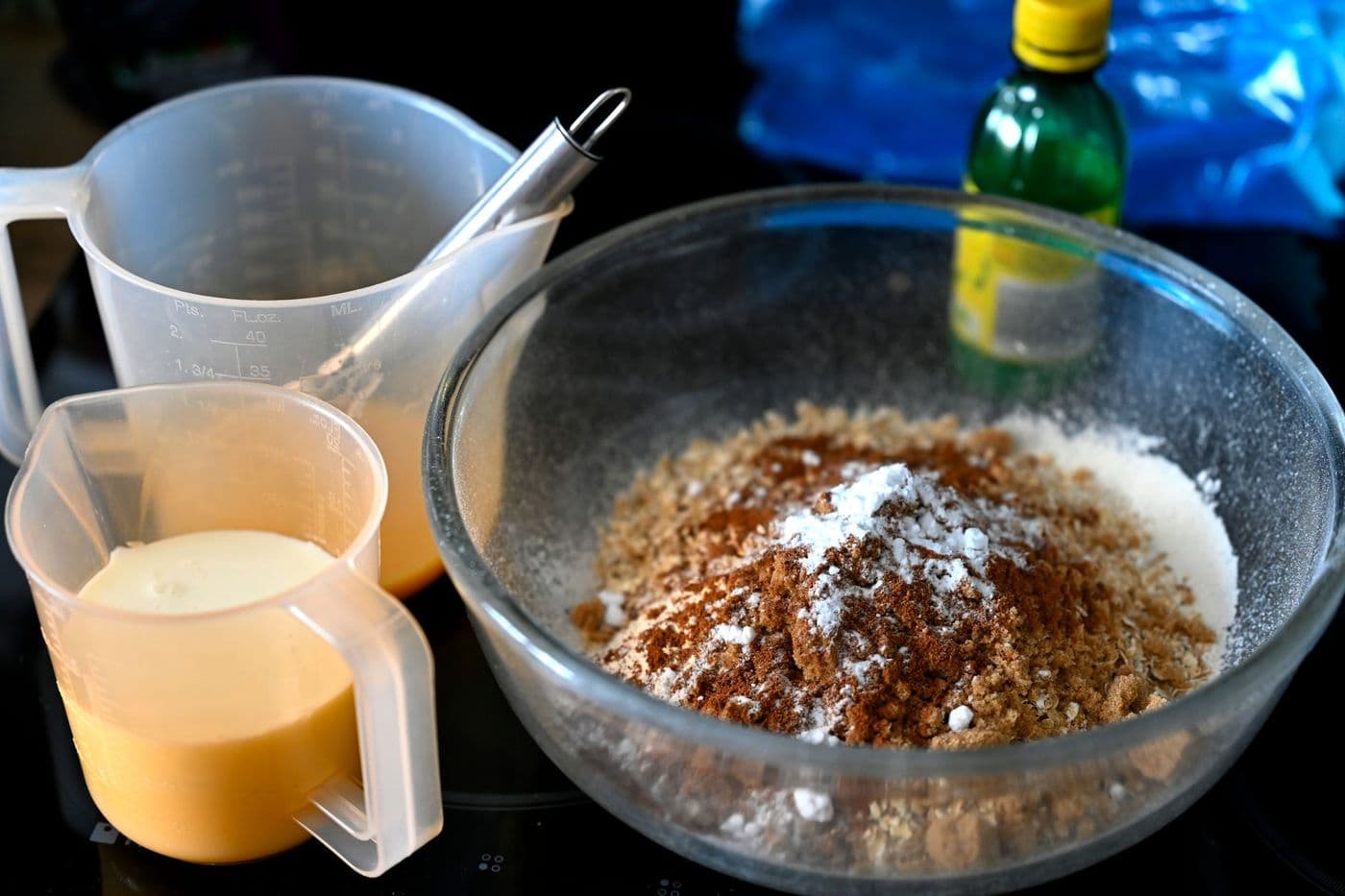
Masking odour with sprays usually fails and leaves residue. Instead, use absorbers placed inside the closed piece for a few days:
Replace absorbers every few days if they seem saturated, and keep the piece closed between treatments so the absorber can work. Patience matters: you are trying to pull odour out gradually, not cover it up.
- Open boxes or bowls of baking soda.
- Activated charcoal or bamboo charcoal bags.
- Dry, uncoloured cat litter in a tray (placed in a sealed space with the furniture).
- Unscented silica gel packs to reduce humidity.
What about mould?
Light surface mould on a hard finish may wipe off, but mould can spread into raw wood and upholstery. Wear gloves and a dust mask, take the piece outside or into a well-ventilated space, and wipe affected areas gently with a mild solution. Do not scrub hard, and avoid harsh bleach on antiques.
Mould is a health concern for people with allergies or breathing problems. If growth is extensive, deep or on valuable furniture, ask a conservator or specialist cleaning firm.
Old linings and cabinet interiors
Drawers often have old paper linings that hold smells and sometimes insects. Replacing them with acid-free paper or plain cotton liners is simple and reversible. Check for cedar or camphor residue, which can leave a persistent scent.
Fabric-covered and upholstered pieces may need professional cleaning, since odour lives in padding and horsehair, not just the surface.
When the smell comes from the upholstery or padding
Old chairs and sofas can hold odours deep within horsehair, coir, wool and cotton padding. Surface cleaning rarely reaches that far. Airing the piece, vacuuming with an upholstery tool and using absorbers nearby can improve mild cases.
If the smell persists, the stuffing may be damp or contaminated. Reupholstering by a traditional upholsterer, who can replace the padding but retain the frame, is often the most effective fix. Keep any original fabric or tacks that might help date the piece before the work starts.
Prevent it coming back
Keep the piece away from damp walls and floors, allow air to circulate, and avoid storing textiles that are even slightly damp. A hygrometer will show whether the room is too humid, and a dehumidifier can help in persistently damp spaces.
Check inside periodically, especially after wet weather. Catching a slight smell early makes it easy to fix.
Tip: Place absorbers in an open container so they do not touch the wood. Loose powders can stain or leave residue on raw timber.
Frequently asked questions
Can I use vinegar to remove musty smell from wood?
Diluted white vinegar is often suggested for cleaning, but it should be used sparingly and tested first, since moisture and acidity can harm finishes. Dry the wood thoroughly afterwards.
Will sunlight remove the smell?
Indirect fresh air helps, but strong direct sun can crack finishes and fade wood. Use gentle, shaded ventilation instead.
Is musty-smelling furniture safe to keep indoors?
If it is only a stale smell, treatment usually works. If there is visible mould, take care and consider professional help, especially if anyone in the household has asthma or allergies.
How long will it take for the smell to go?
It varies. Light odours can fade within days; deep-set smells can take weeks of airing and repeated absorber treatments.
Advertisement
General information only. Check product labels and manufacturer instructions before you start.
Keep reading
How to Identify an Old Wood Finish: Shellac, Lacquer, Varnish or Wax
Use simple spot tests to work out whether an old furniture finish is shellac, lacquer, varnish or wax, so you can clean and repair it the right way.

How to Store Antique Furniture Safely: Wrapping, Space and Conditions
Store antique furniture without damage: choose a dry, stable space, wrap with breathable materials, keep it off the floor and check on it regularly.
How to Repair Lifting or Bubbled Veneer on Old Furniture
Fix lifting corners and blisters in old veneer with careful cleaning, glue and clamping, and learn when veneer damage needs a restorer.