Art Deco Interior Style Explained: Features, Colours and Furniture
Art Deco in a nutshell: where it comes from, its geometric look, typical materials and colours, and how to use the style in a modern home.
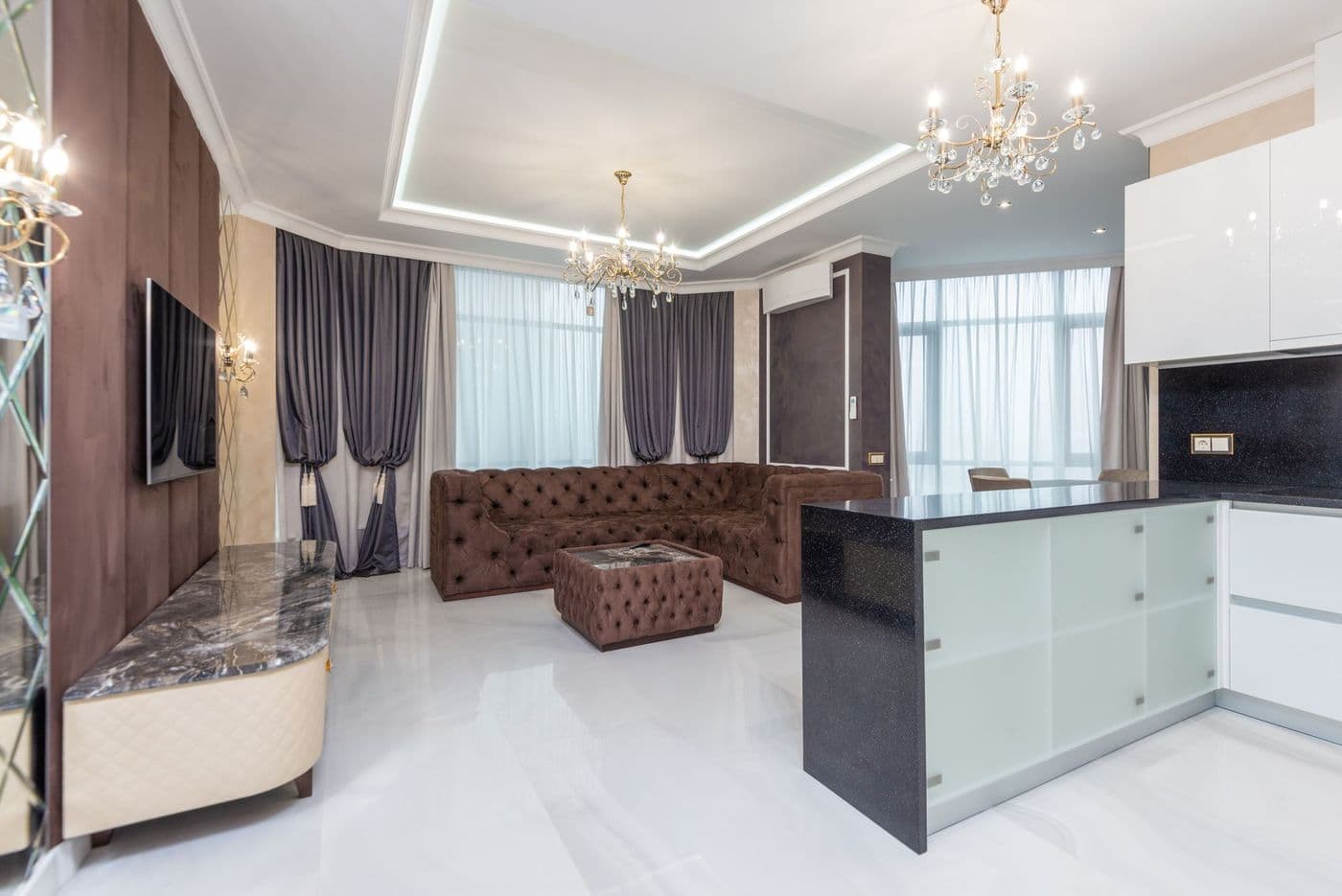
Art Deco is a decorative style that flourished in the 1920s and 1930s, named after the 1925 Paris exhibition of decorative arts. It is known for geometric shapes, symmetry, sunburst and zigzag motifs, luxurious materials like polished wood veneers, chrome, glass and lacquer, and bold contrast. It differs from the flowing curves of Art Nouveau.
Art Deco feels glamorous because it was designed to. Born between the wars, it combined machine-age confidence with rich, handcrafted materials and a taste for modernity.
You can recognise it in cinemas, hotels, ocean liners and domestic interiors. Here are its defining traits and how to bring them into a home without making it look like a film set.
Where the name comes from
The term 'Art Deco' derives from the 1925 Exposition Internationale des Arts Décoratifs et Industriels Modernes in Paris. The style spread through Europe and North America in the 1920s and 1930s, taking different forms in different places.
It drew on many influences, including Cubism, ancient Egyptian and Aztec motifs, and the speed and streamlined shapes of modern machines.
Geometry and symmetry
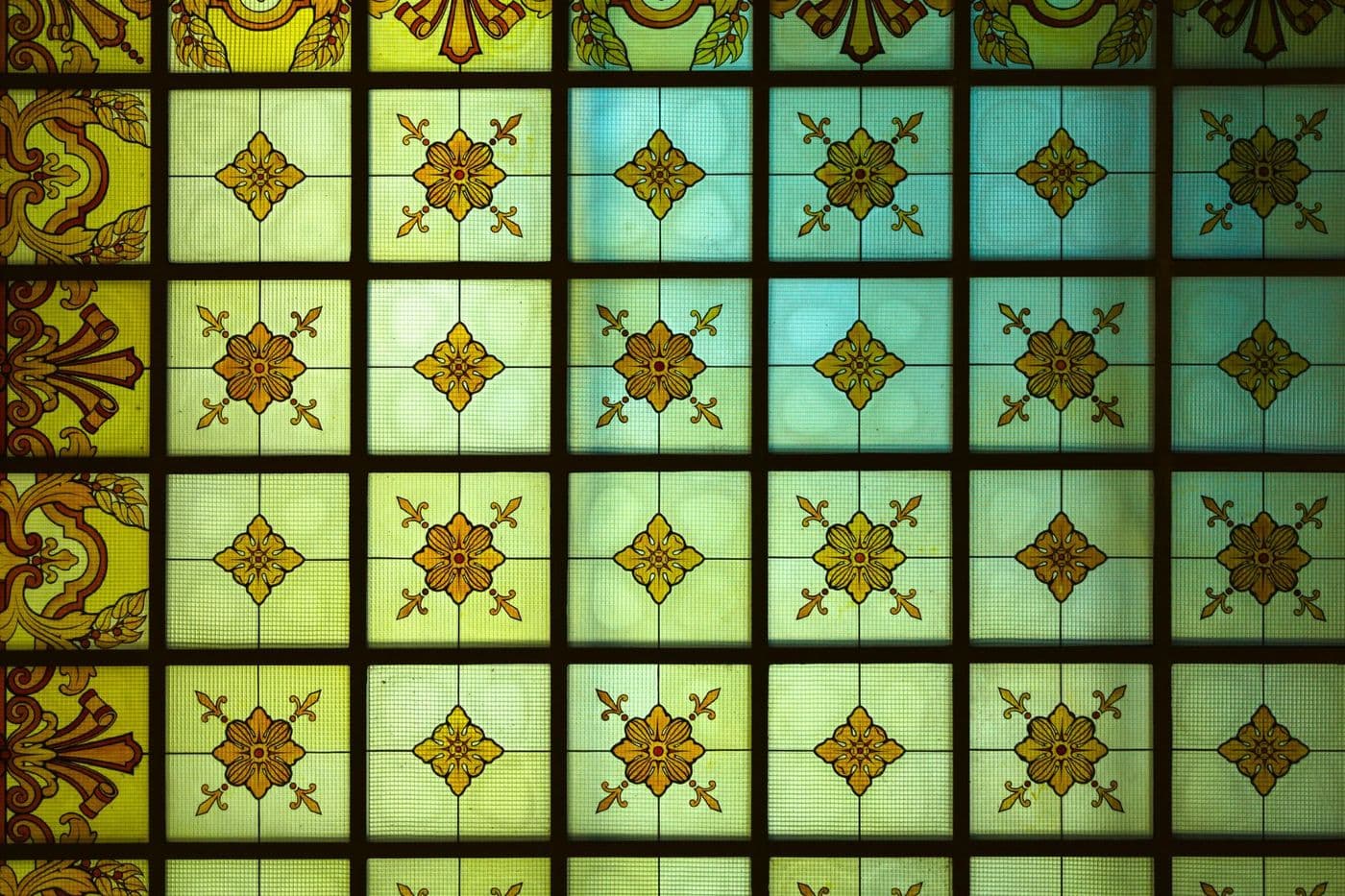
Look for strong geometric forms: stepped outlines, chevrons, zigzags, fan shapes and sunbursts. Symmetry and repetition give interiors a ordered, confident feel.
On furniture, these shapes appear as stepped tops, angular supports and inlaid patterns. Radiating lines and curved corners also feature, especially in the later streamlined phase.
Pattern was a major feature. Wallpapers, textiles and carpets used large, stylised repeats, while tiles in black and white or bold colours decorated hallways and bathrooms. Bakelite and early plastics allowed makers to mould clocks, radios and fittings into streamlined shapes.
Materials that define the style
Art Deco loves a rich surface. Typical materials include:
- Exotic wood veneers such as macassar ebony, burr walnut and zebrano.
- Chrome, nickel and polished brass for fittings and lamps.
- Glass, mirrored panels, frosted glass and etched designs.
- Lacquer, shagreen, marble and Bakelite or early plastics.
Colour palettes
Typical palettes combine deep, saturated colours with metallic accents: black, deep green, burgundy, navy and gold, sometimes with cream or ivory for balance. Pastel shades such as peach, mint and pale pink also appear, particularly in the 1930s.
Contrast is important. Light surfaces next to dark ones, or matte next to glossy, create the characteristic glamour.
Furniture and lighting
Deco furniture is often low and solid, with rounded corners, bold veneers and sleek lines. Cocktail cabinets, club chairs, mirrored dressing tables and sideboards with stepped details are typical.
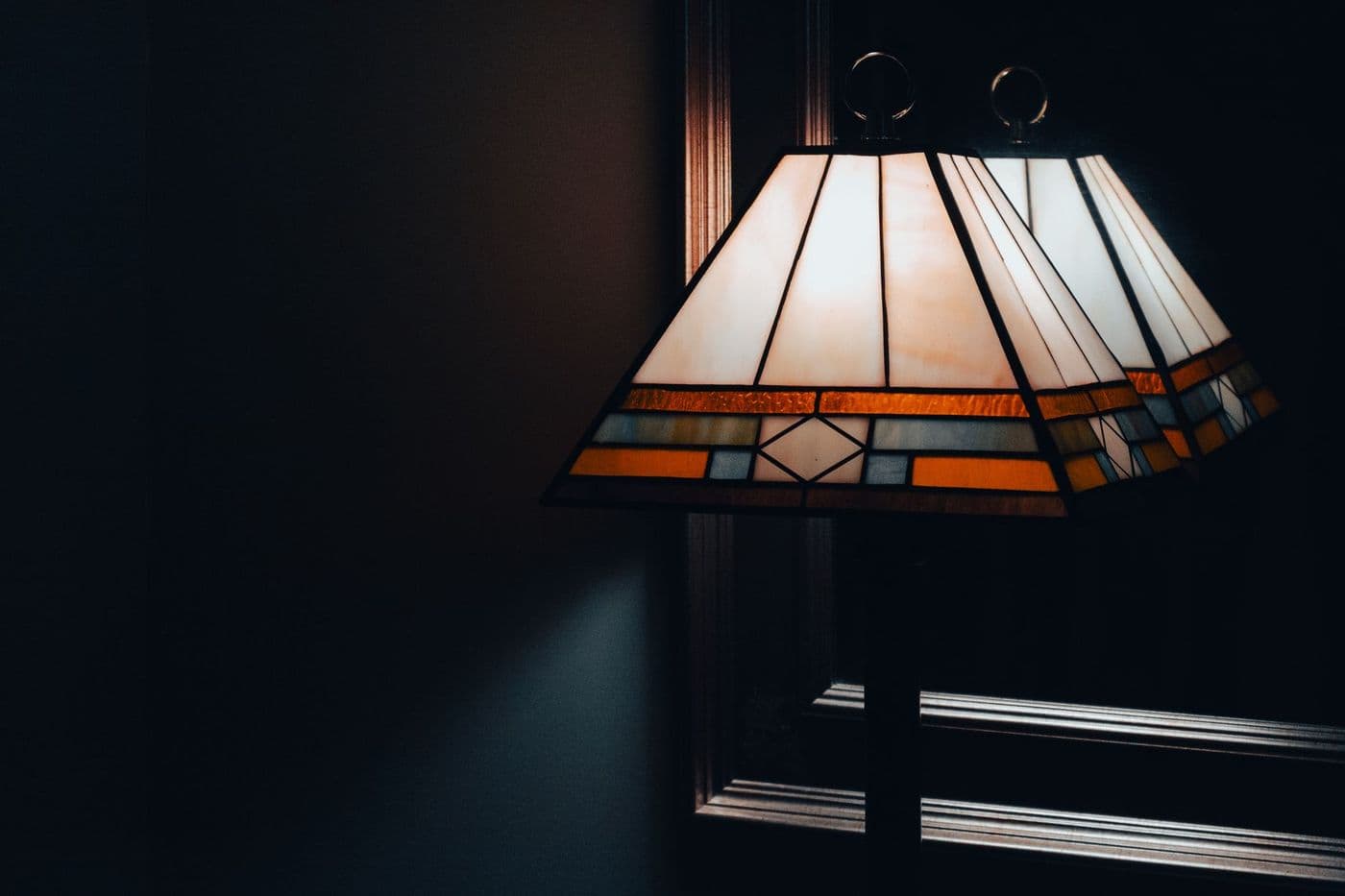
Lighting is part of the look: frosted glass wall lights, tiered chandeliers, fan-shaped shades and chrome table lamps all echo the style's geometry.
Radios and clocks were also design objects in this period. Cased in Bakelite, walnut veneer or chrome, they shaped the look of a living room and are collected today. Because many were produced in large numbers, condition and working order strongly influence interest and price.
Art Deco versus Streamline Moderne
In the 1930s a related style called Streamline Moderne, influenced by aerodynamic design, favoured smooth curves, horizontal lines, rounded corners and fewer decorative details. Some interiors mix both.
If a piece has strong horizontal speed lines and a smooth, rounded form, it may belong more to the streamlined phase than to early Deco.
Using the style today
You do not need a whole room of Deco. A mirror with a geometric frame, a velvet armchair, a lacquered side table or a pair of brass wall lights can set the tone. Mix with simpler, calmer pieces so the look stays elegant rather than heavy.
If you buy genuine period furniture, check veneers for lifting, finishes for crazing and hardware for replacements. Pieces from the era range from fine cabinetmaker work to factory production, so condition and quality vary.
Be careful with scale. Deco furniture is often chunky and solid, and a room full of it can feel heavy. Leave generous empty floor space, add soft lighting, and consider mirrors to reflect light, a practice that was common in the original interiors.
If you want authentic fabrics or wallpapers, look for reproduction patterns inspired by the era and check whether the manufacturer references specific archives. Be wary of items sold as original that lack evidence of age.
Tip: Repeat one motif, such as a sunburst or chevron, in three places in a room. Repetition reads as intentional style rather than clutter.
Frequently asked questions
When was the Art Deco period?
It is usually dated from the 1920s to the late 1930s, with some variations. Its influence continued in later decades.
Is Art Deco the same as Art Nouveau?
No. Art Nouveau (about 1890 to 1910) used organic, flowing lines, while Art Deco is geometric, symmetrical and more machine-inspired.
What colours go with Art Deco?
Black, gold, deep green, navy and burgundy are classic. Cream and pastel tones also work for a softer look.
How can I tell genuine Art Deco furniture?
Check construction, materials and wear that fit the 1920s and 1930s. Reproductions are common, so ask a specialist if unsure.
Advertisement
General information only. Check product labels and manufacturer instructions before you start.
Keep reading
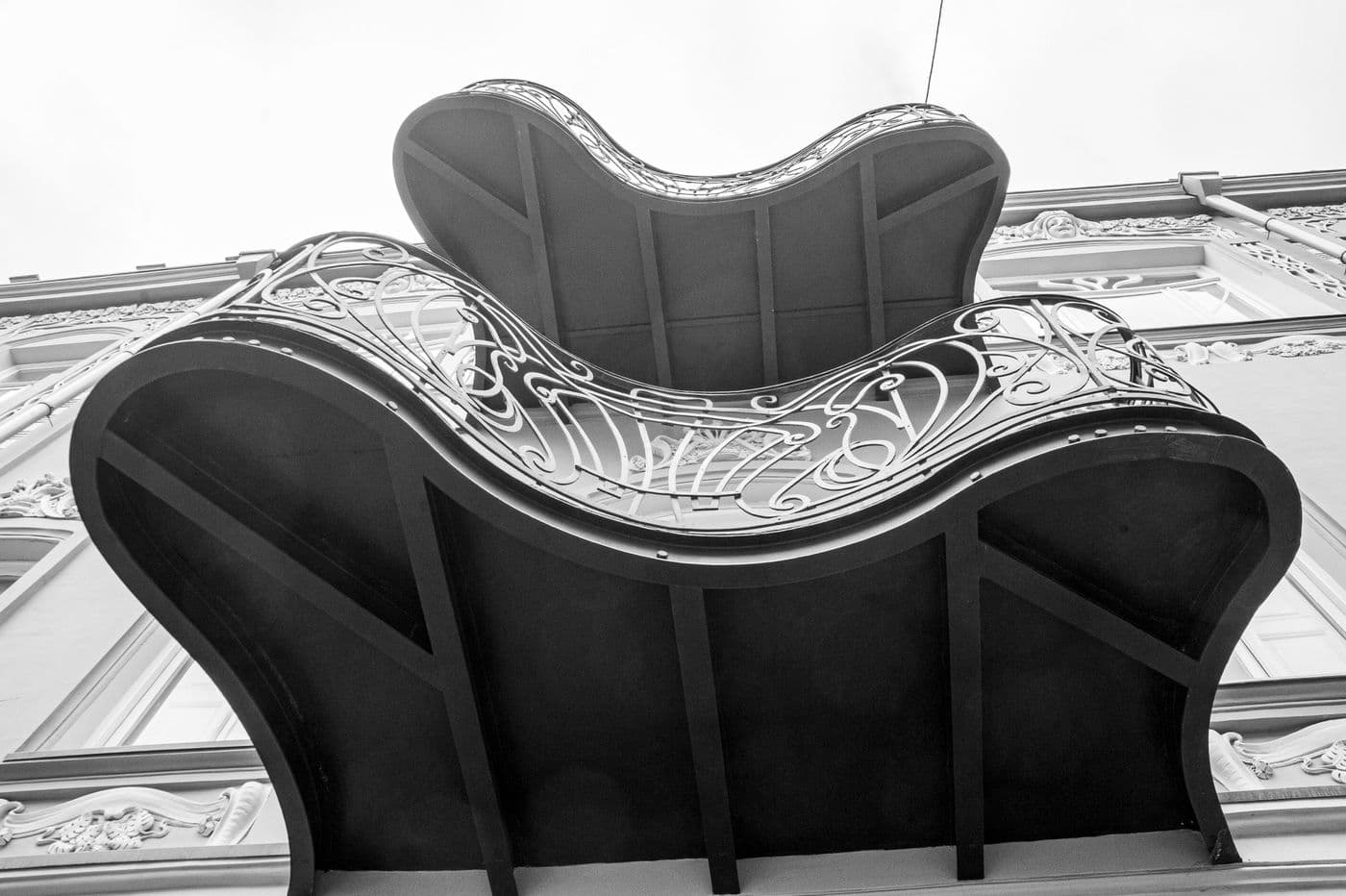
Art Nouveau vs Art Deco: How to Tell the Two Styles Apart
Art Nouveau and Art Deco are often confused. Compare their dates, curves versus geometry, materials and motifs to identify each style quickly.
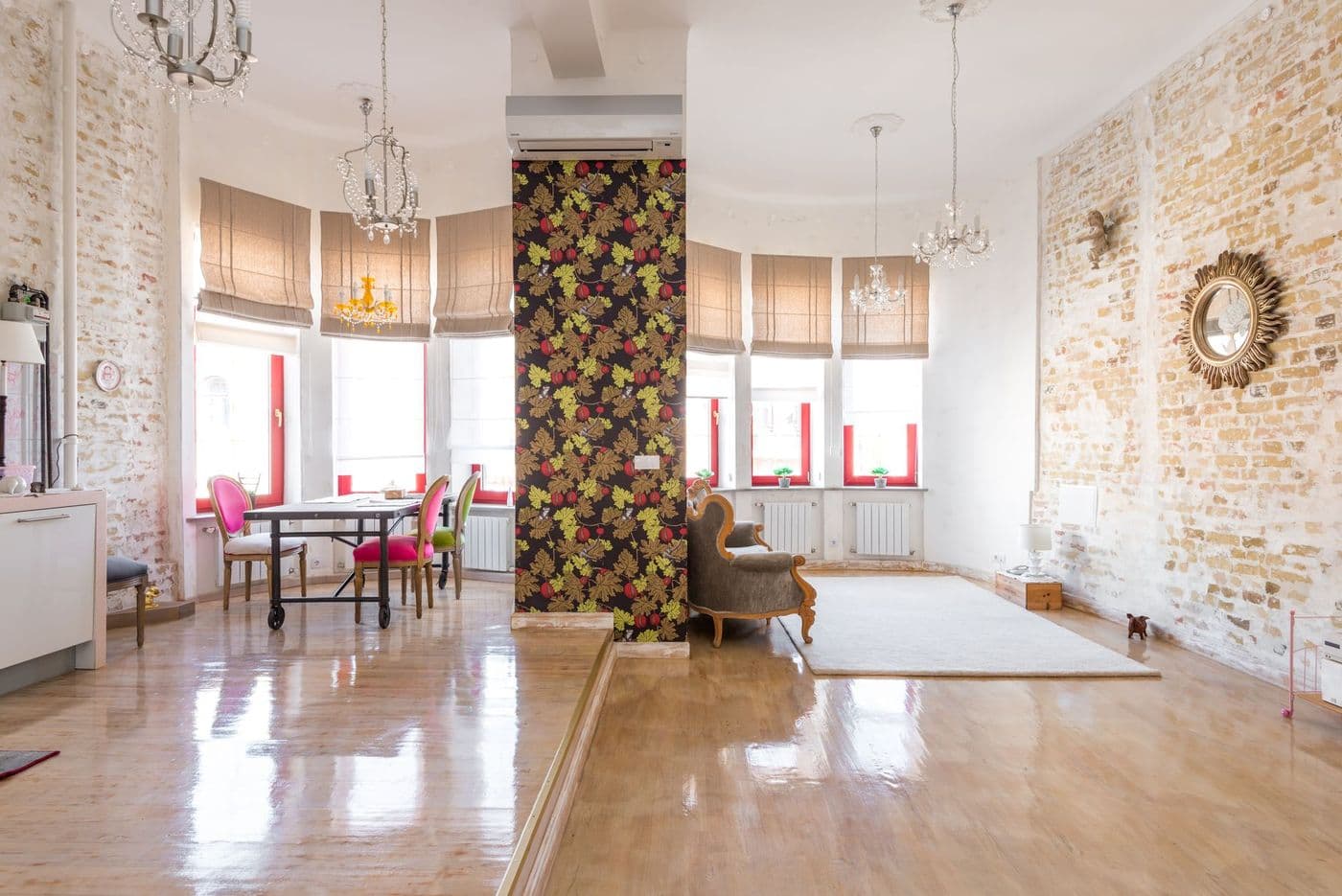
How to Mix Vintage and Modern Furniture Without It Looking Messy
Practical rules for combining vintage and modern furniture: choose a link, balance scale and colour, vary eras and let one standout piece lead each room.
Arts and Crafts Interiors Explained: Honest Materials and Handmade Detail
Discover Arts and Crafts interiors: their roots in the 1860s to 1920s, key ideas, typical oak furniture, tiles, textiles and how to bring them home today.