Antique, Vintage or Reproduction? What the Labels Really Mean
What separates an antique from vintage, retro and reproduction furniture? Learn the usual age thresholds and the terms that dealers and auction houses use.
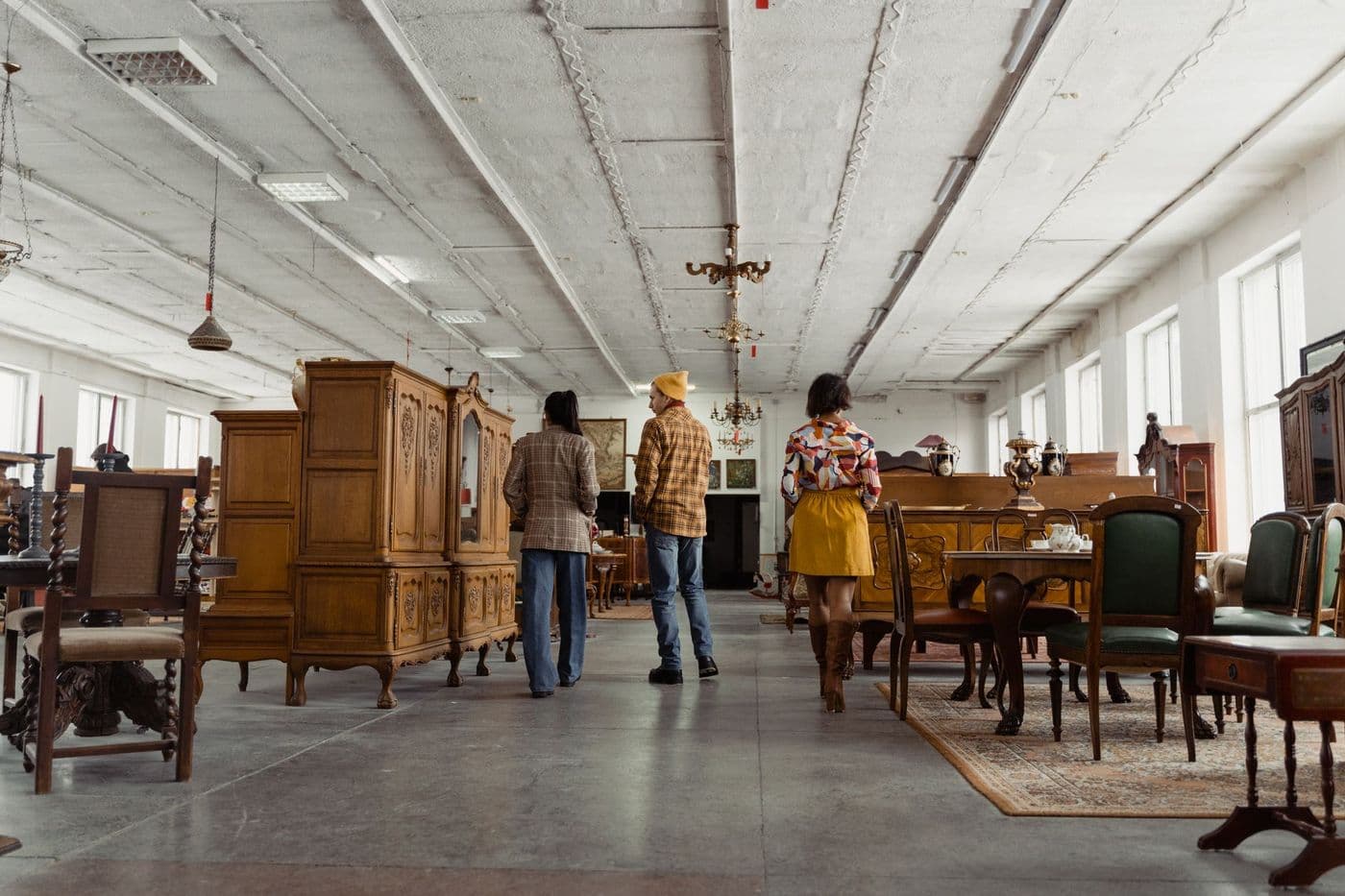
An antique is generally at least 100 years old. Vintage usually describes items roughly 20 to 99 years old that represent the style of their time. A reproduction is a later copy of an earlier design, and 'in the style of' means made to resemble a period without being from it. Terms are not legally standardised everywhere, so always ask the seller what they mean.
Shop labels and online listings use 'antique', 'vintage', 'retro' and 'period' almost interchangeably. They are not the same, and the difference can change the price you should pay and the questions you should ask.
This guide explains the usual meanings in the antiques trade, plus the terms that quietly signal a piece is not what it seems.
Antique
In the trade and in many customs and tax rules, 'antique' conventionally means at least 100 years old. It is a convention rather than a universal law, so definitions can vary between countries and organisations.
Antiques are expected to show signs of age consistent with their date: older construction methods, natural wear and materials appropriate to the period.
Vintage
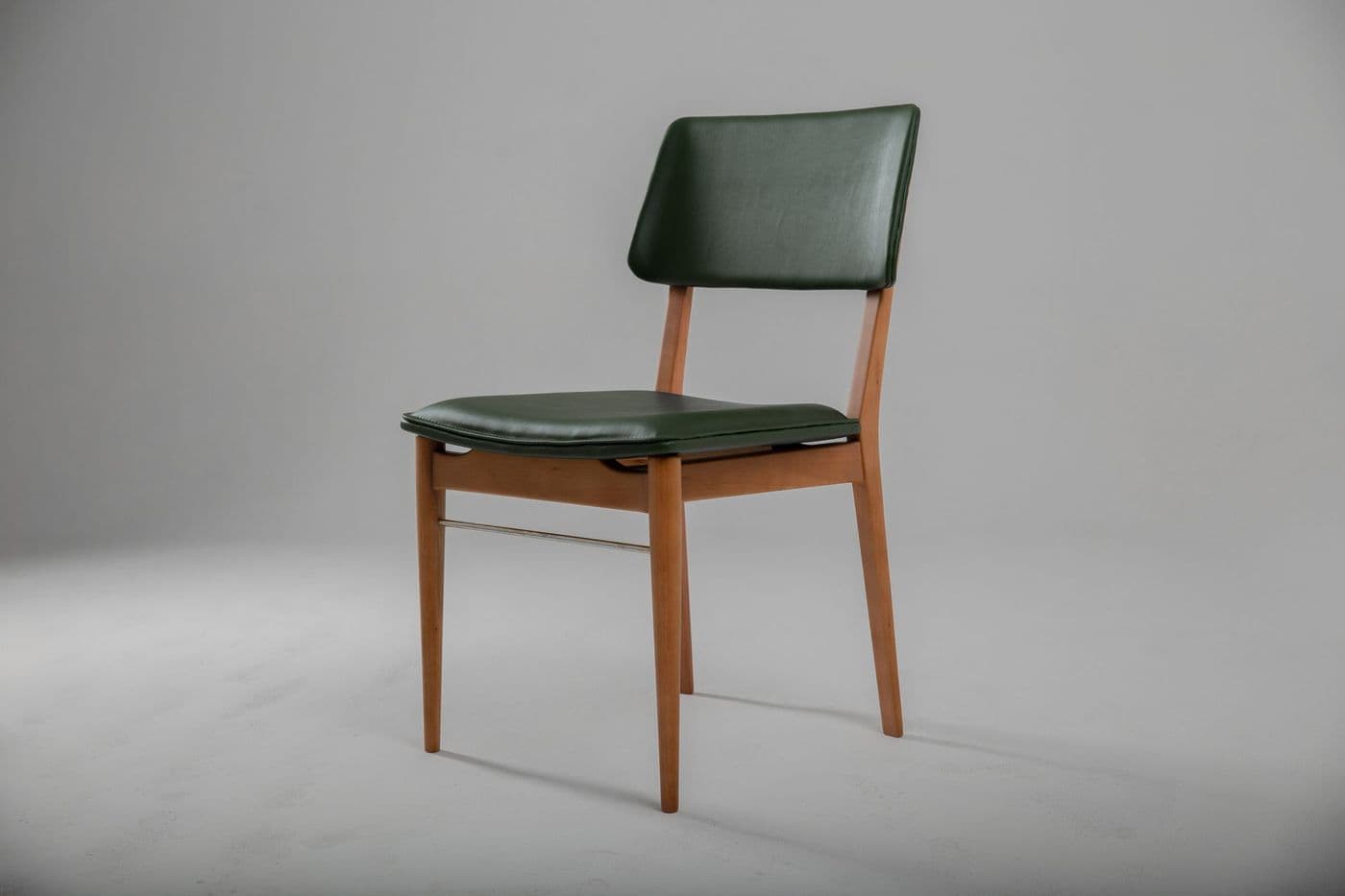
'Vintage' loosely covers items made some decades ago, commonly from about 20 years up to the 100-year mark, that reflect the style of their era. Mid-century modern furniture from the 1950s and 1960s is a typical example.
The word suggests quality or character, but it does not guarantee either. Vintage furniture can be beautifully made or mass-produced.
Retro and 'collectable'
'Retro' can mean an original item from a past decade or a modern piece styled to look old. 'Collectable' only says that someone might want it; it does not state age or value. Treat both as marketing terms and look for specifics: maker, date range, materials and condition.
Reproduction, copy and 'in the style of'
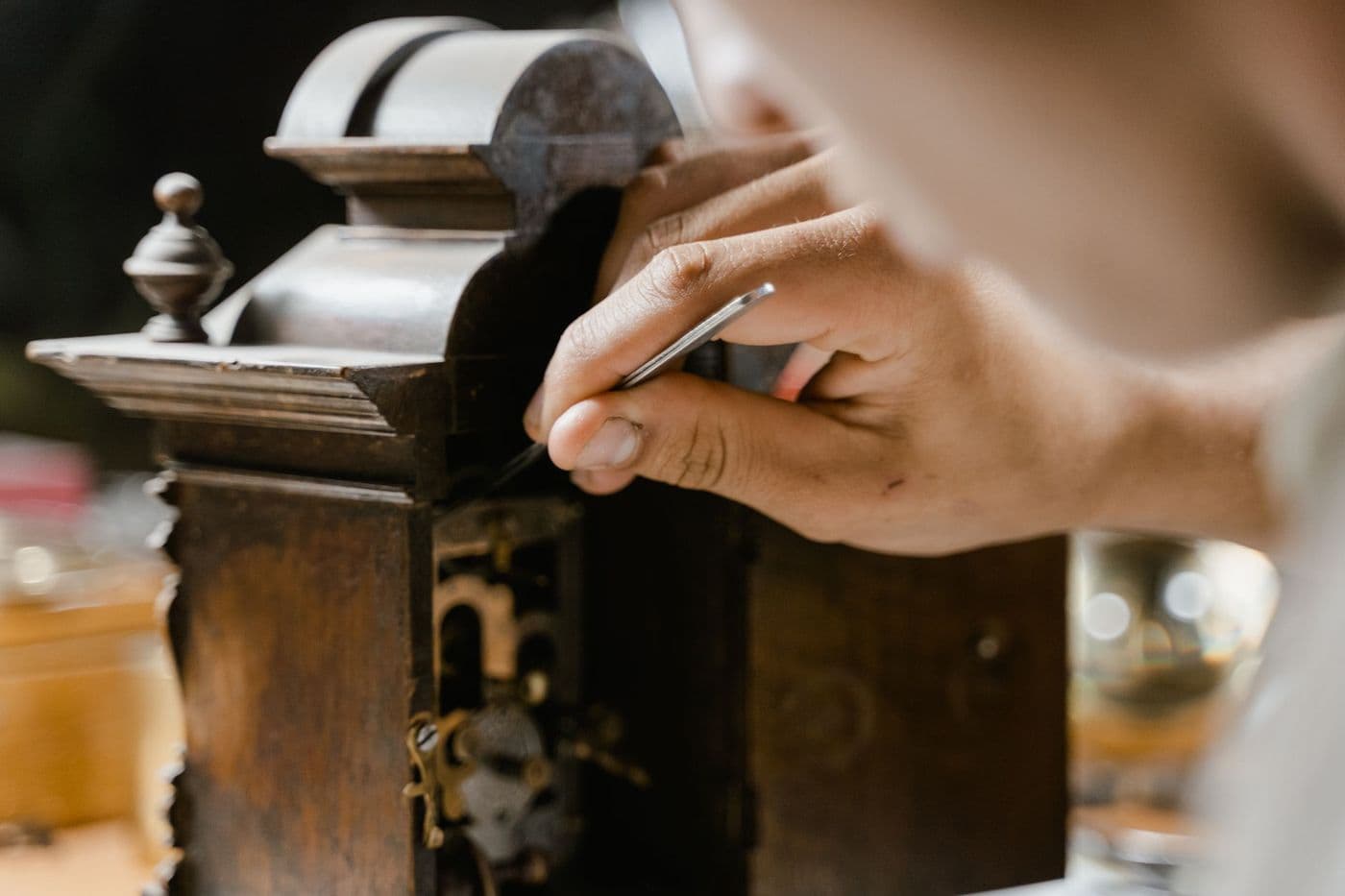
A reproduction is a later copy of an older design, made with the intention of resembling the original. Good reproductions can be handsome and useful, and some are collectable in their own right, particularly those from the Victorian and Edwardian eras that copied Georgian styles.
'In the style of' or 'period style' means the piece evokes an era but is not from it. These descriptions are honest, but they should be priced as decorative furniture, not as antiques.
Reproductions are also not all the same age. A Georgian-style table made in 1890 is a Victorian reproduction, and it may itself now qualify as an antique. That is why the useful question is not simply 'is it old?' but 'when was it actually made, and what was it made to imitate?'
Marriages, conversions and later alterations
Some terms describe pieces that are partly old but not entirely original.
- A 'marriage' joins parts from different pieces, such as a chest on a stand that did not originally belong together.
- A 'conversion' alters a piece for a new use, for example turning a chest into a cabinet or cutting down a table.
- 'Later decorated' means painted or carved decoration was added after the piece was first made.
- 'Restored' or 'repaired' means work has been done; ask what and by whom.
How to check what you are buying
Ask for a written description that states age, materials, repairs and any replaced parts. Examine the construction rather than the style, because the same design has often been produced for generations.
Inspect the underside and inside of the piece for consistent age, matching wear and tool marks appropriate to the period. Be wary when everything looks equally aged or when the finish looks suspiciously fresh.
Why the age threshold exists
The 100-year convention has practical roots. Many customs and import rules, and a number of dealers' associations, use it as a simple dividing line, because it is easy to apply and hard to dispute. It also roughly matches the point at which a piece has passed through several owners and shows a full range of natural ageing.
That does not make a 99-year-old chair meaningfully different from a 101-year-old one. Treat the threshold as a guide to how the item will be described and sold, and judge each piece on its quality, originality and condition.
Does the label affect price?
Generally yes, but not in a simple way. A genuine antique by a documented maker is a different purchase from a vintage factory piece or a modern reproduction, and prices vary accordingly. A well-made reproduction can still be worth buying if the price reflects what it is.
If you are paying a premium for age or provenance, ask about the evidence and consider independent advice from a specialist or valuer before buying.
Tip: Ask the seller one direct question: 'Is it all original, and has anything been replaced or repaired?' A reputable dealer will answer plainly and put it in writing.
Frequently asked questions
Is 50-year-old furniture antique?
Usually not by the 100-year convention. It would normally be called vintage, though people sometimes use looser definitions.
Are reproductions worthless?
No. Quality reproductions can be useful and attractive, and some have collector interest. The key is that they are priced as reproductions.
Do I need a certificate of authenticity?
A written description or invoice from a reputable dealer is useful. For high-value items, independent specialist opinion is more reliable than a certificate alone.
Can a piece be partly antique?
Yes. Many pieces have replaced feet, tops, handles or other parts. The more original the piece, the more collectors tend to value it.
Advertisement
General information only. Check product labels and manufacturer instructions before you start.
Keep reading

How to Tell if a Rug Is Hand-Knotted or Machine-Made
Check the back, fringe, pattern and knots to tell a hand-knotted rug from a machine-made one, and learn what age and wear clues really mean.
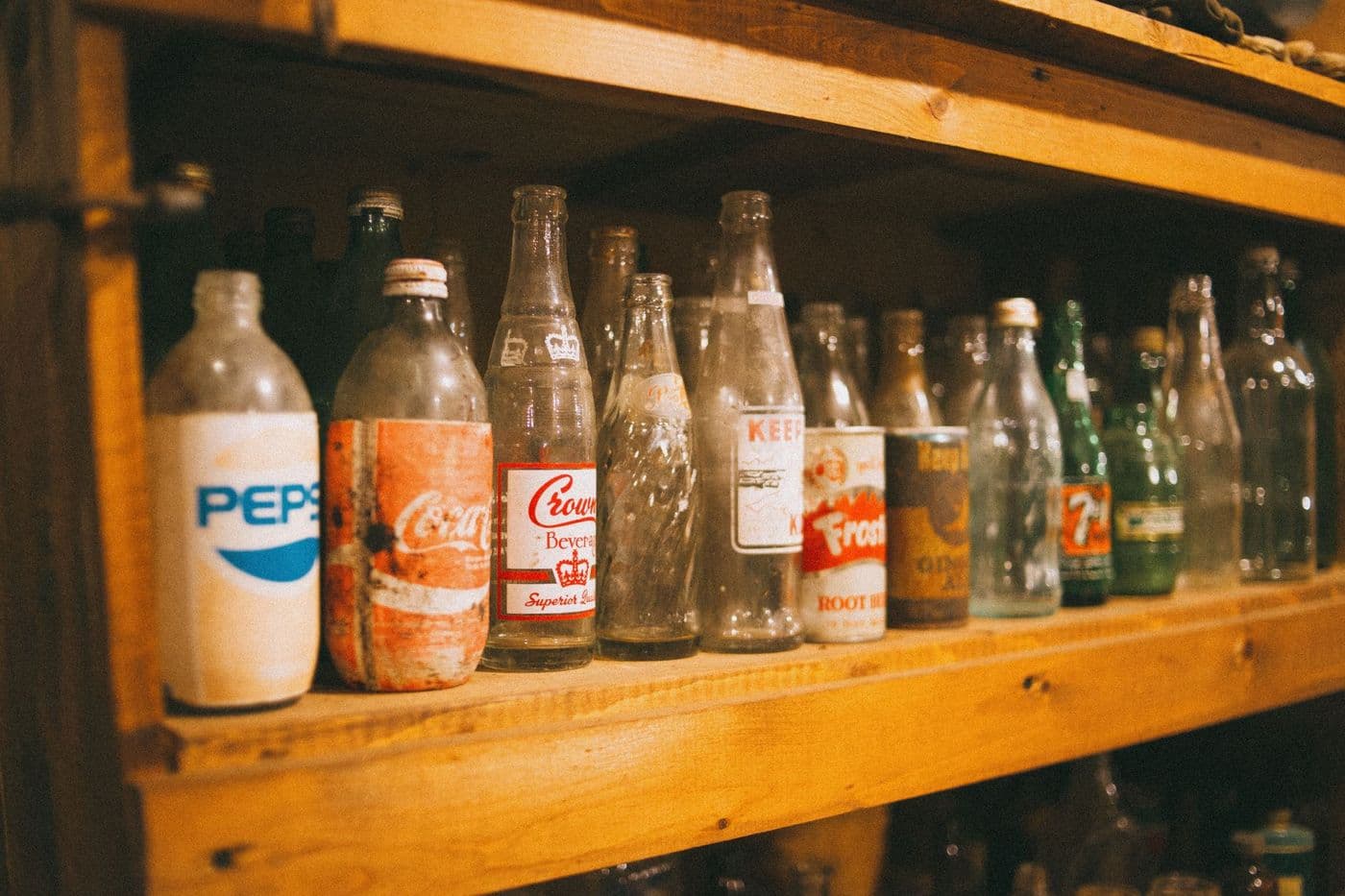
How to Tell Antique Glass from Modern Glass: Pontils, Seams and Clues
Use pontil marks, mould seams, wear and weight to tell antique glassware from modern copies, and learn why bubbles and a ring sound are unreliable.
How to Read Antique Silver Hallmarks: A Beginner's Guide
Learn what British silver hallmarks mean: standard mark, town mark, date letter and maker's mark, plus how to spot silver plate and when to ask an expert.